
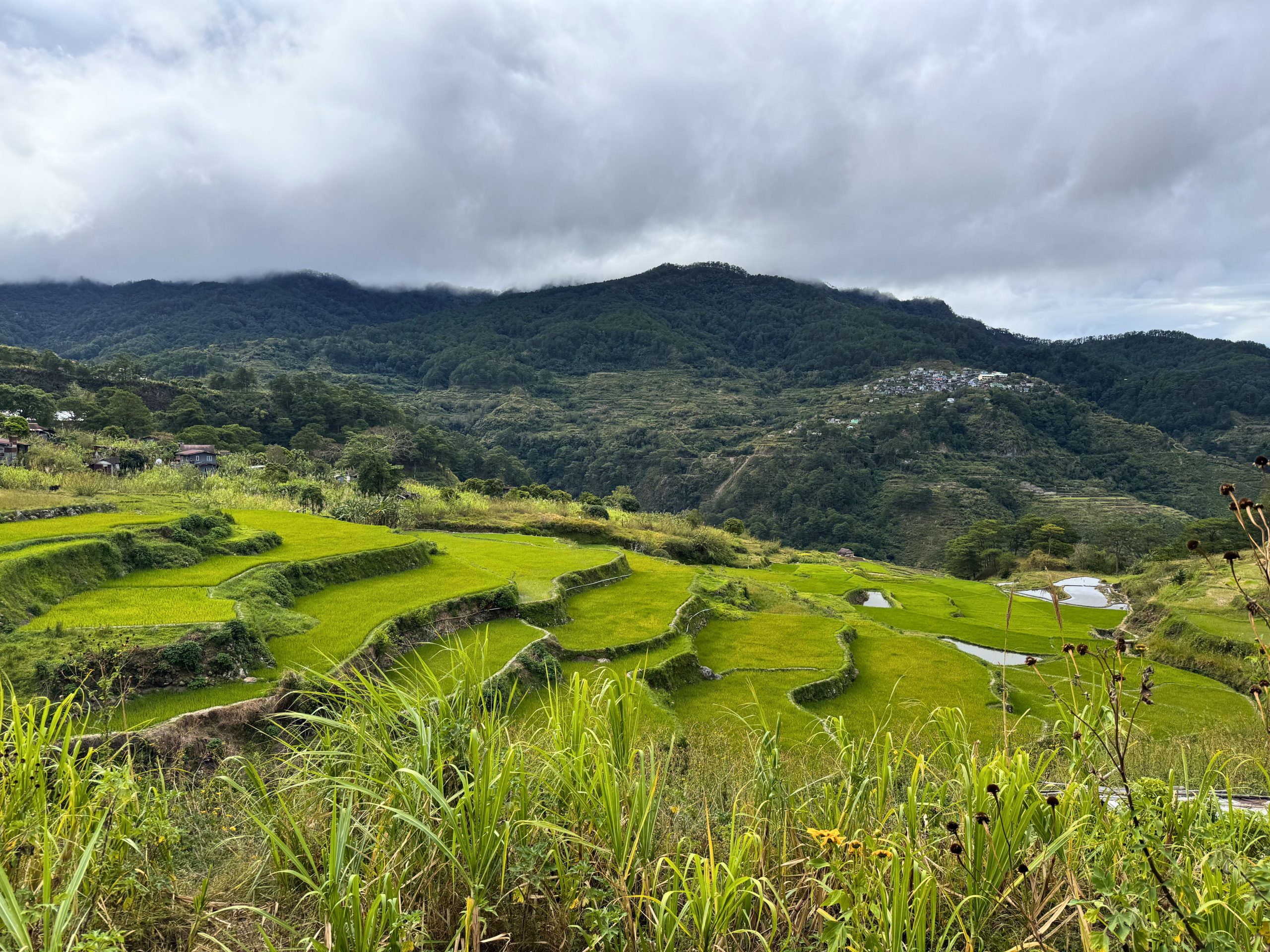

Up until the 1980s the Payew people of Mountain Province in the Philippines were largely self-sufficient in food, and even exported some of their surplus bananas and rice. They sourced all their farm inputs from within their ancestral domain and the few kadangyan, or people with more lands, imported labour from other communities.
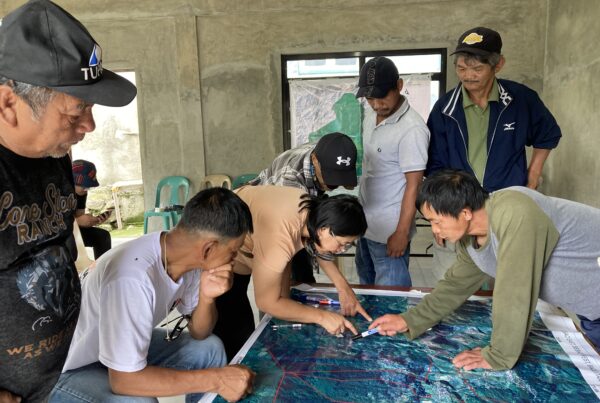
This was revealed when the Payew Indigenous Farmers’ Organization conducted their community research in 2022–2023 with the support of Partners for Indigenous Knowledge Philippines (PIKP).
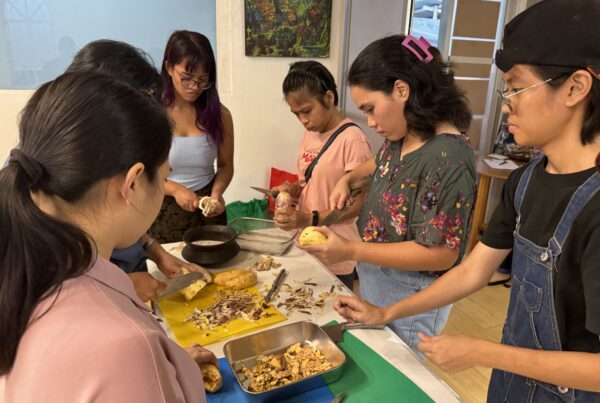
Data was gathered by four young mothers interviewing their elders.
At present, the Payew community imports all kinds of food, as well as animal feed and agro-chemicals.
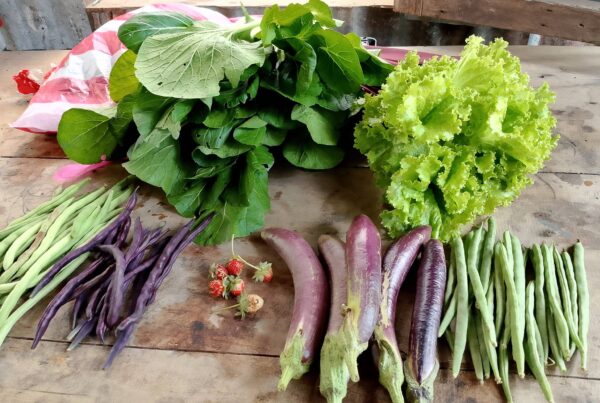
Their food comes from the cultivated farms:
- the baangan – farms within the residential areas
- the payew – irrigated rice farms
- the um-a – rotational agricultural lands.
All of these farms are also habitats, with high biodiversity in the rice lands which can host aquatic, semi-aquatic and non-aquatic plants and animals.

Terraced rice fields in Besao, Philippines. A cultural mountain landscape closely connected to nearby villages, providing local food close to where people live. Practices like green manuring help sustain soil fertility and production. Credit: PIKP.
Author
- Partners for Indigenous Knowledge Philippines (PIKP)
Ecosystems
Topics
Type
Year
Date
- This case study was published in July 2024 in the report The Philippine Indigenous Peoples Biodiversity Strategy and Action Plan (IPBSAP).
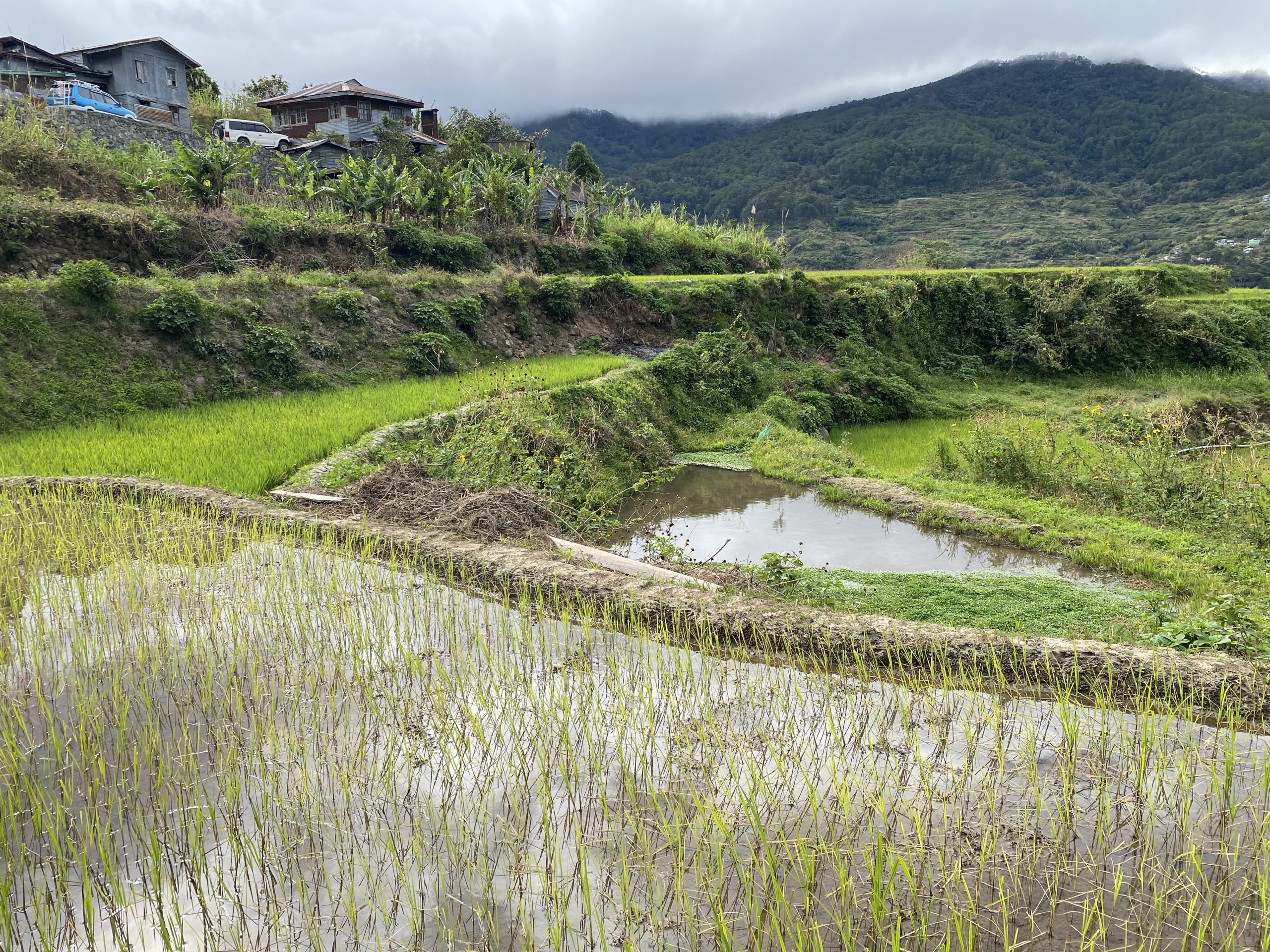
The payew or irrigated rice fields. Flooded rice paddies form a connected ecological system where water, nutrients, and aquatic life move between neighbouring fields, supporting both productivity and biodiversity. Credit: PIKP.
The community gathers supplementary food from the forests, in the batangan (pine forests) and in the pagpag (broad-leaved forests); and fishes, snails, crabs come from the ginawang (rivers).
Soil fertility is sustained through green manure – lubok in the baangan; suwat in the irrigated rice lands – whereby vegetation grown surrounding the farms is incorporated into the soil.
Composting is done in the pigpen. About half of the pen is devoted to pig manure where all biodegradable waste from the kitchen is deposited and added to cut vegetation from around the house, with sunflowers and ferns hauled from elsewhere. Every year, this compost pit is emptied into the baangan and rice lands. Soil organic matter is known to increase the quality and size of fruit, grains, nuts and vegetables, especially tuberous vegetables such as potato.
For the um-a, they let nature restore the soil fertility by letting the land rest for several years before re-cultivation. Or they let it restore itself and be part of the forest again.
Embedded in the traditional food system are the values and practices of sharing knowledge, seeds and harvests; and caring for the soil, forest and rivers.
Due to various factors, external and internal, these indigenous practices have weakened, especially with the promotion and eventual widespread adoption of modern agriculture, characterised by monocropping and the use of synthetic fertilisers and petrochemical pesticides. This has created dependency, dietary change, and may have contributed to the emergence of illnesses not known by the elders of the community.
The Payew Indigenous Farmers’ Organization has resolved to revive their indigenous food production system, and customary protection of the different parts of their territory. Their first step has been to revive and strengthen the suwat and lubok. They have implemented innovations in the production of bio-fertilisers to feed the living soil and restore its fertility.
And they have committed to establishing learning sites for their members and for the whole of Besao Municipality to revitalise and develop their indigenous food systems.