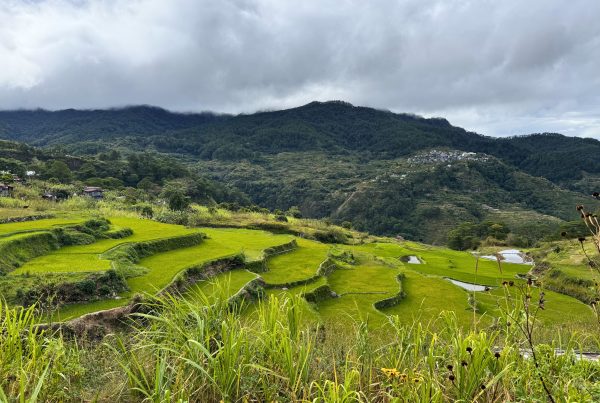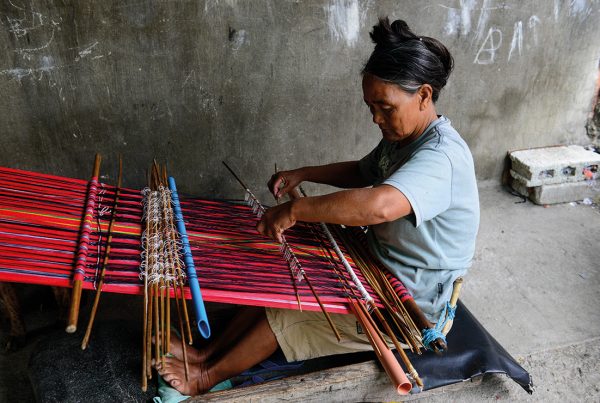

For the Cordillera Indigenous Peoples, food is the everyday expression of their deep relationship with the land, which is the source of food and life. There is a great variety of ingredients in their traditional diet, which demonstrates not only the community’s skill in foraging wild foods, but also their physical strength and perseverance in working the land to produce food. Indigenous knowledge and practices on sustainable food production, preparation and cooking, ecological agriculture, forest and watershed management, nutrition and health have contributed much to the wellbeing of the community, ensuring the food security and survival of Indigenous communities for generations. They are important components of the world’s biodiversity and cultural diversity, and provide a foundation for locally appropriate sustainable development.
However, changing values brought on by modernisation cause youths to shun Indigenous knowledge. Many youths are no longer interested in learning from their elders. Some elders themselves are reluctant to pass on their knowledge, preferring that the youth seek a formal education and a degree to be able to find work to support their families. Outmigration due to poverty in rural areas and rapid urbanisation in cities endanger the continued practice and transmission of Indigenous knowledge. Lack of land security, impoverishment and denial of basic services in the countryside further encourage migration to cities.
It is thus important to protect Indigenous knowledge from these threats and to strengthen and promote it for the continued survival and food security of Indigenous Peoples. Partners for Indigenous Knowledge Philippines (PIKP) saw the need to document and revitalise such Indigenous cuisine, recipes and organic and seasonal produce, accompanied by stories that explain their importance for Indigenous Peoples and wider society. These food systems, rich in local and culturally significant crops, encourage healthier diets, boost local economies, and protect both cultural heritage and biodiversity.
Documenting and sharing heirloom recipes
This knowledge, traditionally passed down through oral tradition and which has benefitted Cordillera Indigenous communities for generations, needs to be transmitted and promoted, with a focus on educating Indigenous youth to ensure this knowledge is preserved. It is important for us to document these simple recipes, to continue to cook delicious and healthy food using natural ingredients, and to transmit this knowledge of our Indigenous food cultures. In this way, we can spotlight the crucial role of Indigenous food systems in achieving food security, improving nutrition, and conserving biodiversity, for the health and wellbeing of future generations.
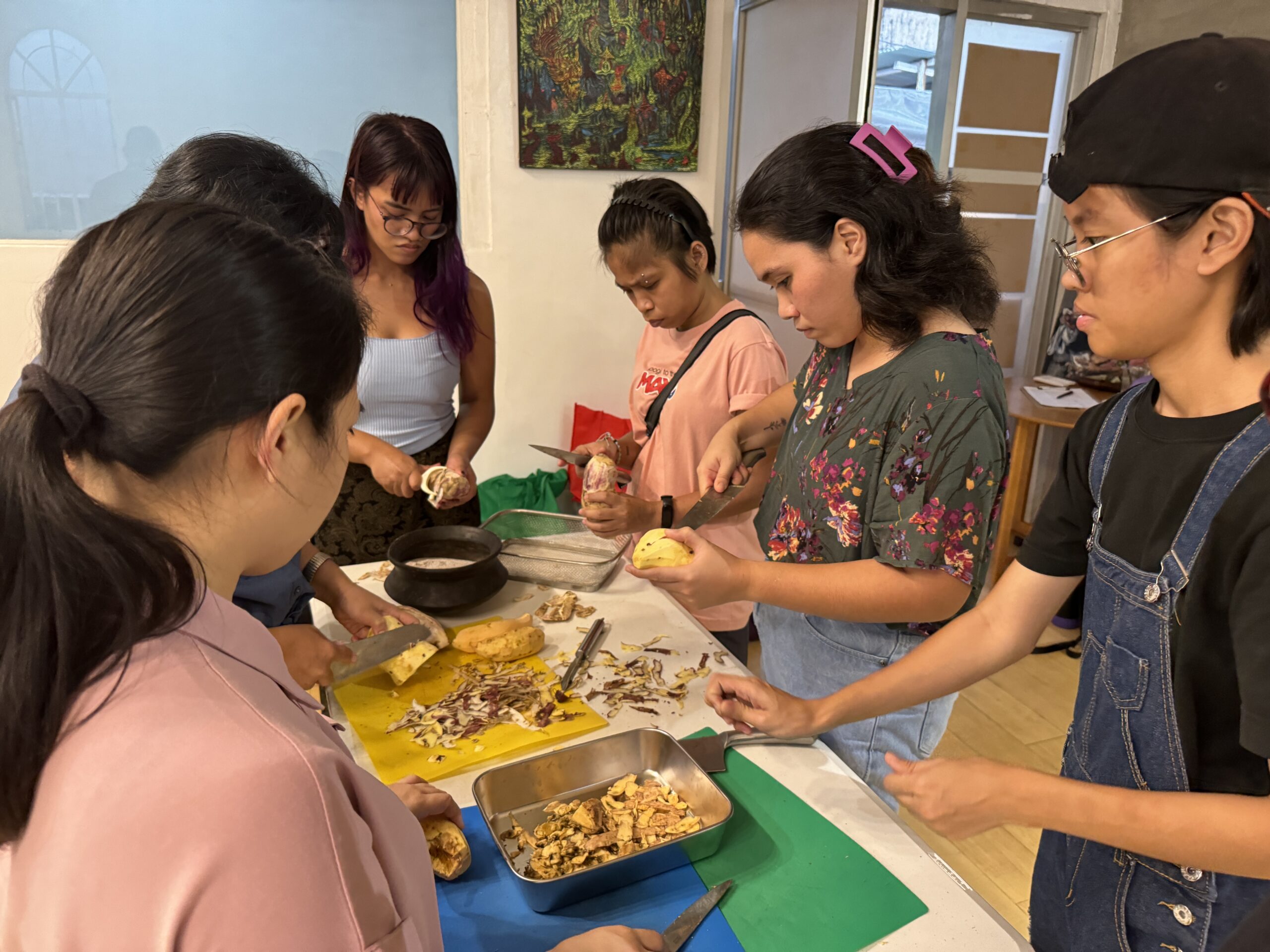
We documented these recipes through collaborations with Indigenous elders, women, youth, learning institutions, educators and people’s organisations. Among the activities conducted were community food workshops, where knowledge holders were invited to tell stories of their traditional food and recipes. Through this, we gathered information on traditional foods in Baguio City as well as the provinces of Benguet, Abra, Mountain Province, Ifugao, Kalinga and Apayao in the Cordillera region.
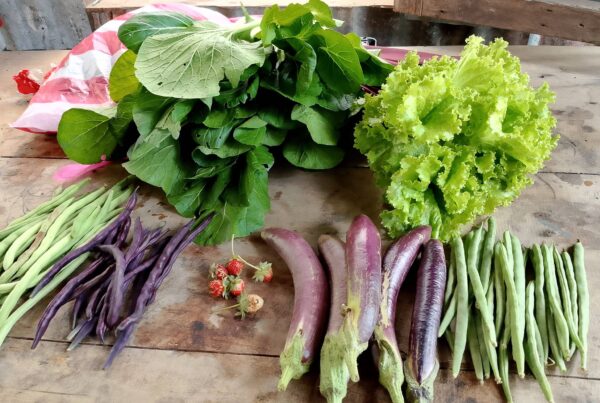
In the planning of the community cooking workshops, we informed the knowledge holders we wanted to document their recipes into a cookbook, and they decided themselves which recipes they wanted to showcase. They cooked us traditional recipes common in daily life, recipes with medicinal properties, and recipes important to community rituals. One recipe is Binungor from the Kalinga province. The ingredients are bamboo shoots from the forest, edible snails and shrimps from the creeks, chilli from the home garden, and any available edible foods that grow wild or are cultivated, such as squash, beans, and mushrooms. It can be as simple as three basic ingredients (bamboo shoots, snails, chilli) or as elaborate as the available ingredients allow. Another recipe is Demshang from the Ibaloy people of Baguio City, which is simply roasted pork but is only cooked and served during a ritual feast when a pig is butchered.
The documented recipes were published into two books: Heirloom Recipes of the Cordillera in 2019 and Dalikan: Heirloom Recipes of the Cordillera Volume 2 in 2023, which were widely distributed to Indigenous communities, public and private schools, city and school libraries, bookstores, offices and organisations. We also held cooking demonstrations of the recipes during the book launches and at various other events such as the Tawid Indigenous Knowledge Learning Festival, co-hosted by PIKP and Benguet State University, which exhibited different initiatives in promoting Indigenous knowledge in schools and communities. On some occasions, youth from the communities joined the food workshops and even demonstrated the recipes themselves.
We collaborated with elementary and high schools to hold lively discussions with students about Cordillera Indigenous food systems and its related values. One thing that surprised them about Indigenous Cordillera recipes is the variety of vegetables and wild food present in local recipes and how much they can differ from province to province, even across different villages in the same province. One notable reflection we got from a group of youth was how they realised that with Indigenous food – from coming together for planting, to harvesting and eating – each part of the process has a story that comes with it.
Jillie Basan, an Isnag from Kabugao, Apayao who participated in the community food workshop, shared her insight on documenting these heirloom recipes:
“Passing down Indigenous recipes grounds young people in who they are, where they come from, and the knowledge of their ancestors. In contexts where communities are uprooted from their ancestral territories and Indigenous knowledge is neither properly transmitted nor documented, the threat of cultural erasure becomes very real. By keeping these food traditions alive, Indigenous youth strengthen their identity, reclaim their narratives, and carry forward the resilience of their communities.”
Jillie Basan
Cordillera food traditions have valuable lessons for contemporary times, when people have become increasingly disconnected from the source of their food. They teach us the values of caring for the land by using only what we need and not wasting food, so everyone has their share and so that resources remain for future generations. They teach mindfulness in the practice of gathering and preparing the food while holding a deep respect for the unseen spirits who guide us in our daily lives. Serving food to the family and the community solidifies the deep connection between Indigenous knowledge, culture and community, which is now documented in recipe books on display around the region.
Indigenous food traditions and knowledge promote creativity and resourcefulness in working with what the land provides and developing a deeper understanding and respect of the rich biodiversity within our communities.