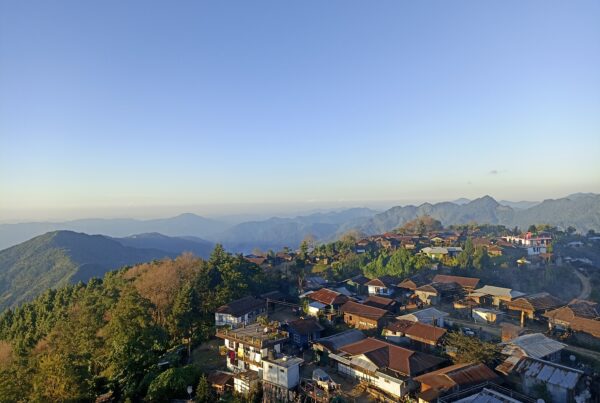

The Indian Sundarban, a UNESCO-recognised deltaic ecosystem, is facing escalating climate threats due to sea-level rise, salinity intrusion (up to 9 mS/cm during dry seasons), and recurrent cyclones that damage farmland and livelihoods. Against this backdrop, the Progyan Foundation for Research and Innovation (PFRI), in partnership with local communities, initiated a pioneering programme in 2021 to restore and conserve indigenous rice landraces; traditional, local rice varieties that are naturally adapted to such harsh deltaic conditions.
Through participatory on-farm trials in Tipligheri and Santigachi of the Gosaba block, 54 traditional rice landraces were assessed for climate adaptability, yield stability, and economic performance. Nineteen salt-tolerant types, including Ramchandrabhog, Narasingho, Pathua, and Khejurchari, proved most resilient, achieving Climate Tolerance Index (CTI) values above 0.42 and Benefit-Cost Ratios over 2.0 under rainfed natural cultivation. These rice landraces surpassed commercial hybrids during saline stress, aided by stronger root systems and natural osmotic regulation mechanisms, reaffirming their value for sustainable agriculture in fragile deltas.
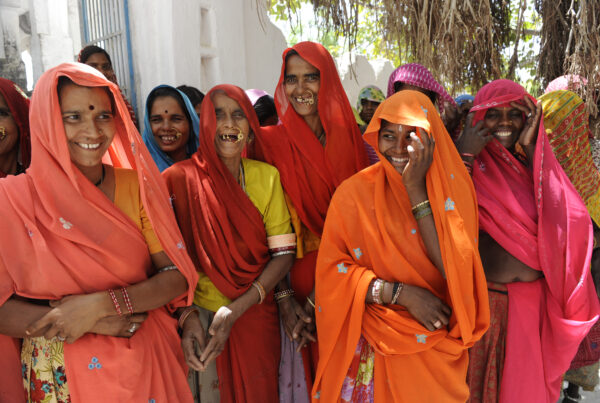
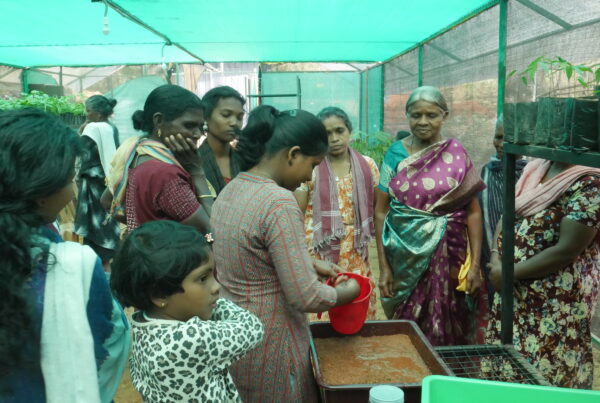
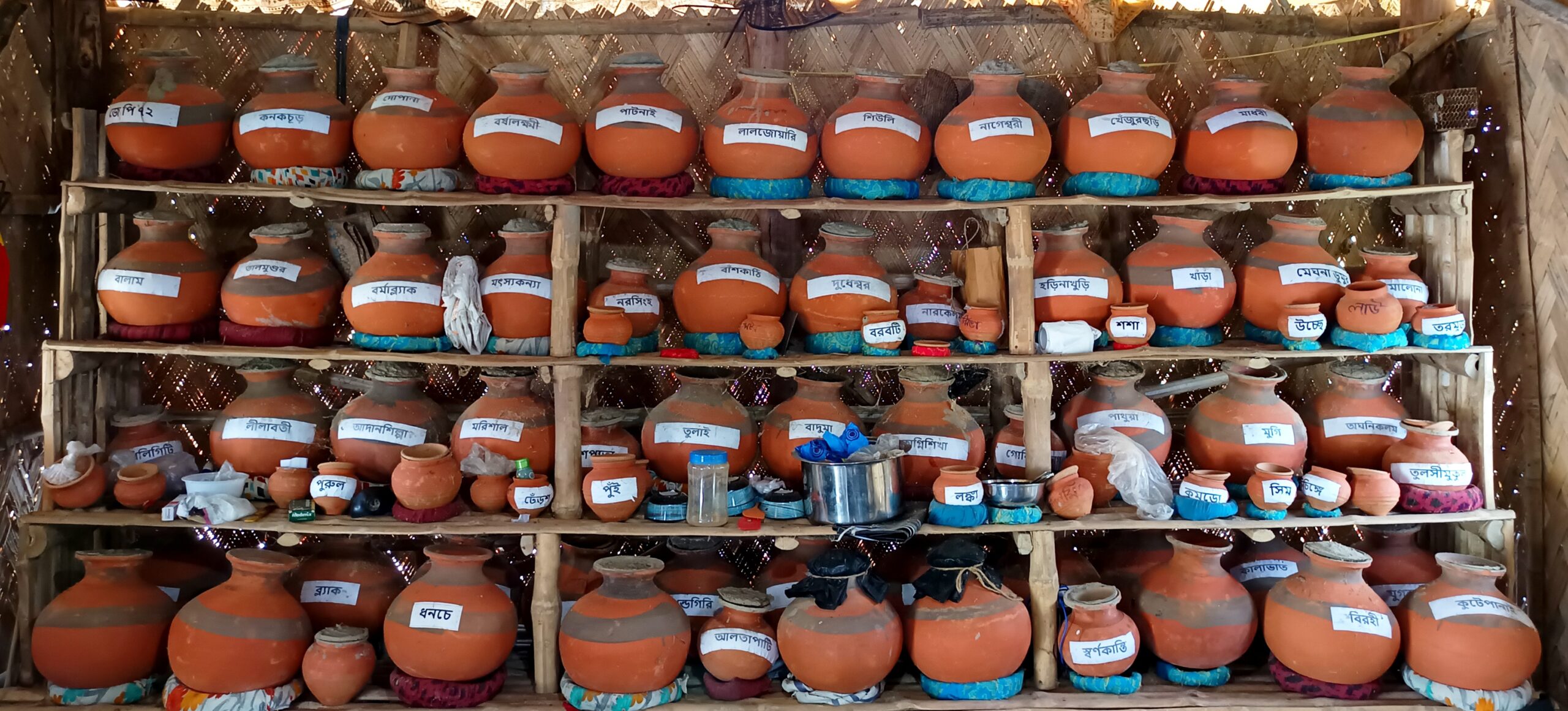
To preserve this genetic wealth, the PFRI established a Community Seed Bank under its Center for Community Resilience, Adaptation, and Climate Knowledge (CRACK) facility on Satjelia Island. This seed bank adopts a reciprocal “2-for-1 return” model – farmers receiving 1 kg of seed return 2 kg after harvest – ensuring continuous seed renewal and traceability via community seed cards and Free, Prior and Informed Consent (FPIC)-based systems. Participation in the programme rose from 5% in 2021 to over 27% by 2024, covering more than 42 acres of cropland. Women-led groups now spearhead seed drying, labelling, and germination testing, blending traditional ecological knowledge with scientific validation by PFRI’s research laboratory. Some examples of traditional knowledge are as follows:
- Nursery bed management: although high-yielding varieties need 20-25 days in the nursery bed, farmers in the Indian Sundarban maintain rice landrace nurseries for 30-40 days, which aids in better osmotic stress tolerance
- Field management: if a standing rice field begins to emit a “fishy” odor (probably due to methane build-up or specific pests), farmers grind and spread neem fruits across the field to remove the smell
- Rice seed conservation: rice seeds are conserved using two methods. In the first method, the seeds are stored in jute bags placed on a base made of rice straw. Then, layers of straw and bags are added and tied from the sides to create a structurally stable and insulated environment. In the second method, the seeds are placed in clay vessels, and dried neem leaves are added as a source of organic pest repellent. A candle is lit inside the vessel, then topped with a clay lid, and covered with mud; the burning process burns out the remaining oxygen, thus helping eliminate stored grain-feeding insects
- Stored grain management: sealed plastic barrels are used for stocking rice grains instead of porous jute bags. Farmers sun-dry neem leaves until they are brittle and then add them to the barrels before sealing
- Functional diversity: the community uses specific rice landraces for their unique properties, such as Gheus, which is valued for making superior puffed rice and is believed to have a high iron content. Kalabhat and Burma black are conserved for their perceived benefits in managing diabetes.
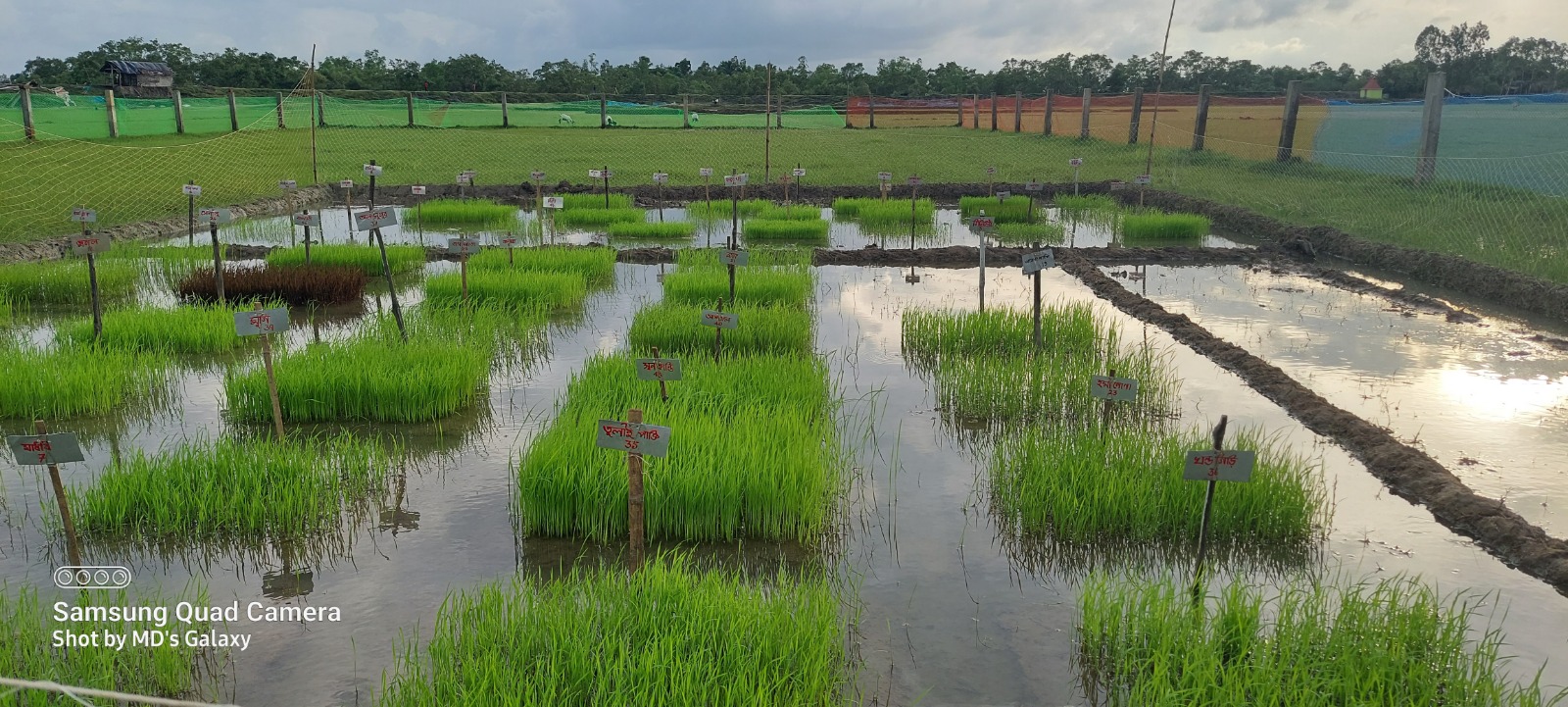
Caption: Experimental indigenous rice field at Santigachi, Indian Sundarban. Credit: Dr Bhaskar Deb Bhattacharya
The current initiative not only revived ancestral cultivation wisdom but also generated micro-entrepreneurial opportunities through value-added aromatic rice marketing, particularly Gobindobhog and Kanakchur.
“The yield might be lower in landraces than high-yielding varieties, but as input costs are lower and the selling price is higher, the landraces are also highly profitable.”
A local woman farmer and community member
To scale these community-led successes, it is recommended that future support should focus on comprehensive seed village programmes to increase the availability of quality seed. In addition, value chain creation through the establishment of decentralised, government-subsidised processing units and stronger market linkages will help these rice landraces reach their full economic potential.
By integrating traditional germplasm conservation with modern agroecological methods, this programme reinforces food security, biodiversity, and resilience in the region. Its outcomes align directly with Targets 10 and 13 of the Kunming-Montreal Global Biodiversity Framework, safeguarding genetic diversity, ensuring equitable benefit-sharing, and enhancing participatory governance. The PFRI model represents a replicable example of climate-smart, community-driven agriculture across South Asia’s vulnerable coastal deltas.
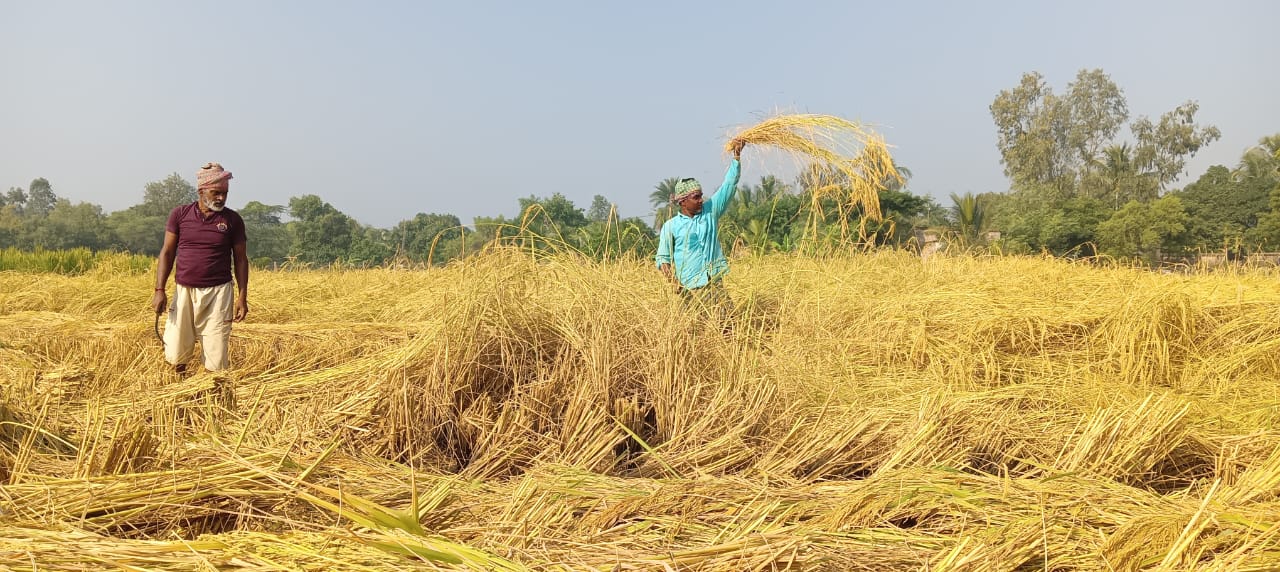
Caption: Paddy harvesting by local communities at Santigachi, Indian Sundarban. Credit: Dr. Bhaskar Deb Bhattacharya