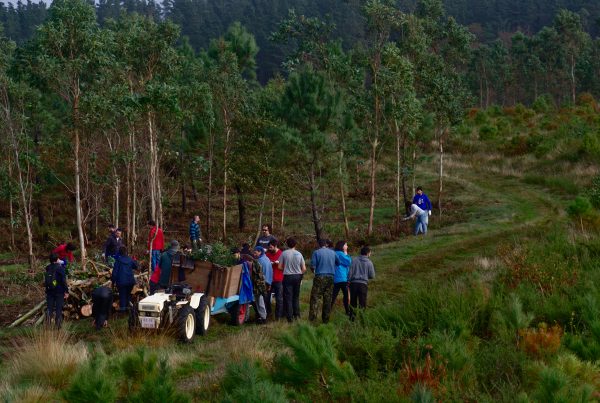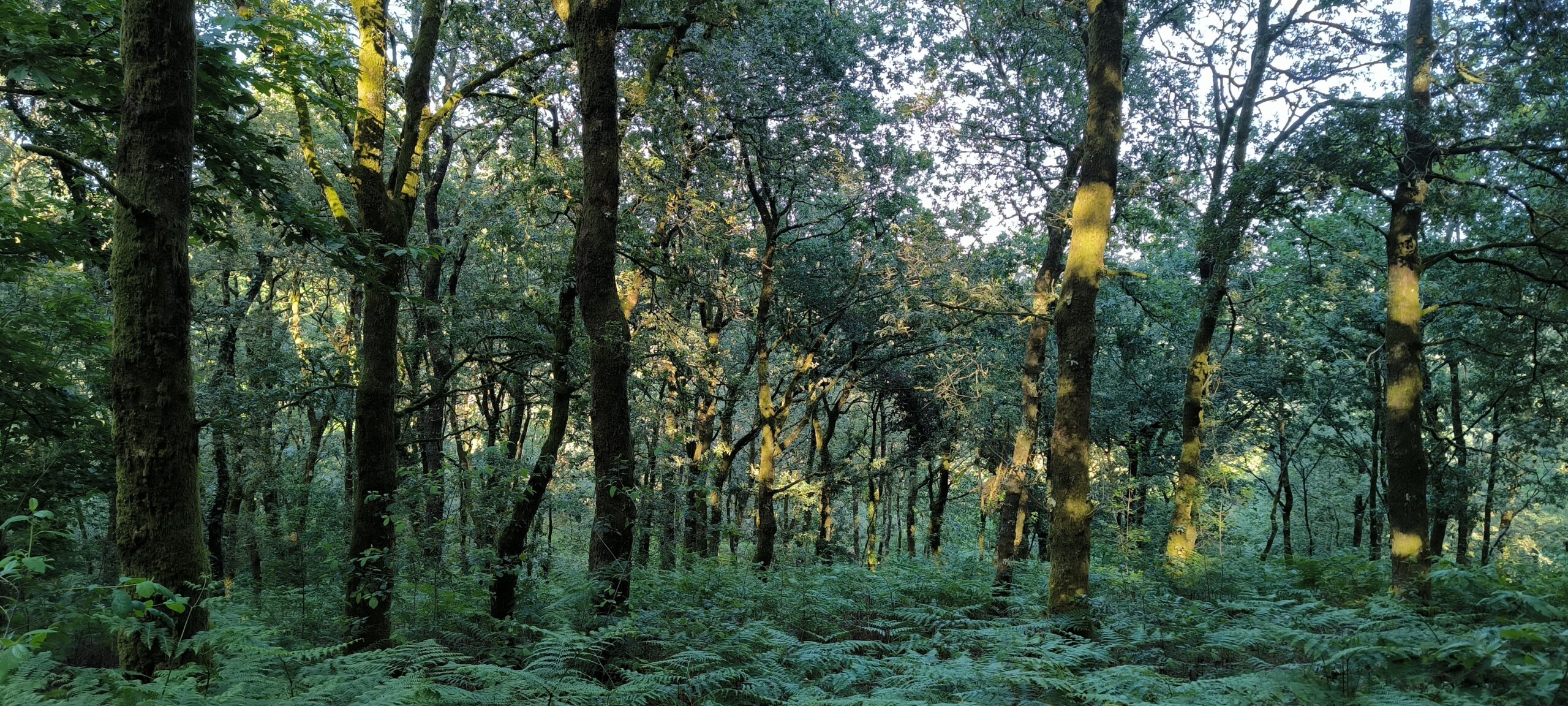

Galicia, in north-western Spain, is home to one of Europe’s largest systems of collectively governed lands. Around 700,000 hectares – approximately 22% of the territory of Galicia – are managed as community lands by local comuneiras (commoners) through institutions known as Montes Veciñais en Man Común (community-governed commons) and analogous forms of collective tenure. These lands are managed by approximately 115,000 commoner households and include a significant share of the region’s remaining biodiversity, traditional cultural landscapes, and European Union priority habitats.
Despite their importance, community-governed lands have long remained largely invisible within conventional conservation policies. Historically, biodiversity conservation in Europe has been dominated by state-led protected area approaches, while local communities were often perceived as threats to nature rather than as custodians of it. Yet many of Galicia’s most valuable ecosystems have survived precisely because of long-standing community management systems, local ecological knowledge, and collective governance institutions.
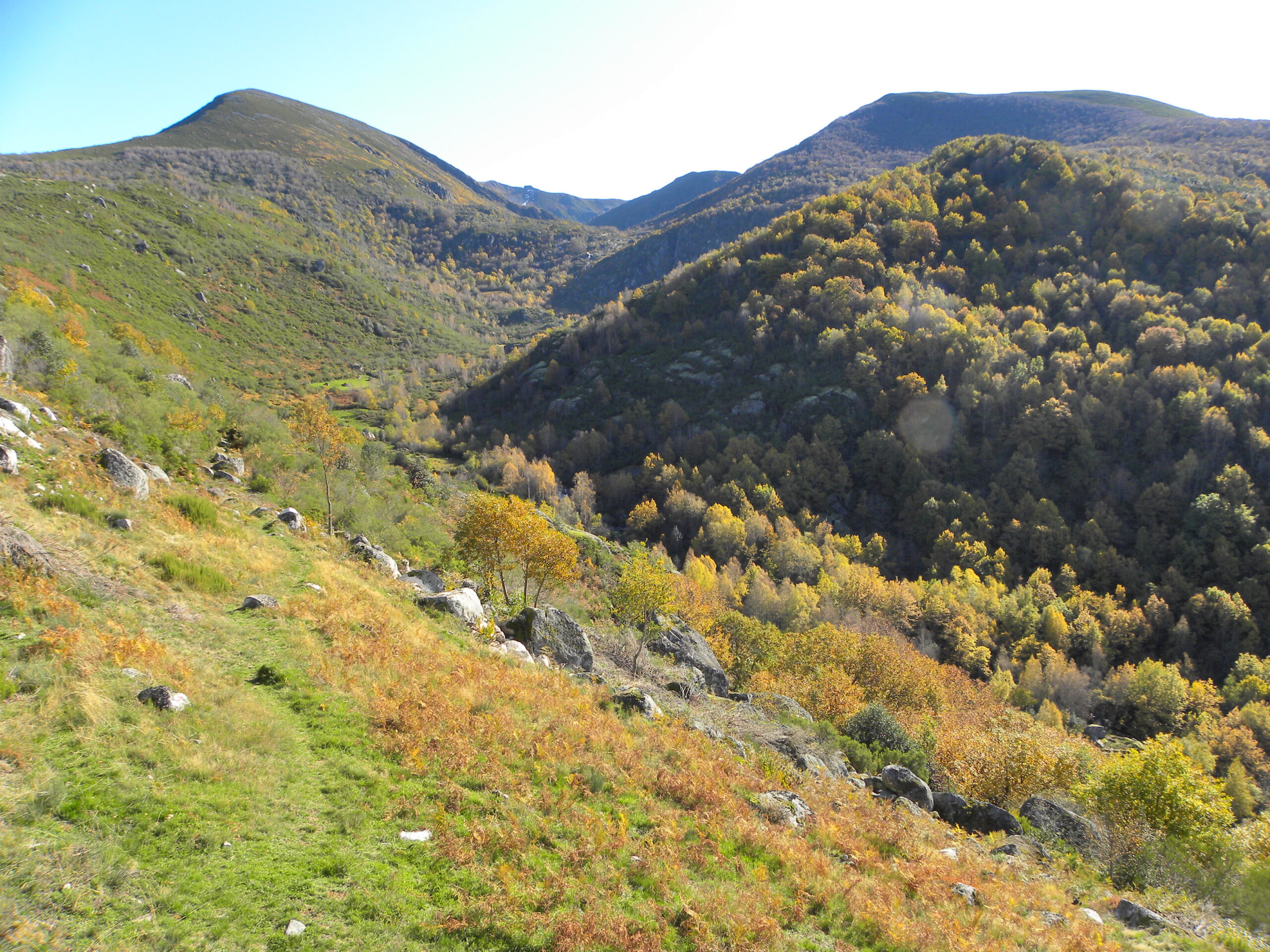
Caption: Piornedo glacial valley. Credit: Montescola
A Network to connect Community Conserved Areas
The Galician Network of Community Conserved Areas was created to strengthen, connect, and give visibility to those communities that actively manage their territories in ways that contribute to biodiversity conservation and ecological restoration. Established formally in 2024, the Network emerged from an informal working group launched in 2018 to facilitate exchange among communities with an interest in conservation-oriented land management. Today, it represents one of the first regional platforms in Europe dedicated specifically to community-conserved areas and Territories of Life.
The Network brings together local communities managing collective lands, operating as an informal platform focused on mutual learning, exchange of experiences, discussion of common challenges, and collaborative problem-solving. By doing so, the Network provides a space where communities can learn from one another and develop their own approaches to conservation and restoration.
The Network currently includes 100 member communities managing over 40,000 hectares of collectively governed land. These territories encompass a wide variety of ecosystems, including Atlantic temperate rainforests, wetlands, peatlands, heathlands, mountain pastures, chestnut woodlands, and coastal habitats.
The emergence of the network reflects a broader transformation in how many communities understand their relationship with the land. During the twentieth century, large areas of community lands in Galicia were converted to industrial forestry plantations during periods of state control and dispossession. While forestry continues to play an important economic role, many communities are now seeking management models that simultaneously improve ecological integrity, reduce wildfire risk, strengthen local livelihoods, and restore cultural connections with the landscape.
Across Galicia, community conservation initiatives include the restoration of native forests, removal of invasive alien species, recovery of wetlands and peatlands, preservation and reintroduction of herds of bestas (wild horses), conservation of old-growth chestnut groves, protection of archaeological and cultural heritage sites, and creation of mosaic landscapes that reduce the risk of catastrophic wildfires. These initiatives often combine traditional ecological knowledge with contemporary scientific and technical expertise.
Sharing knowledge across communities
The Network’s most important activity is its programme of peer-to-peer exchange visits. These visits allow community representatives to meet directly on the ground, observe management practices, discuss challenges, and develop relationships of mutual support. Hosted by member communities, the visits include conversational on-site field visits, convivial meals, and facilitated discussions on topics ranging from ecological restoration and grazing or wildfire prevention to governance, financing, and community participation. Over a dozen communities have already hosted exchanges that regularly take place throughout the year.
The exchange visits have become a central mechanism for social learning and innovation. Communities are able to see practical examples of successful (or unsuccessful) interventions, adapt ideas to their own circumstances, and build confidence in pursuing new approaches. Most importantly, visits serve to break the frequent isolation of communities and commoners, empowering change and collaboration. The Network explicitly encourages the participation of women and younger generations, recognising their importance for community governance and conservation.
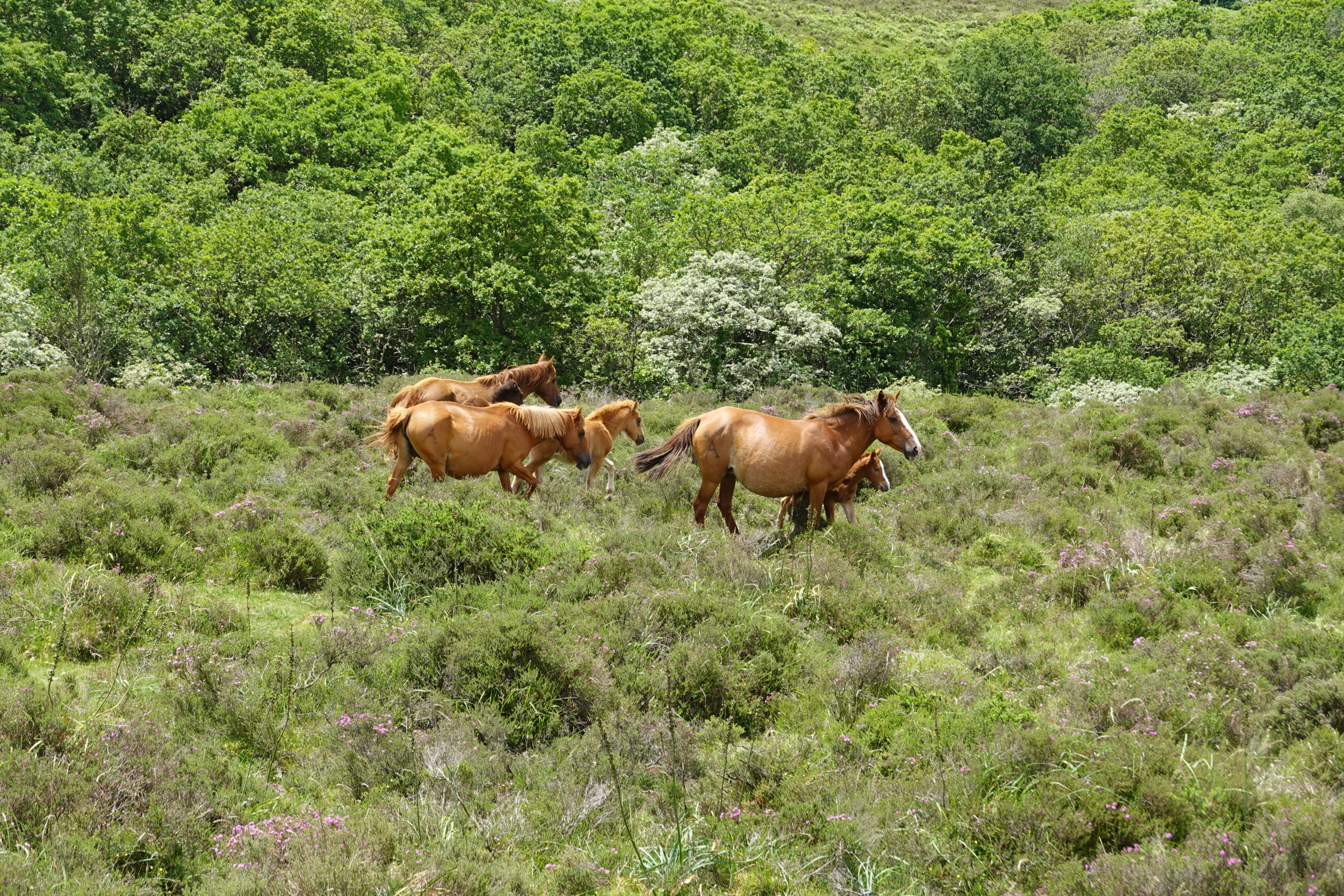
Caption: Free-roaming horses in the Miñotos commons. Credit: Laura Lagos
A growing global movement of community conservation networks
A major milestone was the publication of the Atlas de áreas conservadas por comunidades locais (Atlas of Community Conserved Areas) the first attempt to systematically document the diversity of community conservation initiatives across the region. The Atlas presents more than thirty case studies and highlights a wide range of best practices developed by local communities. Importantly, the publication was produced collaboratively with community members themselves, who selected the practices to be documented, contributed to writing and reviewing texts, provided photographs, and validated maps and information. This participatory approach reflects the principle that communities should not simply be subjects of conservation documentation but active producers of knowledge.
The Network also contributes to growing international recognition of Indigenous Peoples’ and Community Conserved Areas (ICCAs), also known as Territories of Life. The Convention on Biological Diversity has repeatedly recognised the importance of Indigenous Peoples and local communities in conserving biodiversity, including through Decision XI/24, which calls upon governments to recognise and support community conservation approaches. Several Galician community lands have already been recognised internationally through inclusion in the ICCA Registry maintained by the United Nations Environment Programme World Conservation Monitoring Centre (UNEP-WCMC) and are also part of the Network.
The Galician experience forms part of a growing global movement of community conservation networks. Similar initiatives include the Alliance Nationale d’Appui et de Promotion des Aires et Territoires du Patrimoine Autochtone et Communautaire (ANAPAC) in the Democratic Republic of Congo, the Red TICCA Territorios de Vida in Argentina, the ICCA Network Nepal, and Bukluran in the Philippines. While these networks operate in very different social and ecological contexts, they share common objectives: strengthening community governance, facilitating mutual learning, securing recognition of community-conserved territories, and ensuring that local communities play a central role in biodiversity conservation.
The Galician Network demonstrates that community conservation can also thrive in densely inhabited and highly modified European landscapes where collective governance institutions remain active. The experience highlights how biodiversity conservation, ecosystem restoration, climate adaptation, cultural heritage protection, and rural revitalisation can be strengthened when local communities are recognised not merely as stakeholders but as rights-holders, knowledge-holders, and long-term custodians of territory. Supporting community governance, facilitating peer-to-peer learning, and creating appropriate legal and financial mechanisms for community conservation are essential elements of achieving global biodiversity goals.