
The world is full of challenges, as well as solutions. Locally led initiatives on the ground are labs that demonstrate how it is possible to address waste, food insecurity and the impacts of climate change with innovative circular systems that incorporate waste management, renewable energy and resilience. On the island of Antigua, this is not an aspiration – it is an evidence-based solution. The Five Islands Organic Egg Farm is a youth-led initiative that evolved out of need, responding to global challenges and showing an example of what is possible. The following case study presents the ongoing project that illustrates a people-centred approach to food security that helps achieve global goals.
The island of Antigua faces the same challenges as many small islands: limited and finite resources, increased vulnerability to climate-induced impacts such as increased storms, disasters, and food security. In fact, Antigua and Barbuda have recently been ranked as the fourth most vulnerable countries to the impacts of climate change worldwide.
Despite these monumental challenges, the island is also home to a spirit of resilience. Among the local communities is a shared sense of responsibility and effort to work together to face challenges and produce solutions.
The Five Islands Organic Egg Farm
Youths Samantha Thompson and Henson (Spoon) Joseph grew up in the Five Islands community, studied agricutlure and business in school and their families were involved in rearing pigs and selling the animals to the hotels in the area. They were determined to create a business opportunity around food security and were eager to get their ideas funded, constantly inquiring about funding opportunities.
They eventually had success with the GEF Small Grants Programme.
In 2017, they built a facility for organically fed pigs. The COVID pandemic put development on hold and after much consultation and community discussions, they decided to move into egg production. They brought 300 chicks in from Barbados, which have now grown to over 1800 chickens, producing an average of 800 eggs per day. Since the inception of Five Islands Organic Egg Farm, a key priority has always been to incorporate, reuse and recycle waste, working towards circularity. The wood shavings that line the floor of the pens, for example, are a natural source of fertiliser. By limiting waste, chemical use and pollution, they have integrated these values into the farm even as they grow.
Their organic practices mean they don’t have to rely on imported, genetically modified organisms (GMO) or chemical additives for the chicken feed. Long-time use of chemicals is known to negatively impact soil quality, which leads to drought and erosion. Chemicals also run off from the soil, polluting neighbouring lands and wetlands, all the way to the ocean.
Instead, the farmers grow a natural feedstock of spinach, corn, lettuce and tamarind with climate-smart agricultural techniques, providing an environmentally friendly and healthy choice for people on the island. This approach avoids greenhouse gases associated with the dependence on imported foods, thereby contributing to a more food-secure community – which is especially relevant in times of climate-induced disasters that may disrupt access to off-island resources.
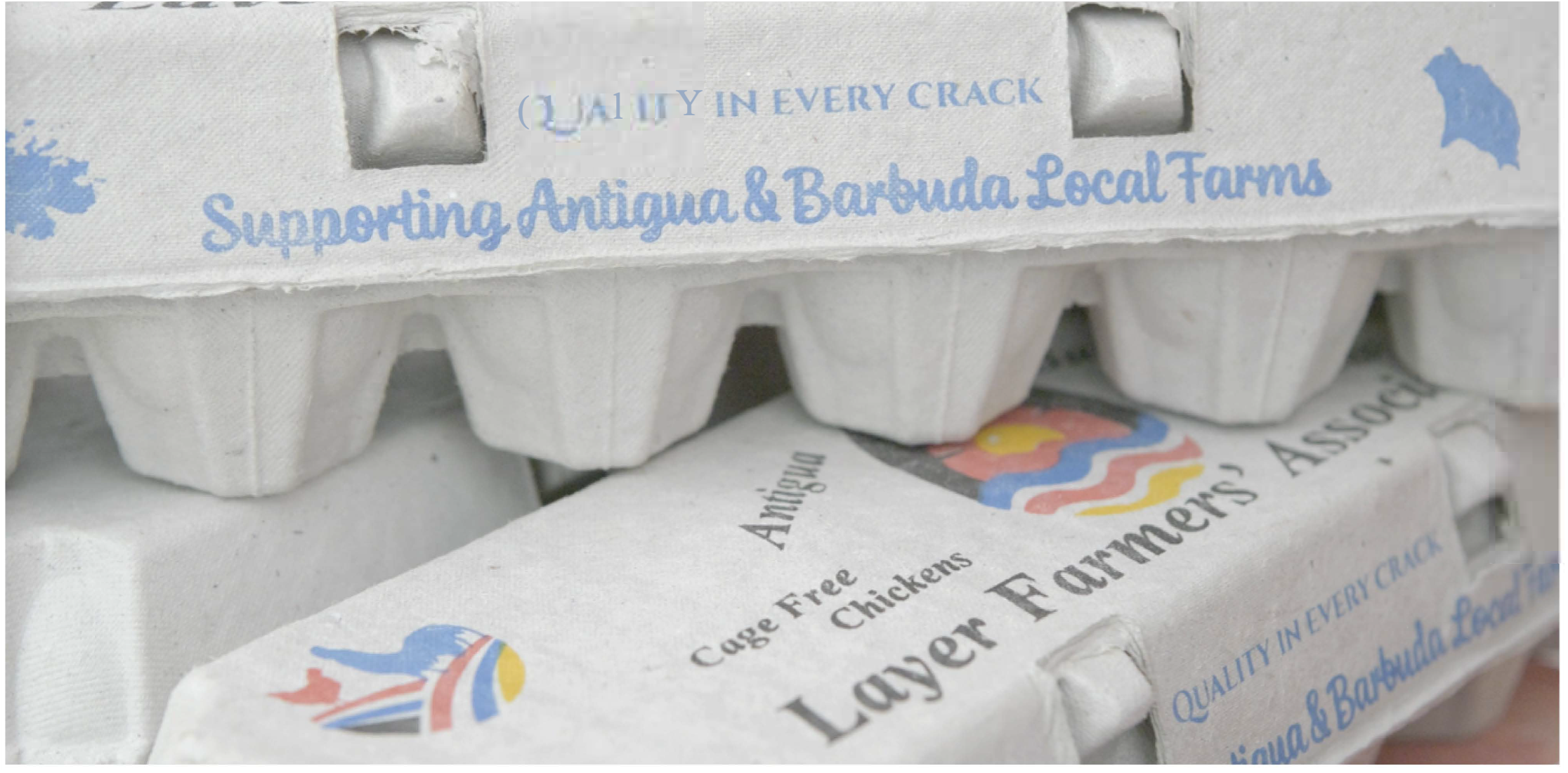
The youth farmers have also developed a circular model to reduce and reuse waste from the farm. For example, the floor of the pens is lined with wood shavings that capture the waste from the chickens. This is collected and used as a natural, non-toxic fertiliser that restores the quality of poor and degraded soils. The egg cartons used in delivery are also repurposed, collected when empty for refills. A food delivery van has been repurposed into a cooling facility.
The group plans to incorporate a biodigester unit capable of repurposing the chicken waste. The biodigester would process 40 pounds of organic waste weekly, converting it into cooking gas. This reduces the need to burn wood or use electricity, which improves air quality for the chickens and humans while contributing to a cleaner environment. The group has also furnished the farm with Energy Saving/Climate Smart Equipment such as solar panels, inverter AC and water pump.
Supporting the community
The Five Islands Organic Farm also exemplifies the value of education and partnerships to achieve success, and integrated programming and a whole-of-society approach by producing a local food source in an environmentally sound manner. Currently, the farmers provide training and mentorship to a group of ten at-risk youths who support them in growing the organic chicken feed.
The farm has also become a local resource for schools and day care centres. Community tours and workshops introduce how to reuse water and care for the chickens. People of all ages are welcomed to the farm to learn about the process of producing local, organic food for the island. As a result, the farm is recognised as a model to other egg producers in Antigua.
One of the goals of this project is to expand the collection of food waste from local hotels to integrate into the chicken feed and biogas. The farm has the vision and desire to scale up its practices to benefit the whole community on Antigua.