
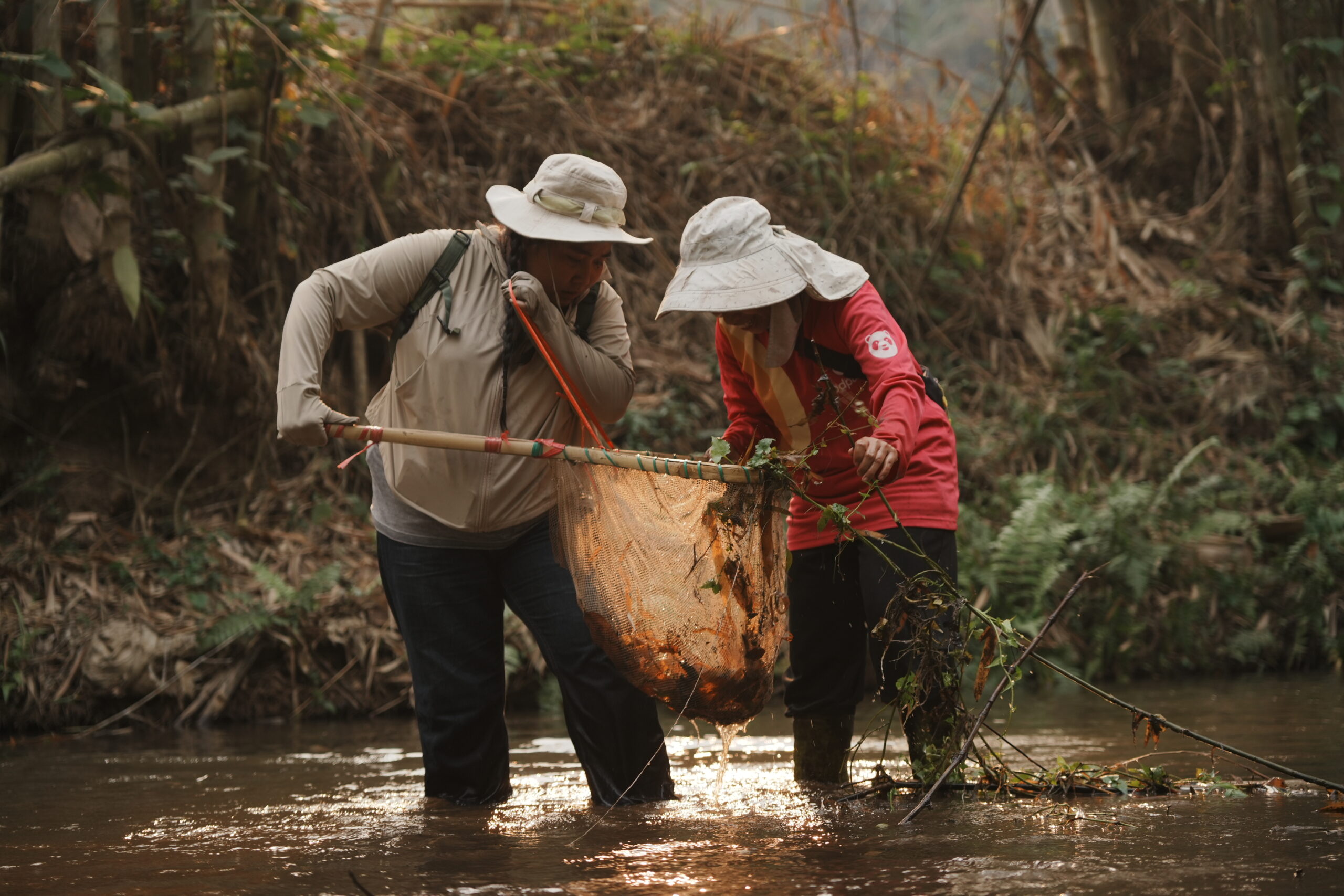

Before a child in the Karen Indigenous community of Ban Mae Yang Min in Chiang Rai tastes their first spoonful of rice, they are first fed fish.
Not just any fish, but pla rak kluay – literally translated as “banana root fish,” a small freshwater species found in the streams flowing through the community’s ancestral landscape.
For generations, families in the village have believed that feeding this fish to children before rice ensures a smooth and resilient life, one capable of overcoming hardship just as fish navigate strong river currents with freedom and strength.
“Before feeding the fish, adults would swirl the fish tail inside the baby’s mouth first,” recalled Maliwan Teja, an Indigenous Karen woman from the village.
“My grandmother used to say it helped children become familiar with the smell of fish. At the very least, if they could grow up knowing how to catch fish, they would never starve.”
At one level, the practice is symbolic – a cultural ritual carrying intergenerational wisdom about survival, food, and the relationship between people and rivers. But viewed through another lens, the choice of pla rak kluay also reflects practical ecological knowledge. The fish is small, soft-fleshed, and contains few bones, making it safer for young children. More importantly, it has historically been abundant in local waterways, making it accessible to nearly every household.
Today, however, the presence of this fish has come to mean something much larger than a child’s first meal. In Ban Mae Yang Min, pla rak kluay has become an ecological indicator – a living reflection of the health of rivers which are increasingly threatened by climate instability and environmental degradation.
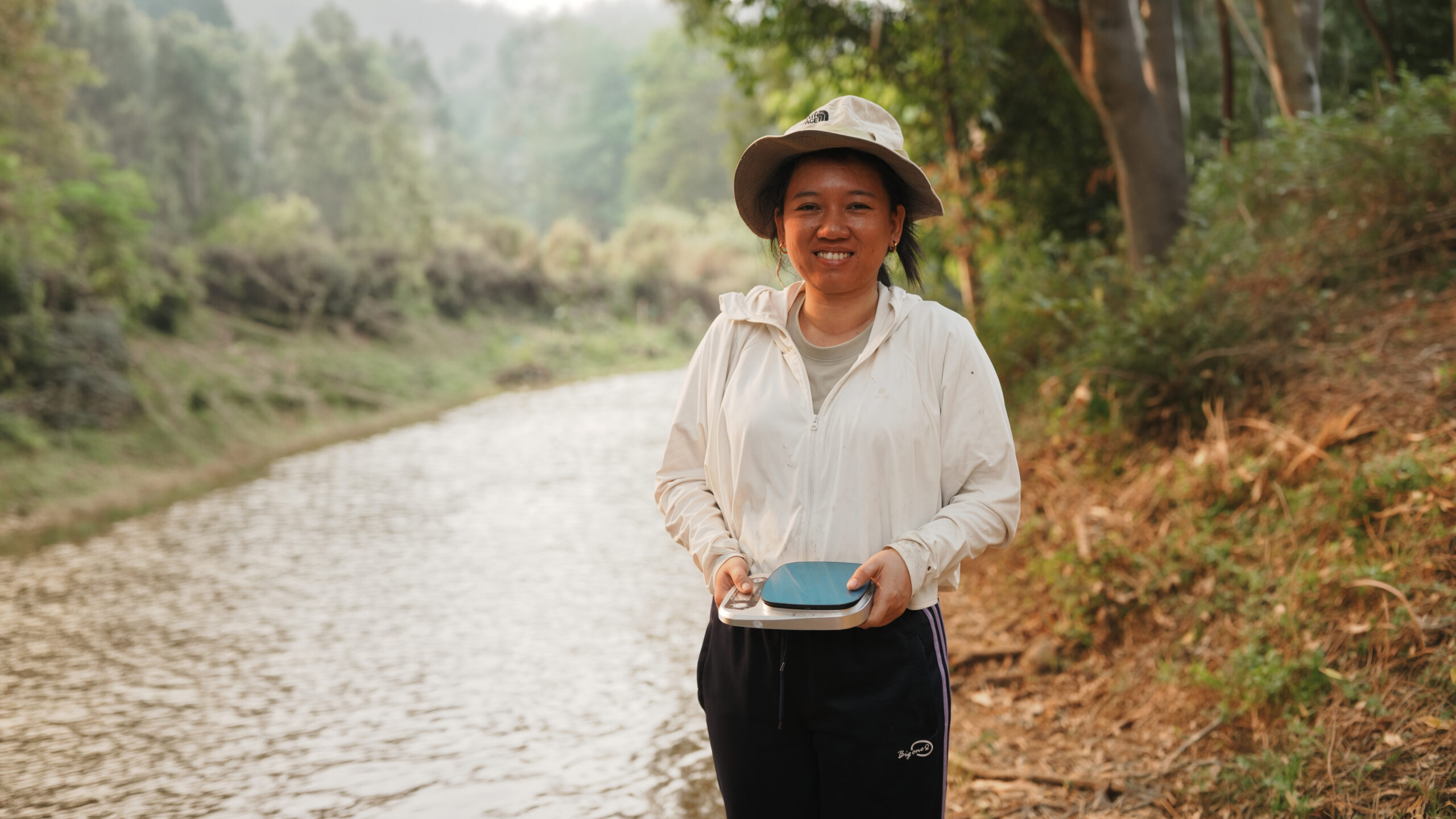
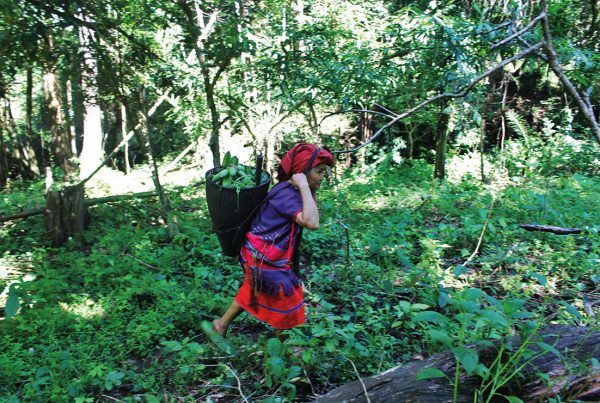
Image: Maliwan Teja, a leader of the community research team, Mae Yang Mint village. Credit: Thawatchai Jaipuang, Indigenous Media Network (IMN)
A fish that indicates the health of the river
A community-led biodiversity monitoring project conducted in Ban Mae Yang Min found that 98% of 171 respondents recognised and frequently encountered pla rak kluay in nearby streams and natural waterways. The fish’s continued existence, therefore, has become a locally understood ecological indicator for clean and functioning aquatic ecosystems – one that requires no laboratory instruments or high-tech scientific monitoring devices.
Yet over the past decade, climate-related disasters have increasingly disrupted that ecological balance. Flash floods, landslides, and severe flooding have struck the area at least four times within ten years, raising concerns among villagers about the long-term survival of local biodiversity and the effectiveness of existing forest protection systems.
Although the community already manages approximately 1,047 hectares of community forest within a larger territory exceeding 1,600 hectares, residents began questioning whether conservation efforts alone were enough to withstand accelerating environmental change. In response, they established six aquatic conservation zones along the Mae Yang River and its tributaries that flow through the village.
Out of this growing concern emerged a community research initiative led primarily by Indigenous women, local knowledge holders, youth, and community leaders. Together, they formed a grassroots research collective tasked with documenting and monitoring biodiversity across the territory.
Using digital mapping tools such as Mapeo, the researchers collected data over a two-year period on species abundance, ecological distribution, and risk of disappearance among plants and animals in the area. Pla rak kluay was among the key species continuously monitored throughout the project.
The results reveal more than cultural attachment; they offer evidence of ecological significance.
Across five research stations and 35 structured sampling sessions, community researchers recorded a total freshwater catch weight of 3,738 grams before species sorting. Pla rak kluay appeared at every monitoring site. The highest number recorded in a single catch was nine fish, while the lowest was two. The largest individual specimen weighed nine grams. Once isolated from the total catch, the species accounted for 462 grams, representing 12.36 percent of all aquatic life sampled during the study.
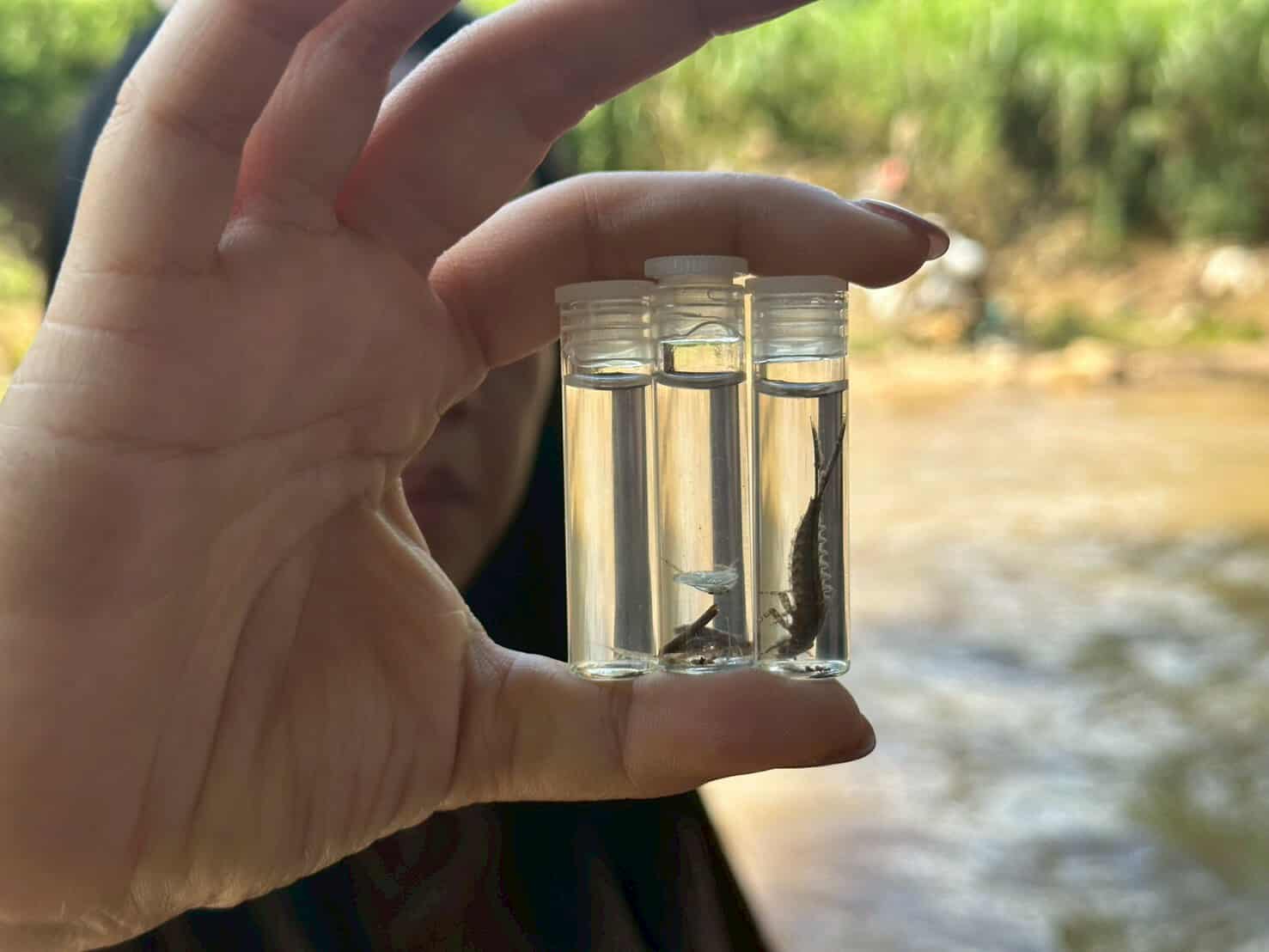
Image: Aquatic insect larvae indicates the source of food for the small fish. Credit: Community research team
Indigenous knowledge as environmental science
The research did not stop at fish populations.
Community researchers documented at least 186 plant species, including 42 tree species, 21 shrub species, 119 medicinal and edible plants, and four aquatic plant species. They also recorded no fewer than 66 animal species. According to calculations based on the Simpson’s Diversity Index, the surrounding ecosystem still retains moderate to high biodiversity.
For Chamonpat Khunwat, one of the Indigenous women researchers involved in the study, the project represents more than data collection. It is an attempt to define future conservation strategies grounded in community knowledge and lived experience.
“Even though our community already has agreements among ourselves and with the state regarding the boundaries between conservation forests and areas for use, we never truly understood the full diversity of the resources we had,” she explained. “This research allows every generation to know what kinds of plants, medicinal herbs, and animals still exist here, which ones require care, and which must be urgently protected.”
The village already enforces strict customary conservation rules. In designated conservation forests, residents prohibit extraction entirely – including collecting fruit from trees – and maintain no-hunting zones for wildlife. But the biodiversity research has revealed something deeper: conservation cannot rely solely on inherited rules if communities themselves are excluded from the systems that define environmental governance.
Another community researcher, Saengthong Khunwat, noted that biodiversity loss has become increasingly visible in daily life.
“Everything is deteriorating,” she said. “Trees, plants, animals – there are fewer than before. That is why we need to continue protecting them so our children and grandchildren will still be able to see them, eat them, and depend on them in the future.”
For the community, conserving pla rak kluay and another native fish species, pla phluang, is not simply about preserving food sources. Their continued presence serves as an ecological indicator that local waterways remain clean, healthy, and free from chemical contamination.
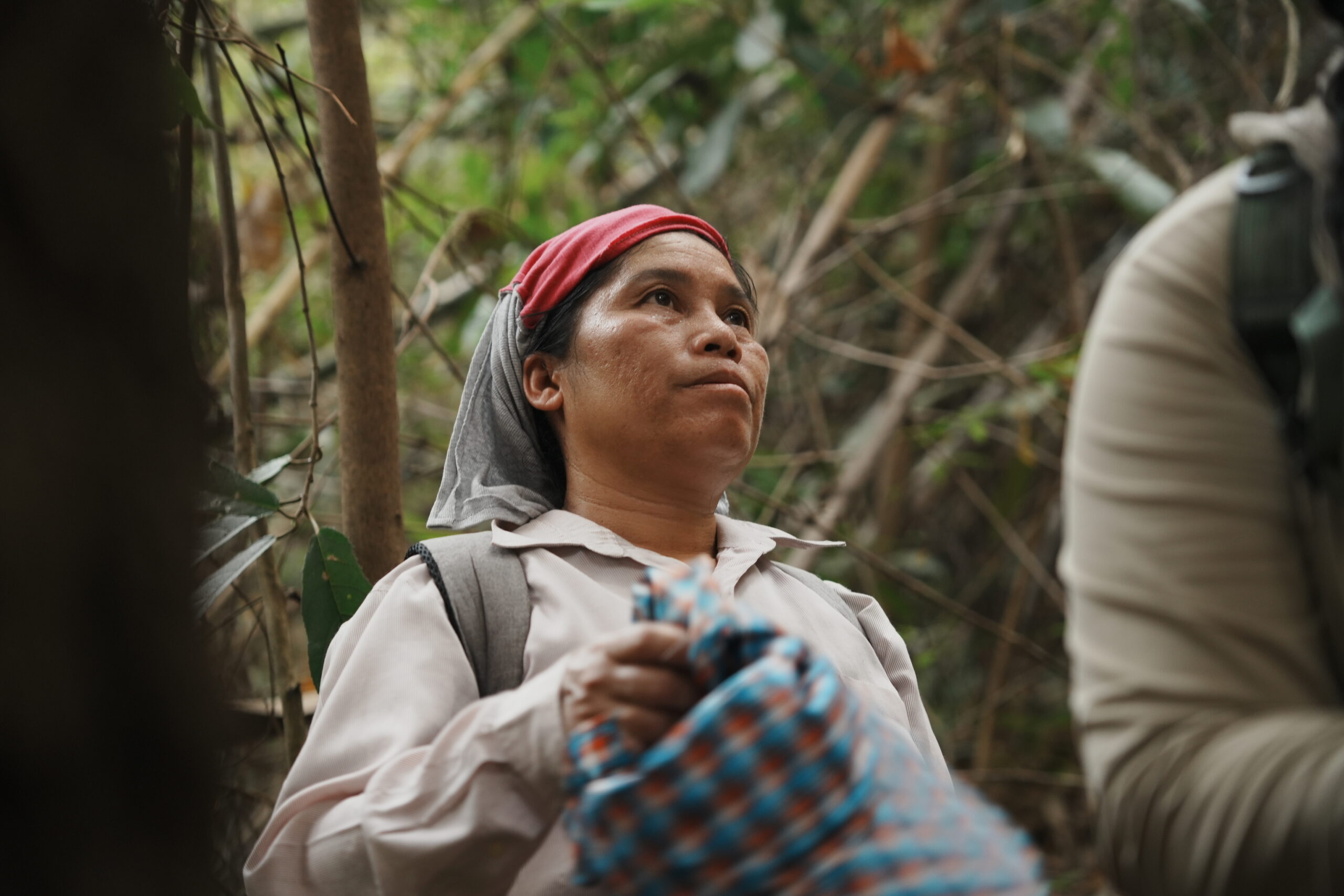
Image: Saengthong Khunwa, community volunteer. Credit: Indigenous Media Network (IMN)
Conservation beyond ownership
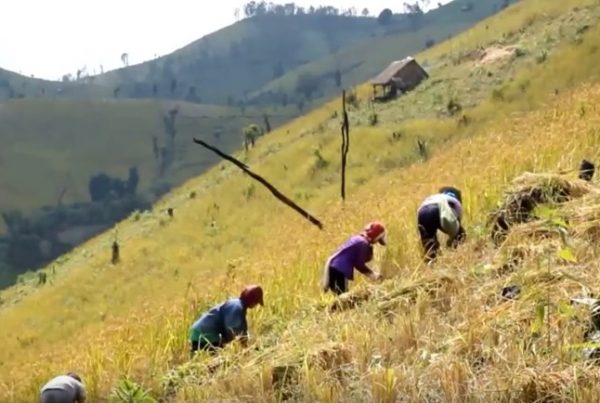
What makes Ban Mae Yang Min’s conservation efforts particularly significant is the political reality surrounding them. Like many Indigenous communities in northern Thailand, residents do not possess formal land titles or legal ownership over the forests and waterways they have cared for across generations.
Yet their relationship with the landscape has never been defined solely by legal ownership.
For the Karen community, environmental stewardship is rooted in reciprocal responsibility between people, rivers, forests, food systems, and future generations. The forest is not merely territory; it is an inherited living system upon which cultural survival depends.
In this sense, the story of pla rak kluay is not simply about fish. It is about how Indigenous communities continue to defend ecological knowledge, biodiversity, and collective survival amid climate uncertainty and contested governance.
“Do not boast about another person’s town. Do not boast about another person’s water source. Care for your own homeland, so there will always be rice, fish, and clothing to sustain life.”