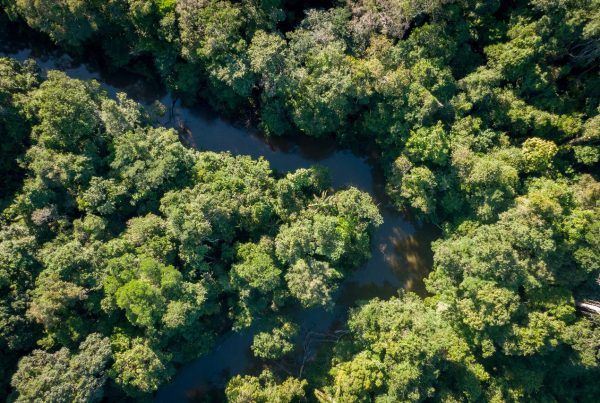


Taloy Sur is a mountainous barangay located in Tuba, in the province of Benguet in the Philippines. It abounds in forests and river systems, and indigenous communities have been at the forefront of caring for their watersheds.
Located near a bustling city, Taloy Sur is faced with a growing population and an ever-increasing demand for water, mainly to supply quickly expanding residential areas such as condominiums. Some residents see this as a threat to the continuous supply of water for their gardens.
The indigenous communities of Taloy Sur are mainly a mix of Ibaloy and Kankana-ey ethnicities. Many are farmers and, for them, water for irrigation is a primary need.
The farmers mostly plant highland vegetables in small vegetable gardens, such as pako (edible fern), kamote (sweet potato), ava/gabi, cassava, beans, and other vegetables, as well as fruit. They also do small-scale backyard husbandry such as raising chickens and pigs, which are highly sought after for household food and traditional ceremonies.
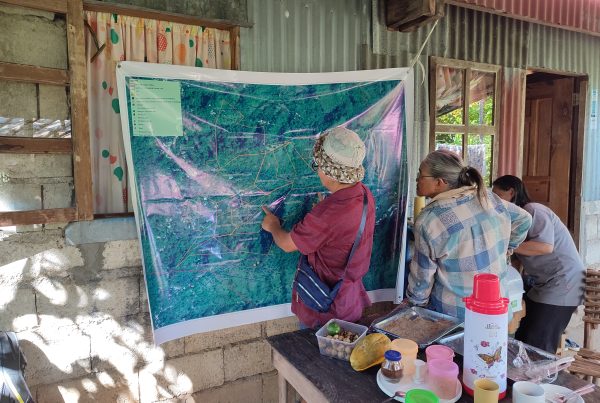
One of the four irrigators’ associations in Taloy Sur has conservation of the watershed as one of its primary goals. With this intention, the Taloy Sur Irrigators’ Association (TSIA), with the assistance of Partners for Indigenous Knowledge Philippines (PIKP), set out to identify Philippine native and endemic plants in the watershed area that the TSIA has been caring for over the past 37 years since the organisation was formalised.

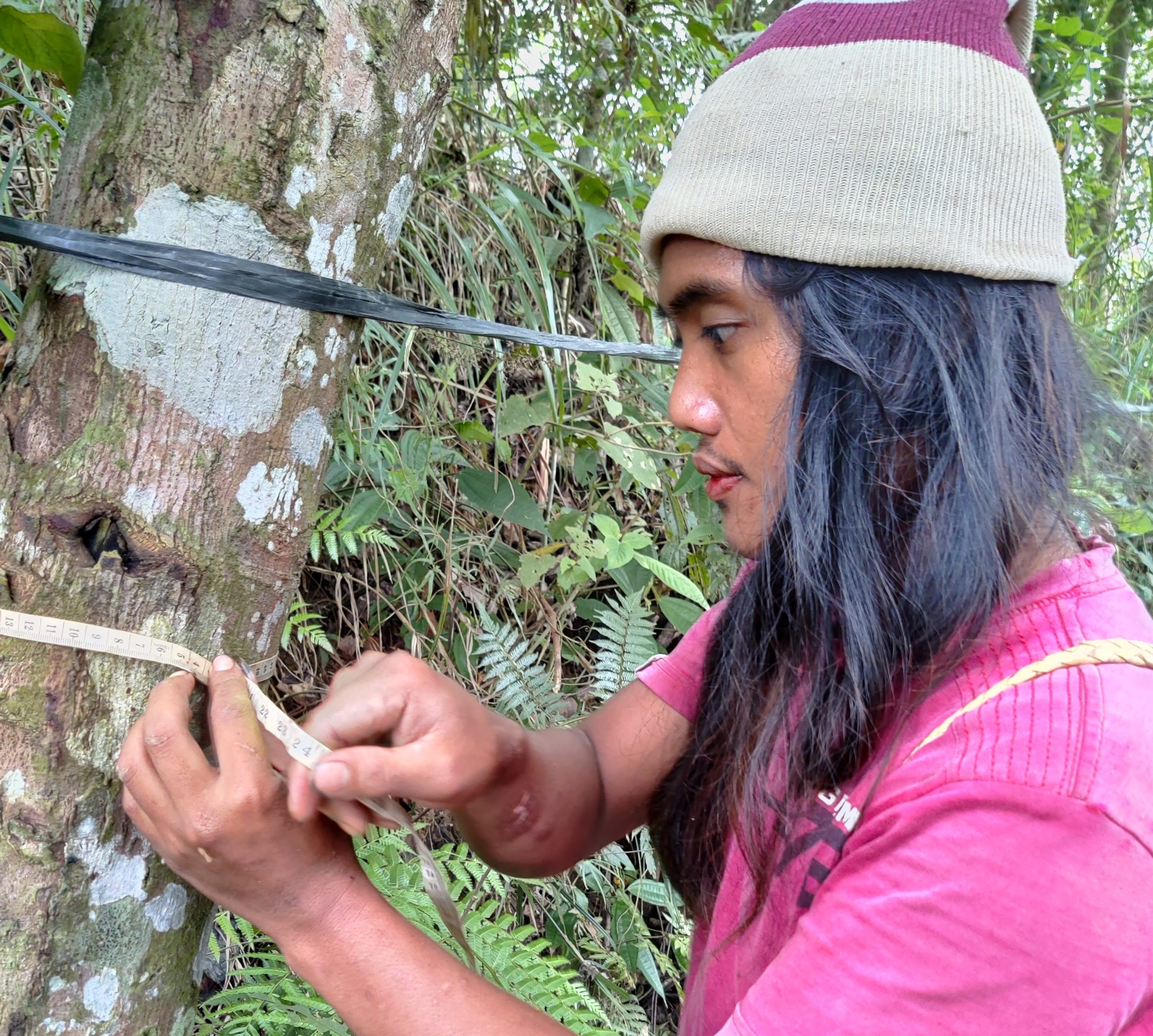
Measuring selected trees for monitoring during a community-led field visit to identify plant and tree species. Credit: Mabel Batong / PIKP and Rosemarie Gumtang / TSIA.
Author
- Partners for Indigenous Knowledge Philippines (PIKP)
Ecosystems
- Tropical forests
Topics
- Mapping and Monitoring
- Ecosystem restoration
Type
- Short-form
Date
- This case study was published in July 2024 in the report The Philippine Indigenous Peoples Biodiversity Strategy and Action Plan (IPBSAP).
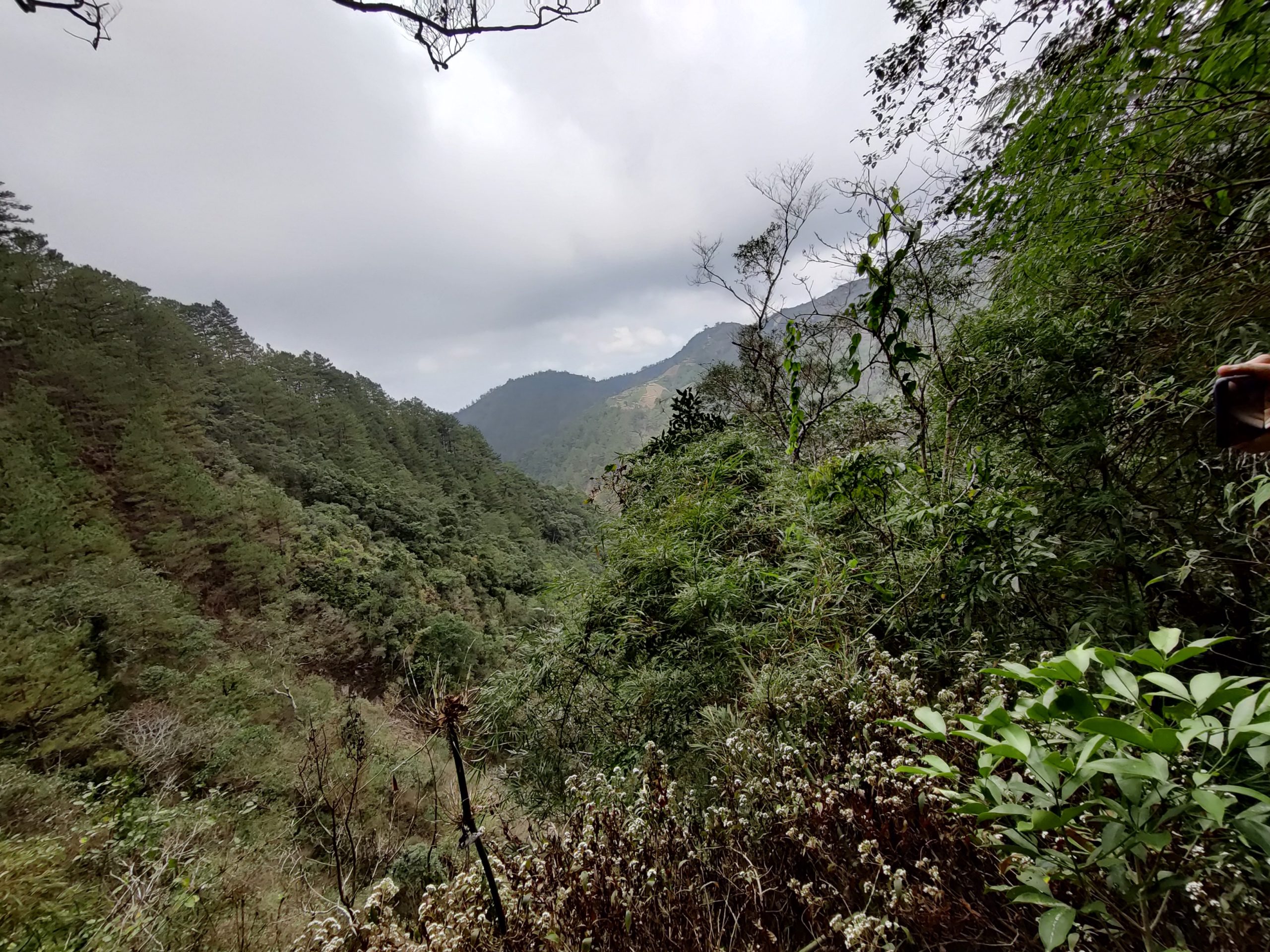
Entrance to the watershed area in Taloy Sur; the surrounding forests are classified as lower montane forest and pine forest. Credit: Mabel Batong / PIKP and Rosemarie Gumtang / TSIA.
Even before the existence of the TSIA, the community had been ensuring that trees were not indiscriminately cut or felled, and were used only for their household needs – indigenous knowledge which the TSIA includes in its practice. The community at that time was faced with illegal loggers. According to some elders, hardwood trees such as the kaliwkiwan, bugas and shalakan are no longer to be seen.
The overall goal of identifying native and endemic plants was to determine appropriate plant species for the TSIA’s reforestation efforts. Key members of the TSIA took part in the process.1
Based on an initial survey in March 2024:
- 155 plant species were identified
- 49 of these species (37.6%) were identified as endemic, being found only in the area
- 80 species (60.20%) were identified as native non endemics or indigenous species that are native to the Philippines but also occur in nearby countries
- 26 species (2.3%) were considered introduced/exotic species.
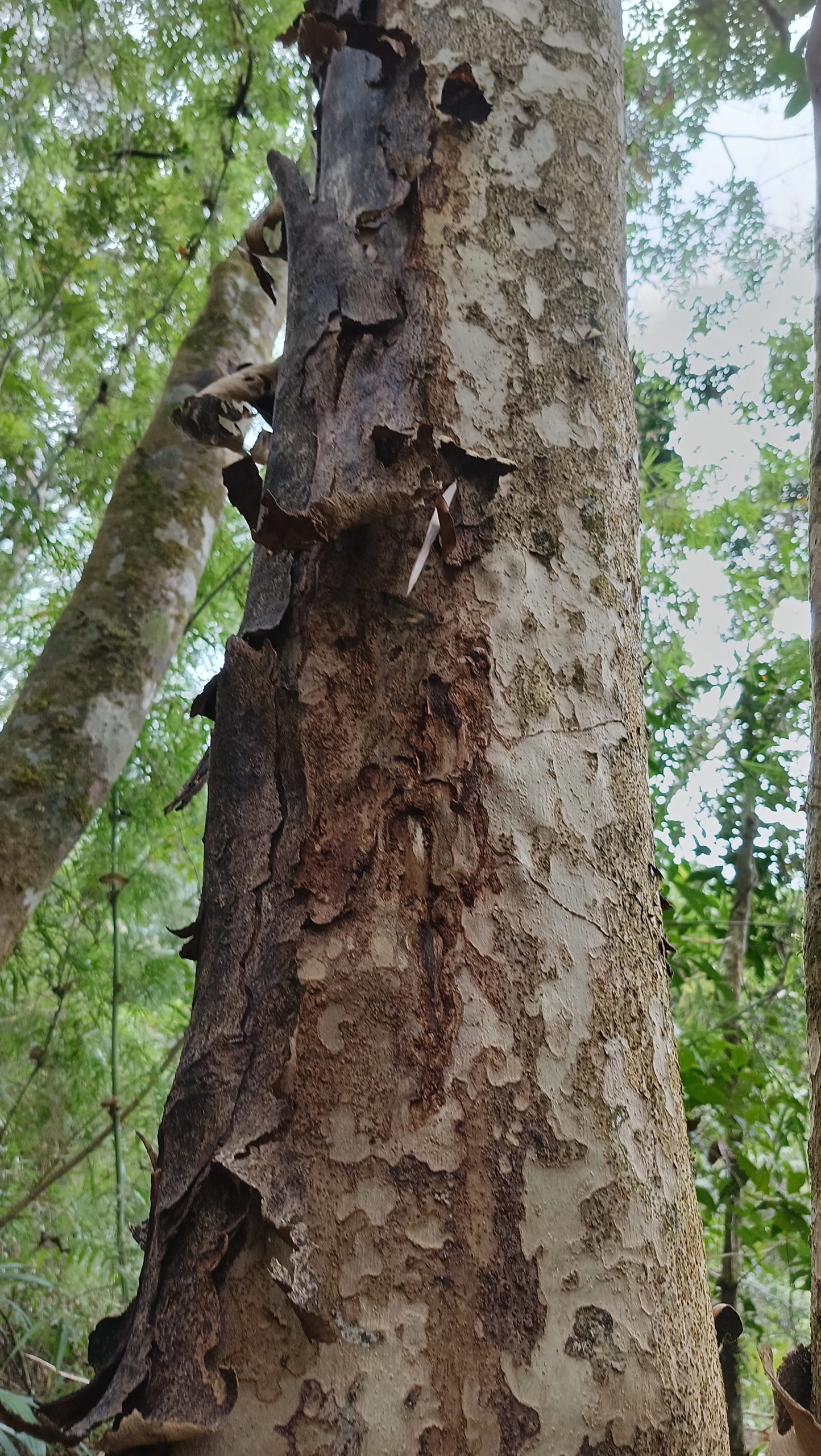
In the forests of Taloy Sur, the native but non-endemic tree species Guioa pleuropteris. Credit: Mabel Batong / PIKP and Rosemarie Gumtang / TSIA.
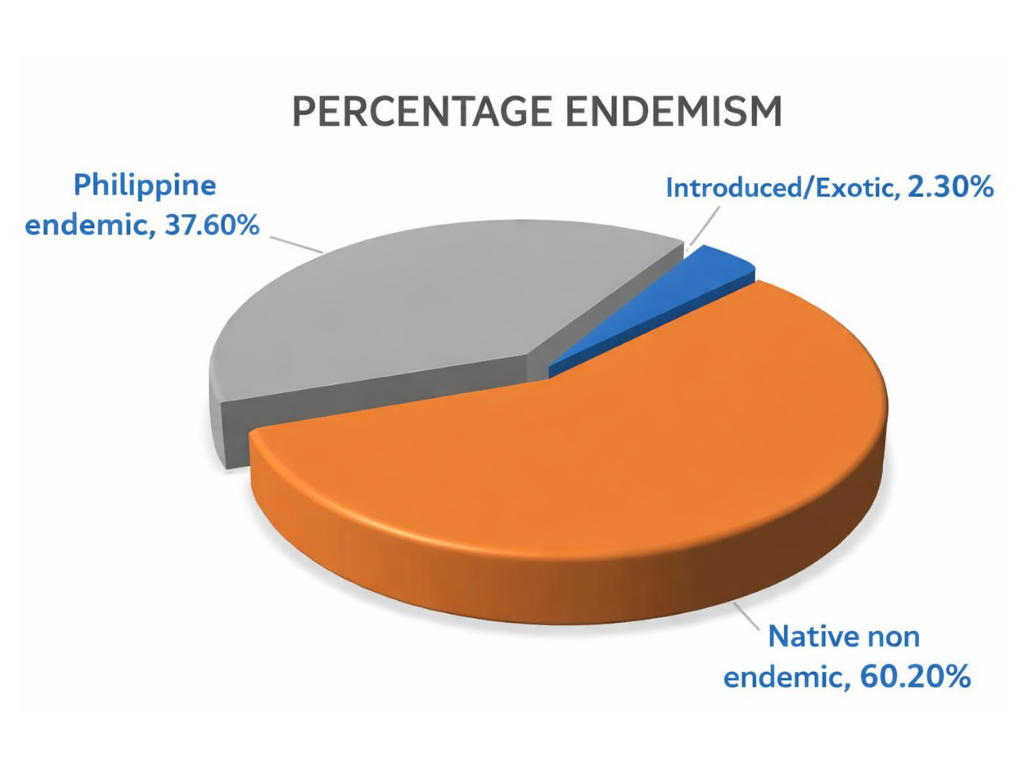
Percentage of endemism in the forest patches of Taloy Sur, Benguet. Source: Ferreras, U. (2024).
Based on the initial data, around nine tree species are recommended for reforestation, including:
- Ficus benguetensis (local generic name: tebbel)
- Acalypha cardiophylla (local name: anitap)
- Ficus banahaensis (local name: dapting)
- Erythrina subumbrans (local name: sabdang)
- Crypteronia paniculata (local name: kuday/koday).
Ficus ampelos; its fruits attract animal dispersers. Credit: Ulysses Ferreras, Botanist, Philippines.
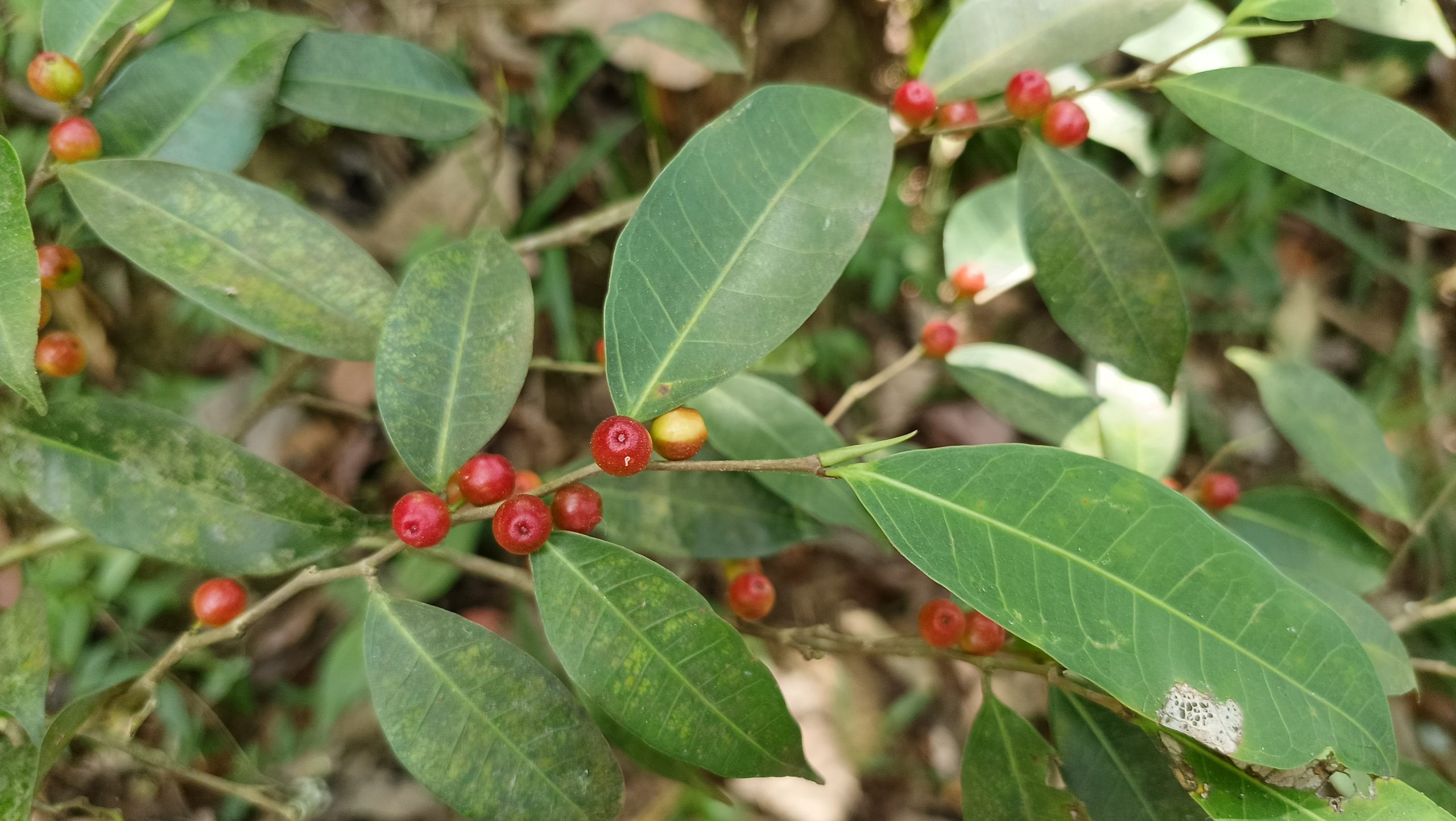
Ficus trees play an important role in forest restoration because seed dispersers are attracted to their fruits.2 They also have more sapling species surrounding them compared to non-Ficus trees and are effective forest reforestation agents.3 TSIA members have been planting native Ficus trees such as the tebbel at their water sources, thereby contributing to biodiversity conservation.
Some community members identified culturally important plant species, such as the darew/daraw tree (Wendlandia sp.) which is used solely for the foot-stands of tables built to carry pigs at cultural ceremonies.
Other plants are important for soil protection, including the muras (mulberry), Viburnum glaberrimum (edog/apiit), and Artocarpus heterophyllus (langka/jackfruit).
The fruits of the balokok, belis and taladang are sources of food.
“It is good to continue planting trees so that our local plants and uses won’t disappear”
Judith, a local farmer.
Another aspect of the plant identification was to understand the forest structure in select parts of the forest, and identify replicable ecosystems which can be the basis for TSIA’s reforestation and biodiversity conservation. Nine forest plots were established in June 2024, to be monitored by the TSIA. This will be part of their regular activities as they already regularly monitor the site and maintain their watershed and water sources.4
While TSIA has been doing annual tree planting activities where needed, they have also been encouraging their members to plant native (to the Philippines) and endemic trees through seedling contests, education activities, and incentives in the form of prizes.
They have also adopted a planting site at the Baguio Animal Breeding Research Center in neighbouring Baguio City.
There is recognition that while the past 37 years have been challenging enough, the next 37 years will be even more challenging with the current changing climates and growing population of Taloy Sur.
The work of the Taloy Sur Irrigators’ Association has been key to the community’s protection of the water source and availability of water. They plan to expand their advocacy to their neighbouring irrigator’s associations – that is, to protect and conserve the watershed and the community’s water sources.
Endemic vine from the Taloy Sur Watershed, Zehneria scaberrima, bearing small edible fruits constricted at the middle. Credit: Ulysses Ferreras, Botanist, Philippines.
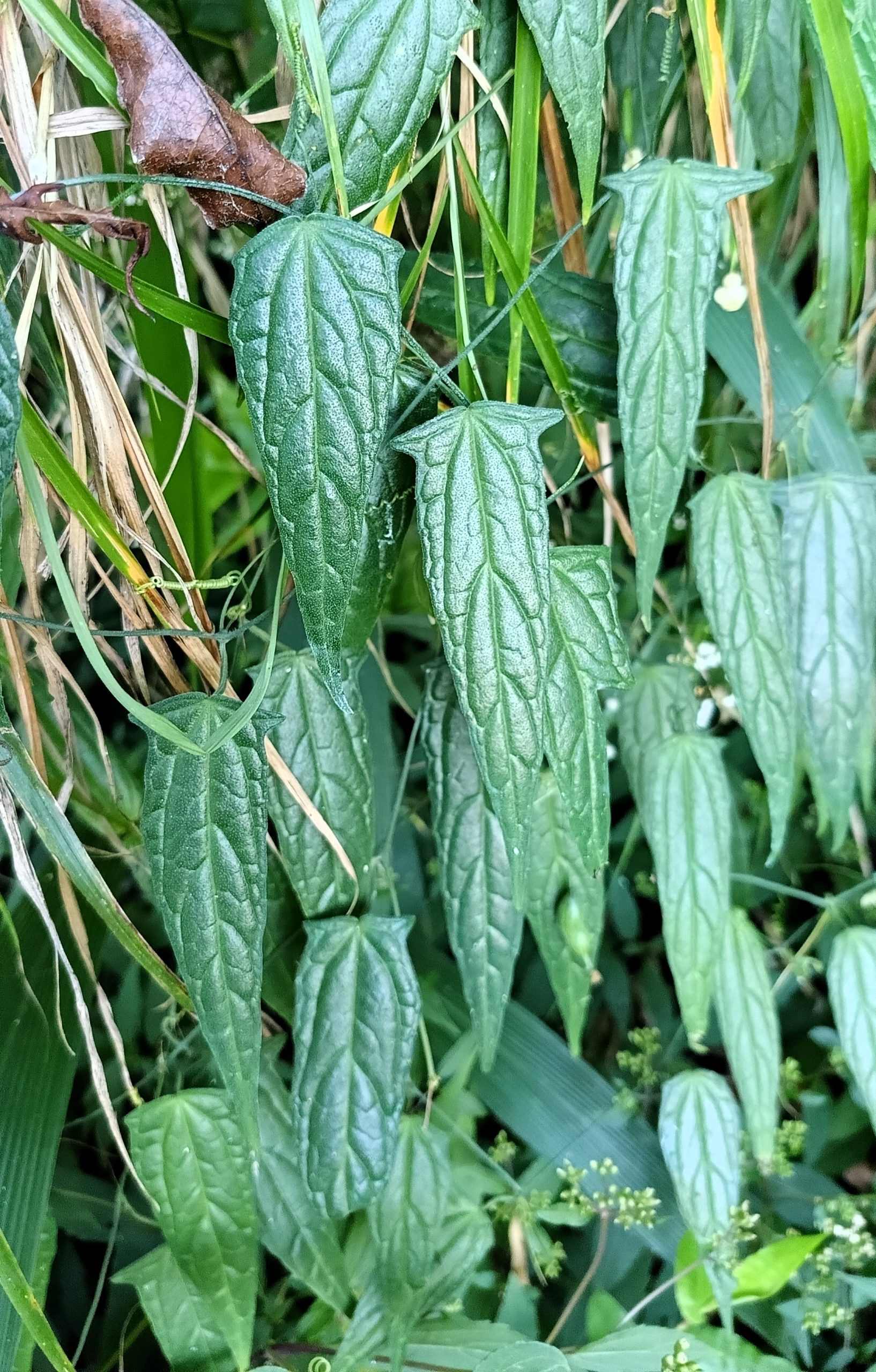
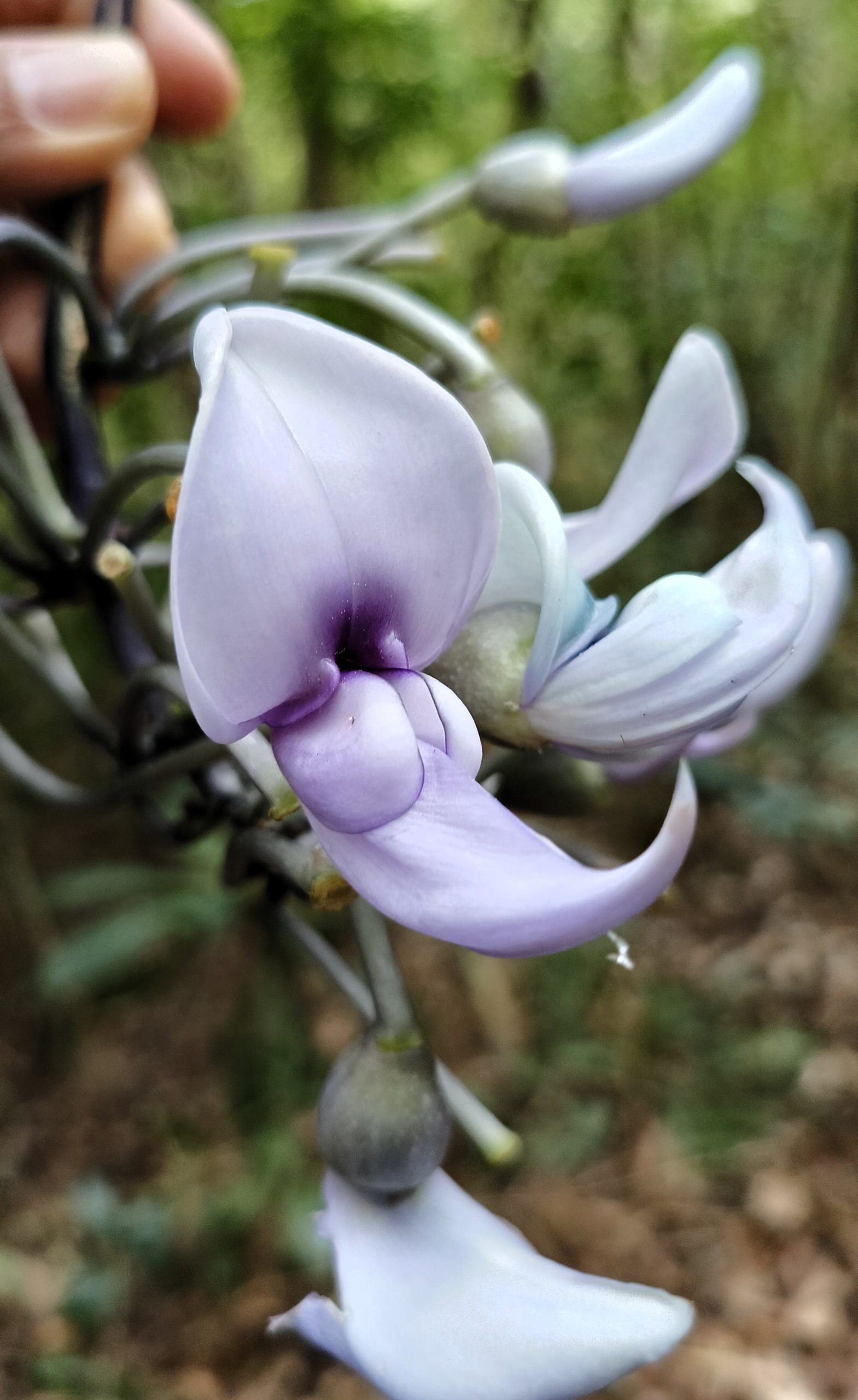
Strongylodon zschokkei. Endemic liana of Benguet, Abra, and parts of Quezon. Credit: Ulysses Ferreras, Botanist, Philippines.
References
- Ferreras, U. (2024) ‘Preliminary report on the floristic surveys in the watershed areas of Taloy Sur, Tuba, Benguet’.
- Cottee-Jones, H.E.W. et al. (2016) ‘The Importance of Ficus (Moraceae) trees for tropical forest restoration’, Biotropica, Vol. 48, Issue 3, pp. 413–419, February 2016.
- Ferreras, U. (2024) ‘Preliminary report on the floristic surveys in the watershed areas of Taloy Sur, Tuba, Benguet’.
- Saoyao, E. et al. (2024) Taloy Sur Irrigators’ Association (TSIA).