
Tangtou Village is located in Suzhuang Town, Kaihua County, Quzhou City, Zhejiang Province, China, at the southwest corner of the Qianjiangyuan Zone of the proposed Qianjiangyuan–Baishanzu National Park. The village covers 1,314 hectares, with approximately 612.07 hectares of forestland within the national park boundary. The residential area and most farmland lie outside the national park.
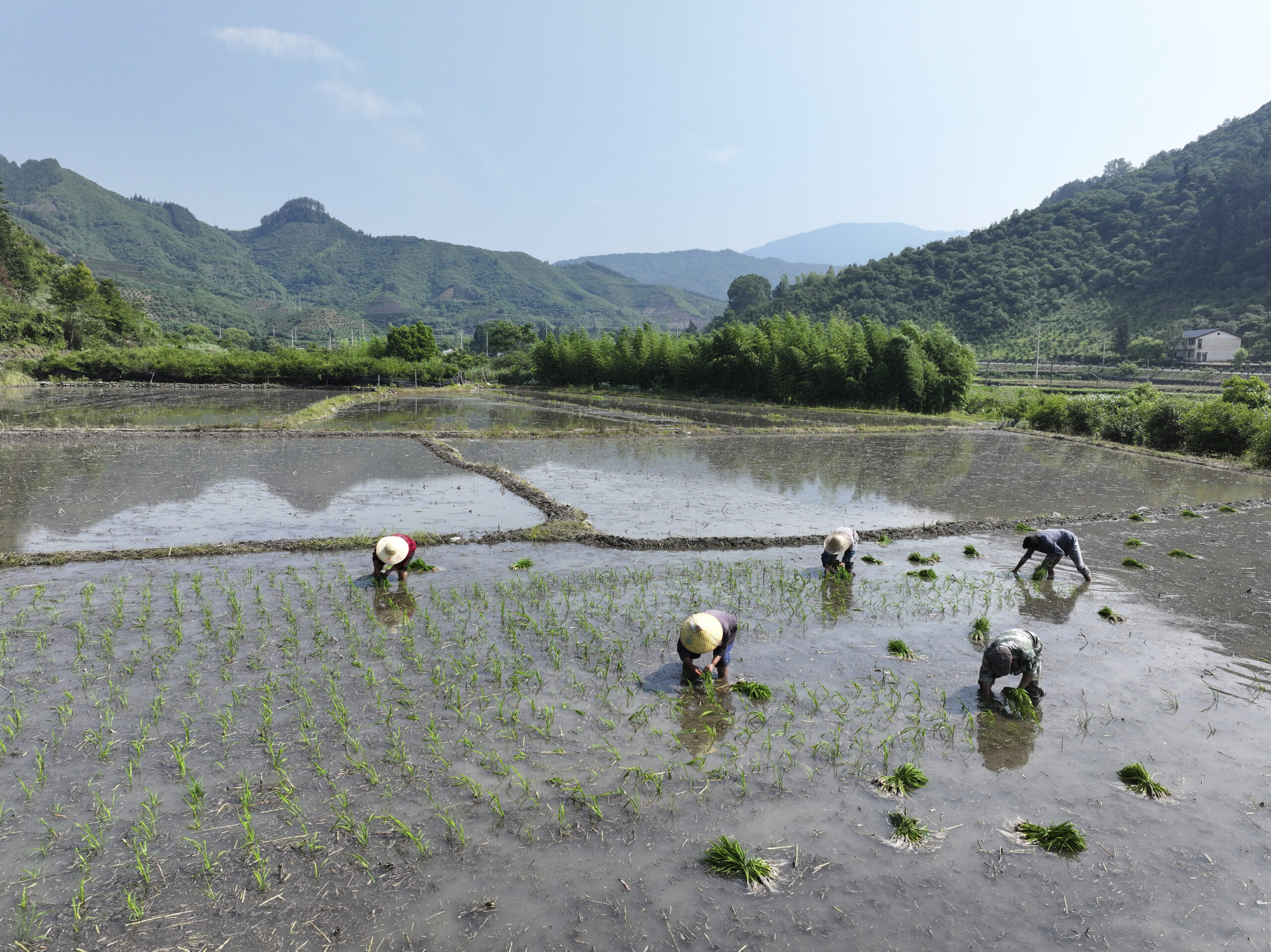
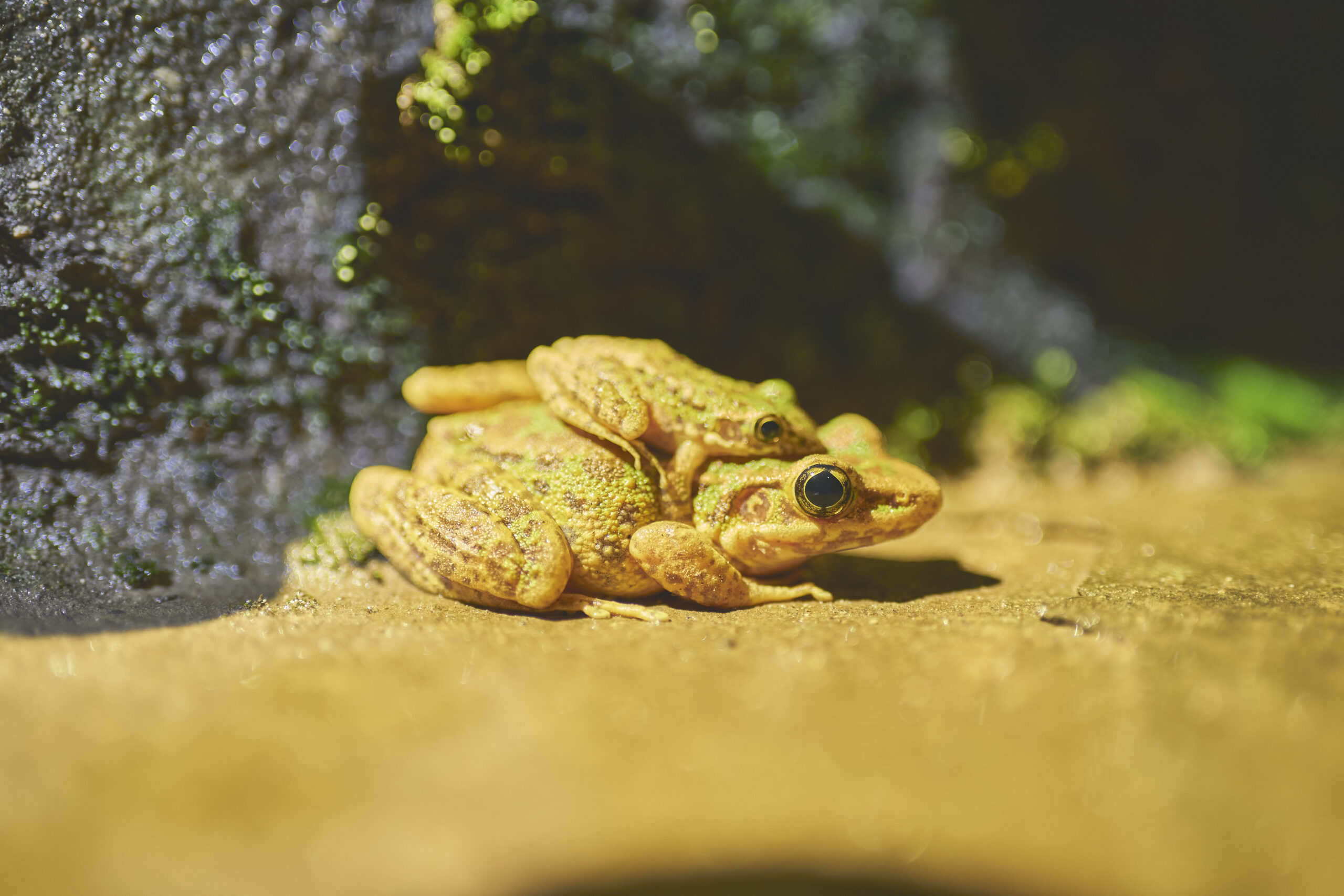
Tangtou Village is an agricultural community with a long history. Rice is a vital traditional staple crop and the village has about 25 hectares of paddy fields. The village also preserves festivals closely tied to rice farming. Each spring, the grand Ancient Buddha Festival is held to pray for favourable weather and a good harvest. In autumn, villagers weave several metre-long straw dragons from rice stalks, insert incense, and perform folk dances to celebrate the harvest. Both festivals are officially recognised as intangible cultural heritage. Beyond cultural values, these rice paddies also serve a key conservation role in providing habitat for diverse birds, amphibians, insects, and benthic fauna, enriching species diversity around the evergreen broad-leaved forests in the national park.
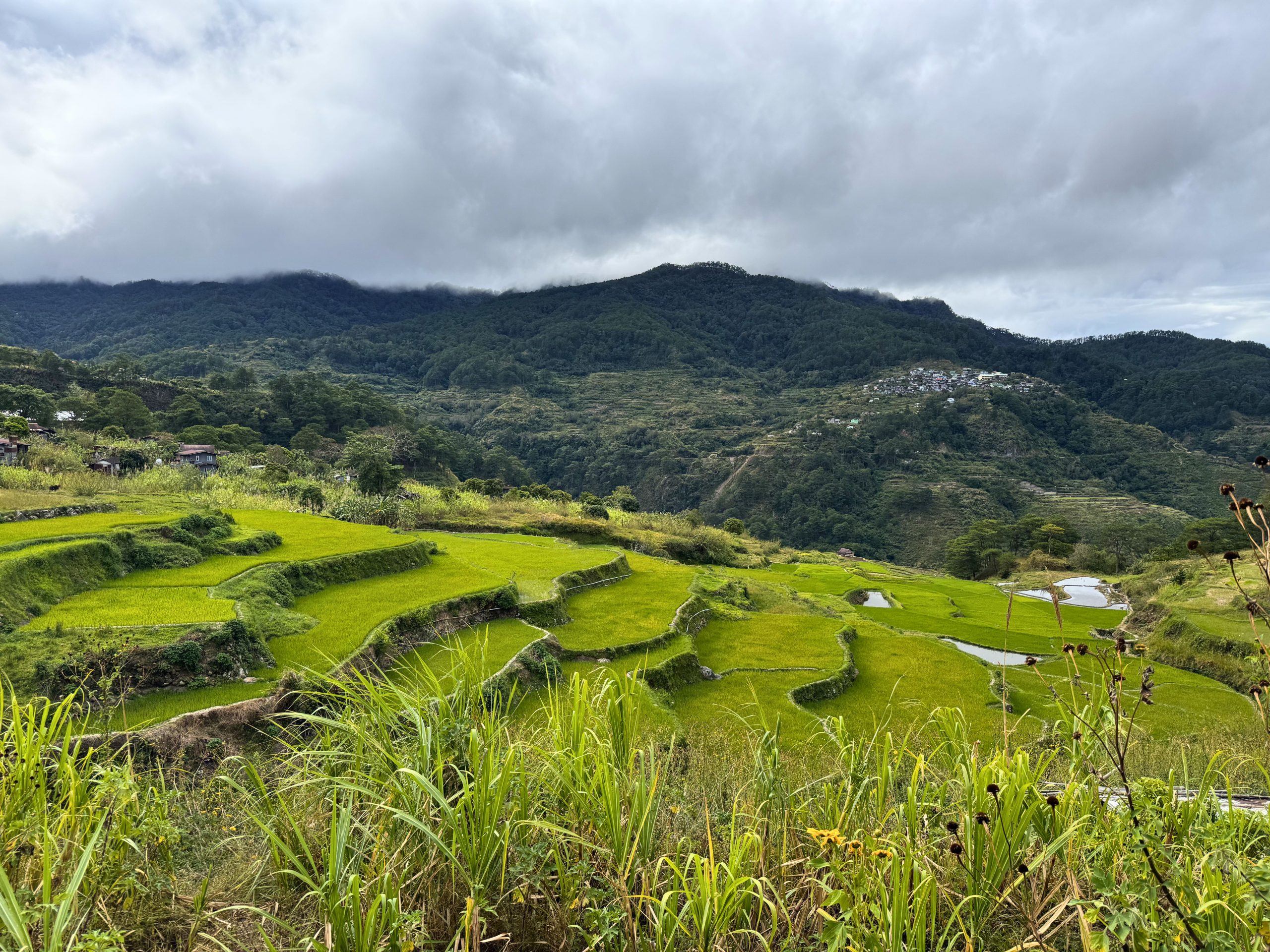
Caption: Aerial view of farmland in Tangtou Village. The mountainous area on the left side of the road lies within the national park boundary. Credit: ©️GoldenWorld·Studio_Photo by Xuanyi Yu
Reforms in collaboration with National Park authorities
Since 2020, the Qianjiangyuan National Park Administration has launched the innovative Rural Contracted Land Easement Reform. Without changing land ownership, the programme provides ecological compensation for local people based in important ecosystems to encourage them to protect nature instead of developing the land. This is paired with scientific monitoring, technical training, and franchising schemes to regulate farming practices in line with eco-friendly agricultural standards and license the sale of relevant agricultural products, thereby significantly reducing fertiliser and pesticide inputs and lowering associated ecological risks.
Tangtou Village joined the land easement reform in 2021. By 2025, nearly all of its paddy fields were under conservation, making it the village with the largest farmland area involved in the reform around the national park. Monitoring results indicate that Tangtou’s paddy fields support higher diversity of amphibians and benthic fauna than conventional paddies in surrounding villages.
Traditional agricultural knowledge
Besides large paddy fields, villagers grow various vegetables in scattered plots, including peppers, eggplants, loofah, cucumbers, and cowpeas. They retain traditional practices such as composting cattle and chicken manure, and mulching soil with straw and fallen leaves to suppress weeds, reducing reliance on agrochemicals.
Camellia oil is another key industry in Tangtou. The village has over 200 hectares of camellia forests, both inside and outside the national park. Most trees are old, locally adapted varieties growing naturally on hillsides. Villagers believe that while old varieties yield less than widely promoted new varieties in the short term, they produce better-tasting oil and more stable yields in the long term.
Old camellia trees require no fertilisers or pesticides and only need weeding once or twice a year, minimising human disturbance to the camellia forests. New camellia trees, on the other hand, deliver high yields yet need regular fertilisation, frequent weeding, and rigorous pest control, especially in the early growth stage. Many elderly villagers prefer manual weeding, as they believe herbicides, though effective, can weaken tree vitality over time. Alongside paddy fields, camellia forests support key protected wildlife species such as leopard cats, silver pheasants, and black eagles.
Strengthening agrobiodiversity conservation
In 2024, with the support of public welfare projects funded by Alibaba Philanthropy, local government agencies, national park authorities, enterprises, social organisations, and the community joined efforts to further strengthen agrobiodiversity conservation in Tangtou Village.
Monitoring by technical teams verified the effectiveness of the easement reform and established baseline data for the local agroecosystem. By the end of 2025, nine mammal, 67 bird, 185 insect, and 16 amphibian and reptile species had been recorded, laying a biodiversity baseline for long-term monitoring. Building on existing ecological farming practices, the rice paddies started transitioning to organic cultivation. This not only makes production more biodiversity-friendly, but also allows agricultural products to command a price premium and boost community income, gradually steering local development from government subsidies toward market-led sustainable growth.
Systematic conservation based on science and traditional ecological knowledge is gradually expanding to scattered vegetable plots, tea fields, and non-agricultural areas. Such efforts improve overall ecosystem quality and enhance habitats for pollinators, natural pest controllers, and other functional groups. Furthermore, the community, together with technical partners, is building a guide and interpretation system encompassing guided trail routes, interpretation panels, commentary scripts, and community guide training to showcase local biodiversity as well as traditional ecological and agricultural knowledge, support agri-tourism and make the village a public platform for agrobiodiversity education.
In 2026, around 67 hectares of Tangtou Village outside the national park were recognised as an outstanding case of potential OECM in China. Tangtou Village community, national park authorities, and local government, together with other technical and financial supporters will continue to expand effectively conserved areas, contributing to the 30×30 global biodiversity target (Target 3).