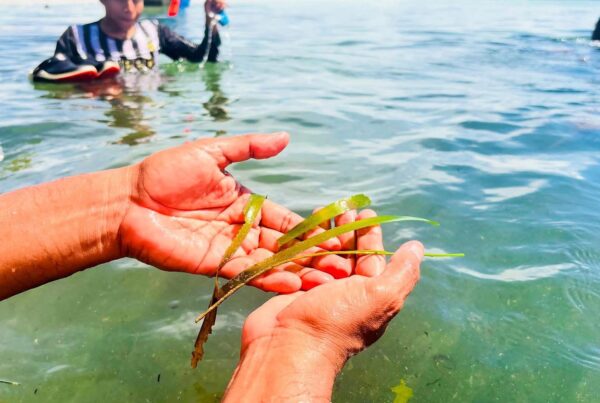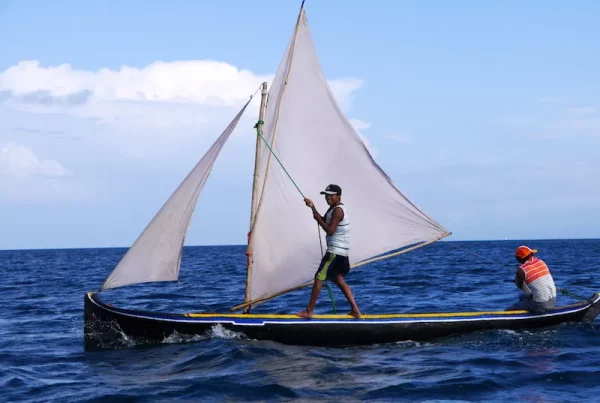

The Guna people of Dad Naggue Dubbir, located in the Guna Yala Comarca, Panama, maintain an ancestral and intrinsic relationship with the sea, which they regard not only as a physical space but as a living territory that sustains their food, spirituality, collective identity and community organisation. This relationship is based on their own systems of knowledge and governance developed over generations, grounded in respect for natural cycles, customary laws and collective decision-making.
In the Guna worldview, the sea (Muu Billi) is an integral part of Mother Earth, and caring for her is based on the principles of balance, reciprocity and complementarity. These principles are embedded in and conveyed through stories, tales and traditional lullabies, and are passed down from generation to generation.
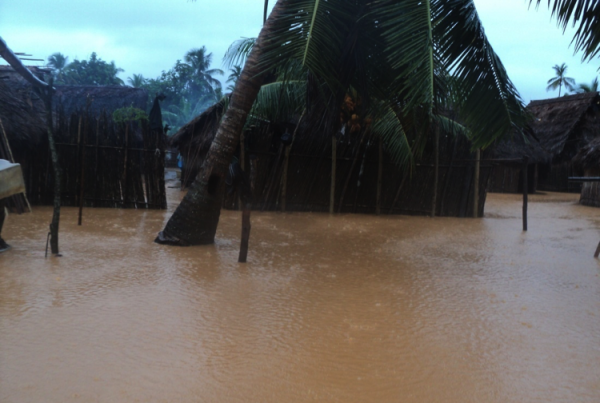
However, these ways of life and ecosystems face growing threats linked to climate change, such as rising sea levels, the degradation of coral reefs and disruptions to the reproductive cycles of marine species. Added to these pressures are external factors such as unregulated tourism, plastic pollution, unsustainable fishing and the imposition of development models alien to Guna culture. These dynamics directly affect the people’s biodiversity, food security and cultural continuity.
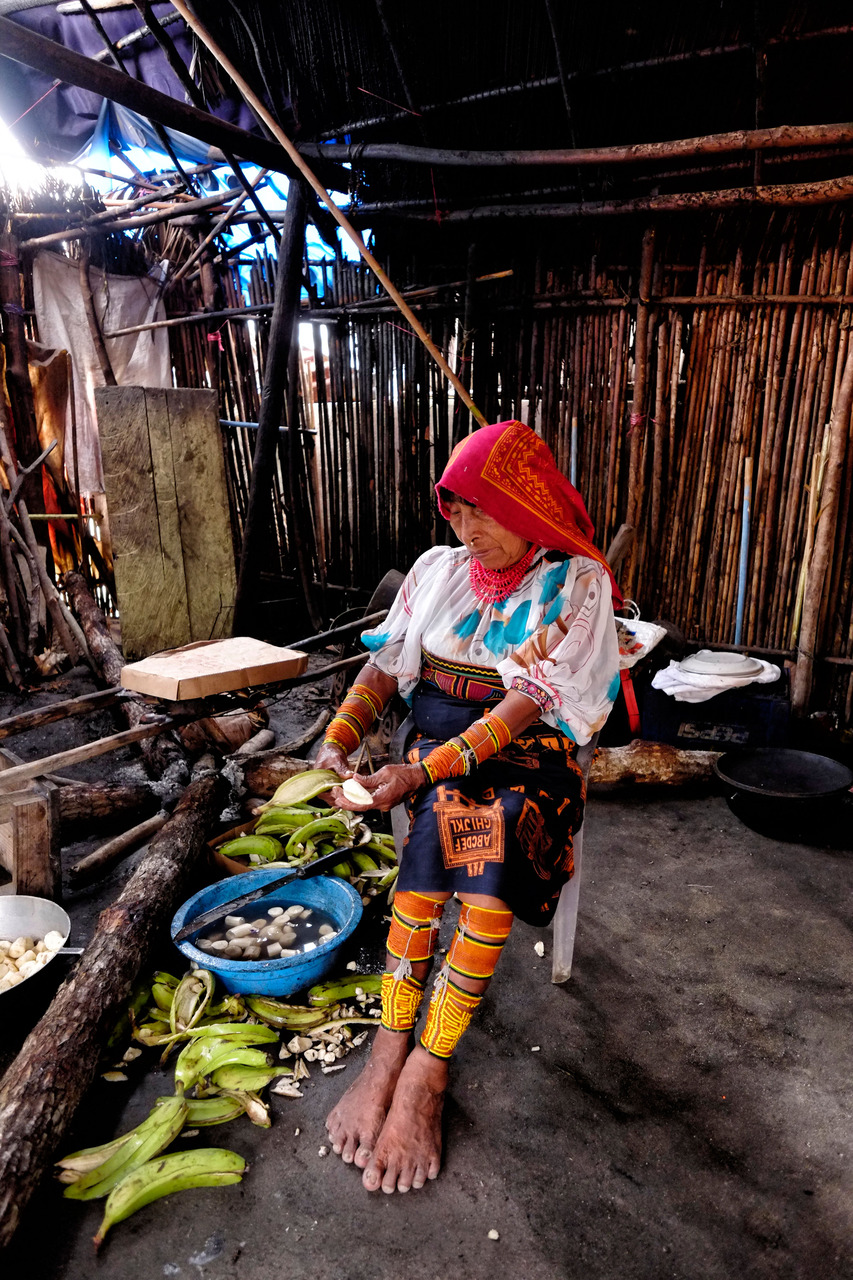
In this context, Guna women play a vital role. As the traditional custodians of food, health, child-rearing and the passing on of everyday knowledge linked to the sea, they are key players in the sustainability of community life. However, their leadership has historically been overlooked within formal conservation frameworks and environmental funding mechanisms.
This case study analyses the process led by Guna women to recover and revitalise traditional knowledge of marine ecosystems in Dad Naggue Dubbir, highlighting its contribution to biodiversity conservation and its practical relevance to the implementation of the Kunming–Montreal Global Biodiversity Framework.
Initiatives and activities
The islands currently face threats from external activities such as tourism, boat traffic (sailing boats and cruise ships) and unsustainable fishing practices, as well as the accumulation of plastic waste. Another threat is development activities that are not indigenous to the islands, such as the use of non-traditional materials for landfilling and house-building, which is causing the erosion of beaches and coral reefs.
Protection of sacred sites and traditional practices
Our grandfathers and grandmothers taught us that the sea gives us life; it is there that the species which provide us with food reproduce, and at the same time they are living beings who, just like us, live and feel – which is why it is important to look after and protect them.
That is why we were taught that there are sacred sites there which we must not disturb; spirits live there who look after and protect us, but who also react to any threat that might destroy their habitat. In response, the women rediscovered knowledge about sacred marine sites known as “ ‘Galus’ or ‘birias’”, areas of great spiritual and ecological value, whose purpose is to protect the corals and reefs. A 69-year-old fisherman and expert in medicinal plants confirms this, adding that many of the species – both fish and plants – found in the sea are used to treat a wide range of illnesses.
Revitalising the intergenerational transmission of knowledge
A key element of the process was the intergenerational transmission of knowledge. Through songs, stories, storytelling and the use of the Guna language, the women strengthened their own educational systems, ensuring cultural continuity and instilling in the younger generations a sense of responsibility for looking after the sea.
Women took on a central role as leaders, facilitators and custodians of knowledge, linking marine conservation with food, health, child-rearing and community life.
Analysis: Guna governance systems and women’s leadership
The case study demonstrates that the Guna people’s own governance systems provide a solid and effective foundation for biodiversity conservation. Unlike external approaches, which tend to fragment ecosystem management, these systems integrate ecological, cultural and spiritual dimensions, fostering sustainable practices in the long term.
The leadership of Guna women is fundamental within these systems. Their knowledge of species’ life cycles, food availability and sustainable consumption practices enables them to make key decisions regarding the management of marine resources. Furthermore, their role in child-rearing and education reinforces the transmission of values and knowledge that underpin a balanced relationship with the environment.
Take, for example, Delany Lopez, aged 30, who recalls the education he received from childhood:
“As a child, I began to hear, through the songs of the elders, tales of the importance of the sea, ‘Muu Billi,’ Grandmother Sea, who looks after and protects us and provides us with food. I also remember my grandfather telling us stories about the sea, including some tales that are now written down in books. I can tell you that nowadays you no longer hear the lullabies I used to hear back then, in which mothers and grandmothers would explain to the children their role in providing food for the family, one of which was fishing.”
Delany Lopez
However, this leadership faces significant challenges. Indigenous women have limited access to formal decision-making forums and funding mechanisms. International frameworks on conservation and climate change do not always recognise or accommodate indigenous governance systems, which creates barriers to the strengthening of these initiatives.
The failure to recognise women’s knowledge not only leads to inequality, but also results in a significant loss of opportunities to tackle the climate and biodiversity crises. Their practices and knowledge offer concrete solutions based on sustainability, resilience and balance with nature.
Contributions to the Kunming–Montreal Global Biodiversity Framework
Target 3: effective conservation of biodiversity
The Guna people’s own systems act as effective conservation mechanisms, protecting marine ecosystems through community rules and cultural practices.
Target 22: full and effective participation
The process strengthens the Guna people’s involvement in decision-making, with women, grandmothers and elders playing a central role.
Target 23: gender equality
It is evident that gender equality is realised through women’s active leadership in conservation, ensuring the sustainability of these systems, albeit with certain limitations as yet.
Target 19: direct and equitable financing
This case highlights the need for Indigenous Peoples to have direct access to funding, particularly for initiatives led by women and young people, whilst respecting their forms of organisation.
Key findings
- Strengthening domestic marine knowledge and governance systems
- Recognising the leadership of Guna women in conservation
- Revitalising the intergenerational transmission of knowledge
- Protection of sacred sites and traditional practices
- Laying the foundations for access to climate and biodiversity finance.
Conclusion
The Guna Yala territory demonstrates that biodiversity conservation is a living practice based on indigenous systems of knowledge and governance. This case study shows that there can be no genuine protection of the sea without respect for the collective rights of indigenous peoples, without their full and effective participation, and without recognition of the leadership of indigenous women.
Therefore, the implementation of the Kunming–Montreal Global Biodiversity Framework requires recognising and strengthening these territorial experiences. This involves transforming conservation approaches, guaranteeing direct funding and ensuring the inclusion of women, young people and children from indigenous peoples in decision-making.
The result is a working document that serves as a guide or roadmap for the continued development of these systems for strengthening, preserving and passing on the knowledge and wisdom of the Guna people – particularly that of indigenous women – to present and future generations.