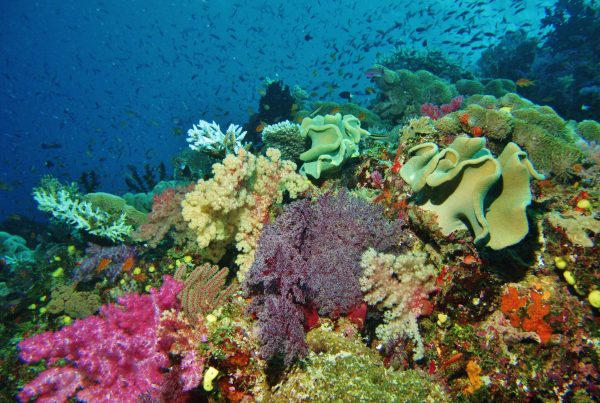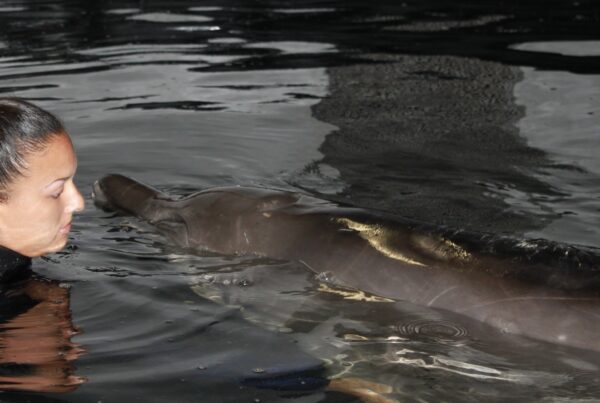

The Kingdom of Tonga is a Pacific Island nation whose communities depend heavily on marine and coastal ecosystems for food security, livelihoods and cultural identity. The major income sources for Tongan women are heavily concentrated in the informal economy, particularly in handicraft production, small scale agriculture and marine aquaculture. Coral reefs, lagoons and coastal fisheries provide essential resources that support both subsistence and economic activities.
Indigenous women play a critical but often under-recognised role in managing and protecting these ecosystems. Through traditional ecological knowledge, community leadership and livelihood initiatives, women contribute significantly to sustainable fisheries, marine conservation and climate resilience.
Vava’u is a stunning, northern island group in the Kingdom of Tonga, widely considered the country’s tourism and maritime hub. Vava’u consists of one main Island “Utu” and 40 smaller islands surrounded by deep, sheltered waterways, making it a fjord-like tropical paradise. It is also known as the heart of local pearl farming.
Pearl farming in Tonga
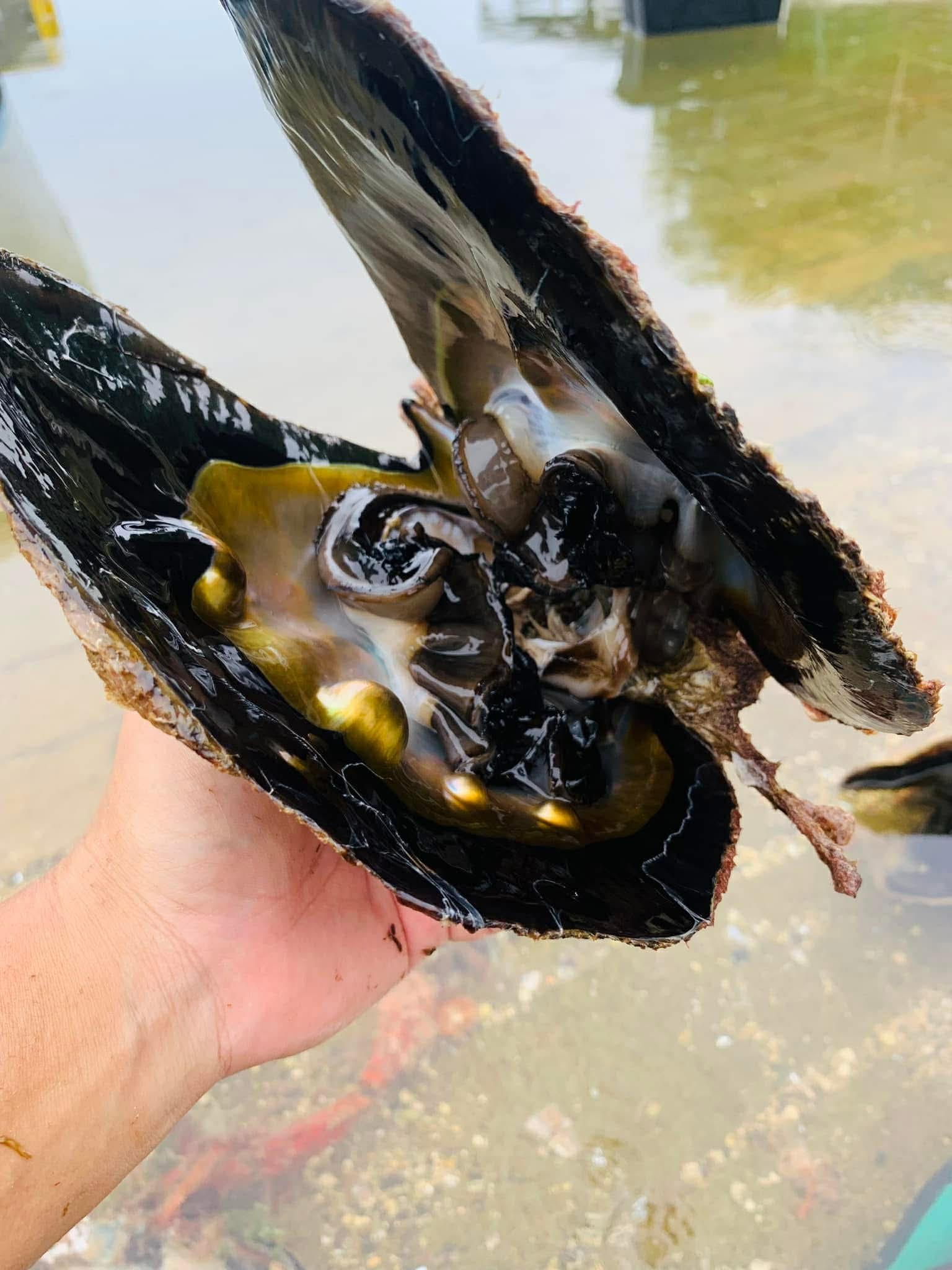
The Tongan pearl farming industry differentiates itself from other Pacific pearl producing nations as it produces the mabé, or half pearl. These cultured pearls are dome-shaped, as the nucleus of the pearl is placed onto the inner shell of the Winged Pearl Oyster (Pteria penguin), so it develops with a flat back. Mabé pearl production doesn’t need as much technical knowledge or as much initial investment as other kinds of pearl production, making it an attractive option for income production for women in Tonga. They also don’t take as long to develop, but still produce pearls that are high in value, lightweight and non-perishable. Culturing pearls is compatible with traditional lifestyles, as it helps to preserve marine environments whilst also providing opportunities for income generation.
The story of Faka’anaua Lākai
Faka’anuau Lākai started pearl farming as her family’s main source of income after the challenging experience of becoming a single mother of five. As she navigated her life out of this breakdown moment, she decided to return to Vava’u from the main island of Tongatapu in search of a better life.
In 2019 she started pearl farming and making jewellery from the pearls, as well as teaching these skills to other women in the community. As she continued this work, she started making other jewellery from seashells, developing a variety of techniques.
The process of pearl farming
Mabé pearl farming begins by collecting spats (baby oysters) then nurturing them to maturity, which includes cleaning, spacing and grading the oysters in special nets. This is done in the middle of Vava’u wharf. After a year or two, if the oyster looks healthy and has reached the desired size, then it is time for seeding – gluing a small nucleus on the inside of the shell so that the oyster will cover it in mother of pearl. The longer you leave the oysters in the ocean after seeding, the better the quality, and it can take 3-5 years of farming the pearl before it is ready for harvesting.
If Faka’anaua needs money urgently, she can sell the matured pearls at this stage to other jewellery makers or buyers. When she makes her own jewellery, she can schedule time to use the community workshop, where she cuts the mother of pearl off with a trip saw, uses a diamond wheel to grind off the outer part of the shell, and then files down the edges. Then the mother of pearl is soft and cuts easily, needing only a polish to clean off the dust before being placed into the jewellery design. The finished pieces are taken to various local retailers where they are sold.
Faka’anaua is a member of the Vava’u Pearl Association, where she sells her jewellery and offers free tours to educate visitors on how the pearls are grown, harvested and designed. Mabé pearl farming not only improved her life but also empowered her as a woman and mother, giving her a sense of pride and security for her family’s future.
“Pearl farming has been a life-changing experience for me and women in my community,” says Faka’auau.
Economic and ecological benefits of pearl farming
Mabé pearl farming provides economic opportunities while also encouraging environmental conservation and community involvement.
The income earned from mabé pearl farming has given Faka’anaua greater financial independence, as she can provide for her children’s needs, including food, education, healthcare and other household expenses. It also increased her confidence and strengthened her position within the community, as she has built valuable relationships with other pearl farmers, participated in community activities, and become recognised for her hard work and contribution to local economic development.
Women like Faka’anaua who are involved in mabé pearl farming are not only income earners but also stewards of coastal resources. The success of pearl farming depends on healthy marine ecosystems, so through their daily work, they monitor water quality, protect lagoon habitats, and promote the sustainable use of marine resources that support pearl growth. Many women farmers apply traditional ecological knowledge to manage farming areas responsibly, ensuring that pearl production does not harm the surrounding environment.
For women such as Faka’anaua, pearl farming has also enabled her to participate in community decision-making, advocating for the protection of the marine ecosystems that sustain their livelihoods. This demonstrates how women’s economic empowerment through mabé pearl farming is directly linked to their role as custodians of Tonga’s marine and coastal environments.