

The community of Muyot in the barangay (village) of Happy Hallow, Baguio City, has been home to the indigenous Ibaloys for generations. The original inhabitants and their descendants cared for the land, forests, and pasturelands for their survival. The community continues to uphold indigenous values, beliefs, and practices regarding the environment, land, resources, and community relations.
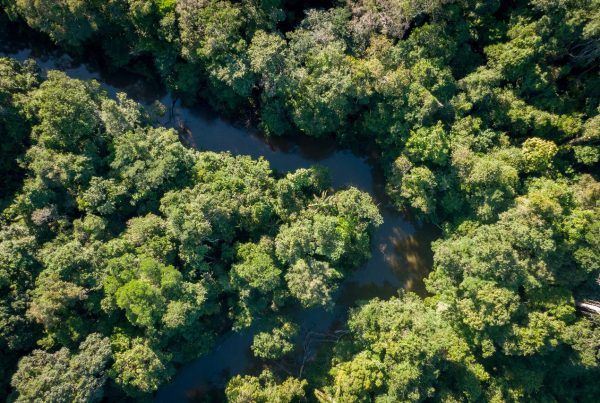
The people of Muyot consider the forest crucial to their survival and have established traditional practices to protect the forest and use its resources wisely. Thanks to the community’s efforts, Muyot is one of the few areas in the highly urbanised Baguio City where the forest is preserved.
In recent years, it has become increasingly difficult for the community to protect its land due to environmental and economic challenges. The growing population of Baguio has led to encroachment into the community forest areas, resulting in increased deforestation and biodiversity loss.
The community also faces declining water supply due to mining activities in neighbouring communities and the impact of climate change. The decrease in water supply has significantly affected their livelihoods, leading to a shift from rice production to vegetable gardening, impacting their food system and self-sufficiency.
In response to these challenges, the Muyot community and Partners for Indigenous Knowledge Philippines (PIKP), with technical assistance from Bukluran (the Philippine ICCA Consortium), established a community-based monitoring and information system. The main goal of this initiative is to document the community’s traditional knowledge, and use it to develop a community conservation plan and establish a monitoring and information system.

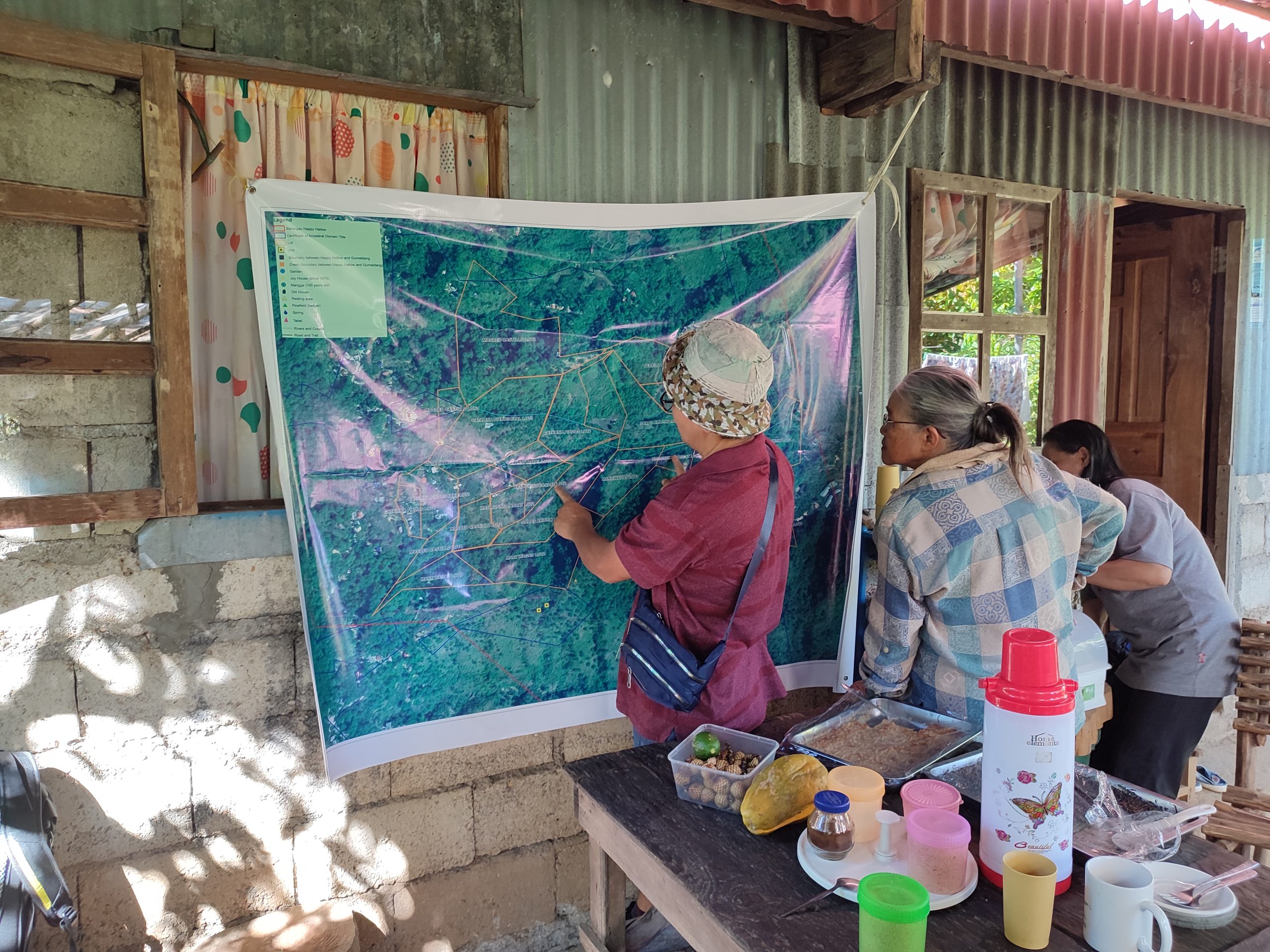
Community-based participatory mapping to document land use, indigenous practices, and traditional occupations. Credit: PIKP.
Author
- Partners for Indigenous Knowledge Philippines (PIKP)
Ecosystems
- Tropical forests
Topics
- Mapping and Monitoring
Type
- Short-form
Date
- This case study was published in July 2024 in the report The Philippine Indigenous Peoples Biodiversity Strategy and Action Plan (IPBSAP).
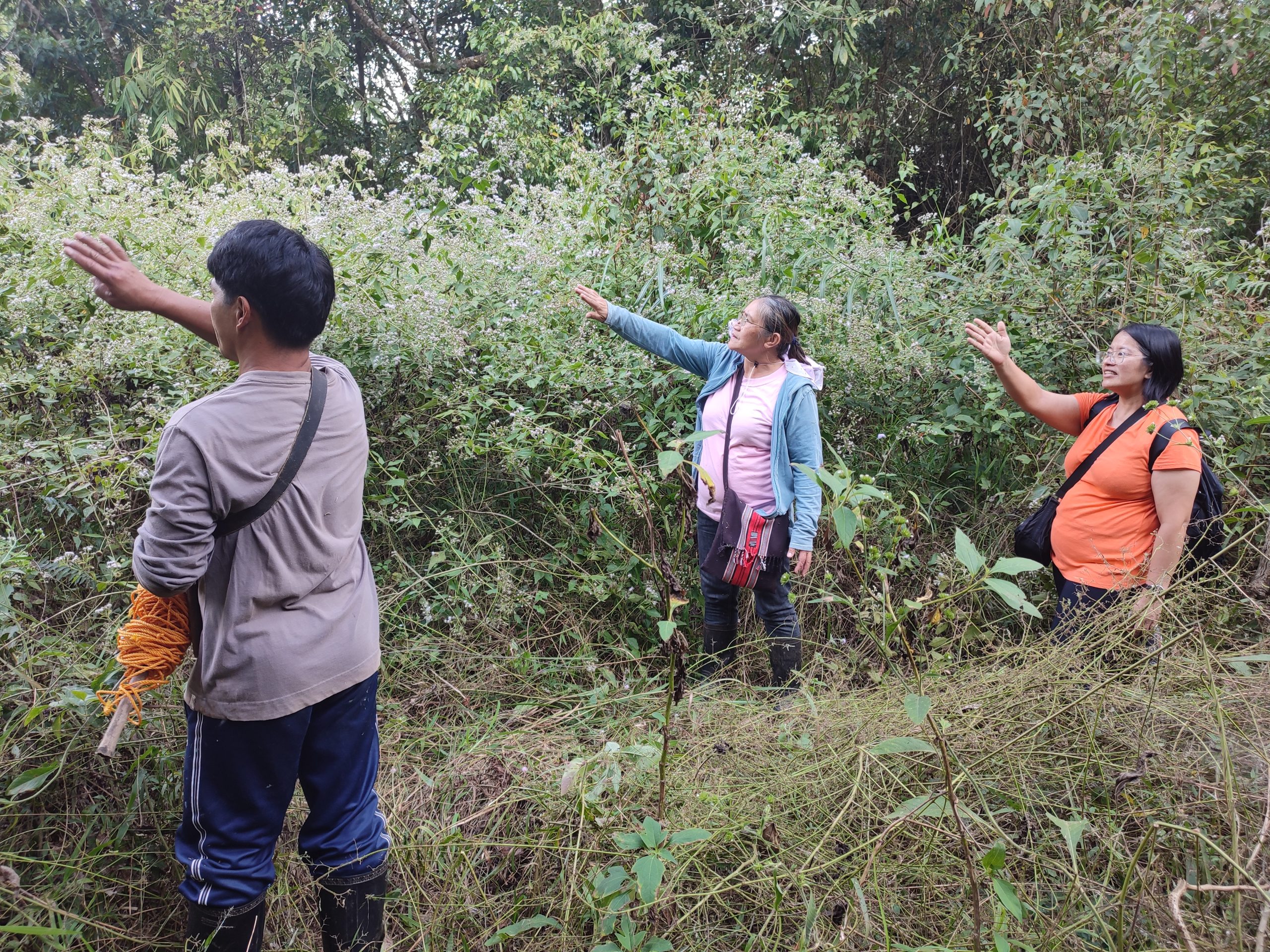
Community-led fieldwork to document flora, based on local knowledge and other techniques. Credit: PIKP.
A series of data-gathering activities was conducted to document changes in land use, the state of indigenous practices, and traditional occupations.
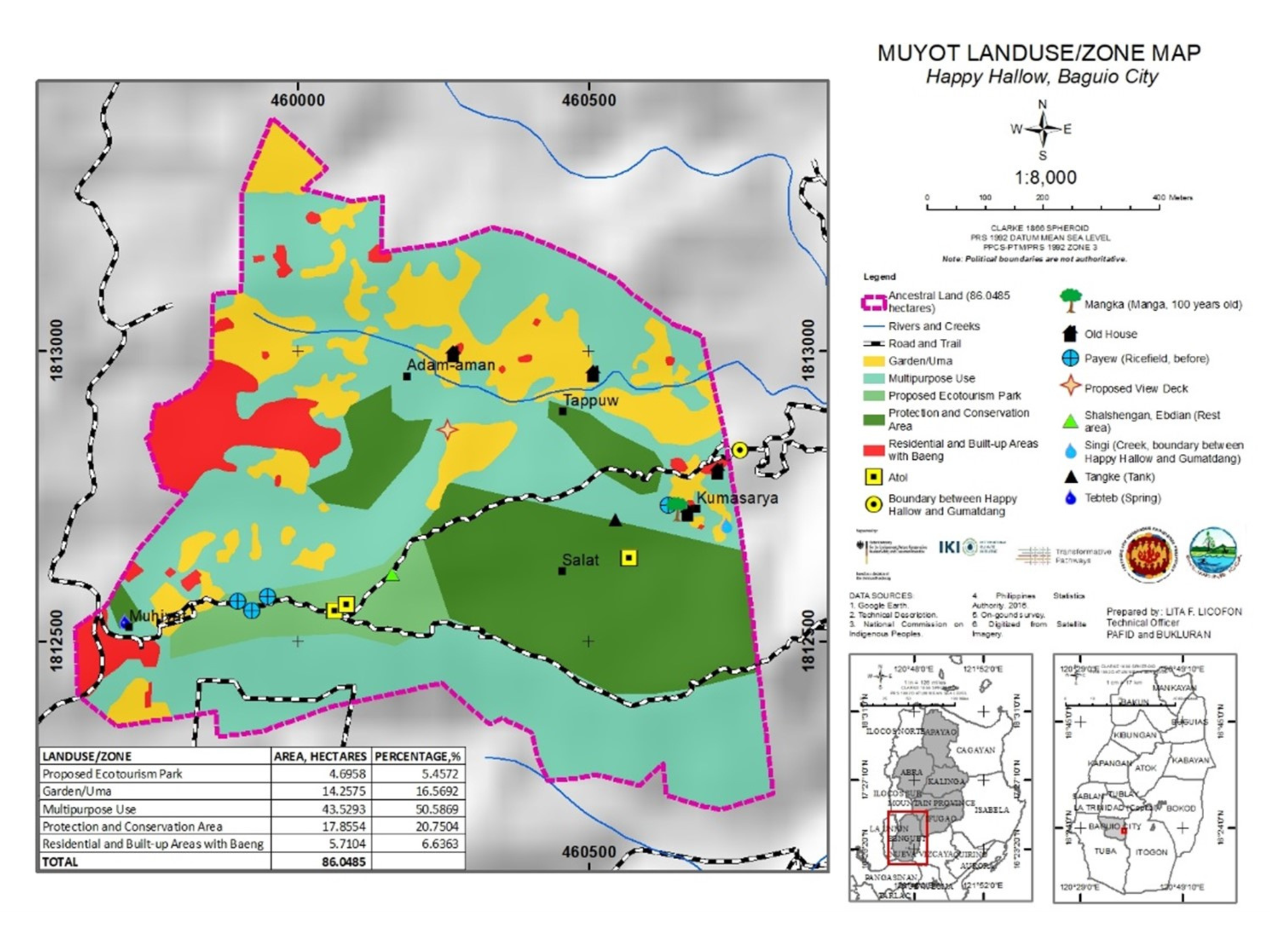
Participatory mapping showed current land use, forests, agricultural lands, residential lots, significant cultural sites, ancestral land claims, water sources, and target conservation areas.
A resource inventory was taken to gather information on the community’s flora, revealing that the community is still rich in biodiversity.
The involvement of elders, women, and youth was ensured throughout the process.
All the information gathered will be used to guide the community’s conservation and development plans, which will form part of the broader sustainability planning initiated by the local government of Baguio.
In the face of rapid urban development, the Muyot community demonstrates the importance of preserving indigenous peoples’ traditional knowledge, values, and practices to conserve the land and resources for future generations. By combining traditional knowledge with innovative tools and approaches, the community can develop an effective plan that meets the needs of the people while safeguarding natural resources.
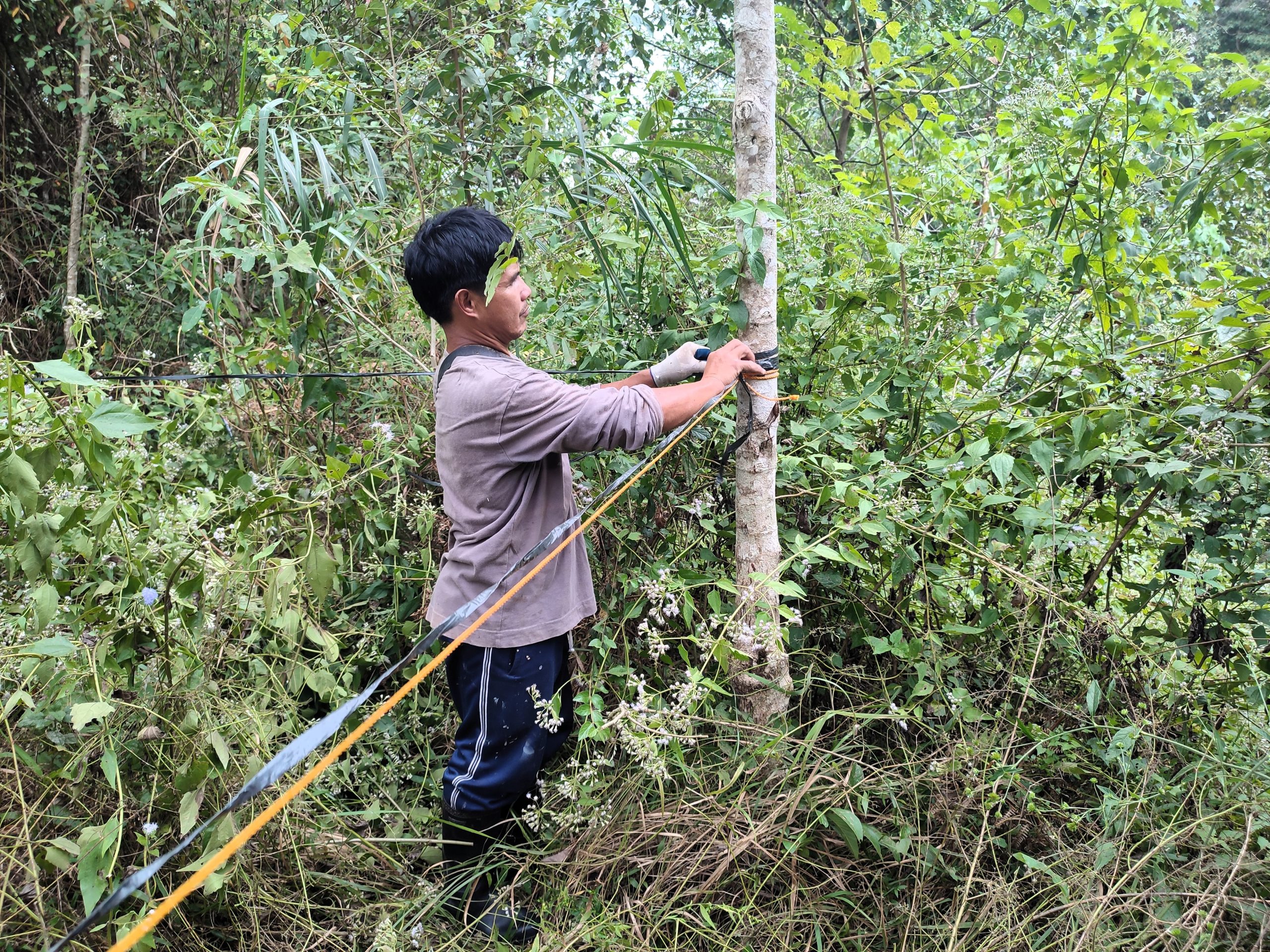
Use of transects as an assessment technique. Credit: PIKP.
Land-use map of Muyot, Happy Hallow. Credit: PIKP.