
“Yahai diti okon nopo manamong no linsou om tana, nga momogompi yahai do woyo koposion om kosulimbangan do tulun om posorili sandad. Sokiro onuan do kotumbayaan do momogompi tana, kaanu yolo do moningolig kopogisuusuayan toilaan koposion, popotulid do kooturan taakanon om papaharo koposion poingompus kumaa sinakagon,” says Anjelen Daransun, the founder of Kokoriu.
“Our community does not simply care for seeds and land. We care for a way of life and for the balance between people and nature. When communities are trusted to care for their lands, they can protect biodiversity, strengthen food systems, and create sustainable livelihoods for future generations.”
Anjelen Daransun, Founder, Kokoriu
In Sabah, Malaysian Borneo, Indigenous Dusun women are safeguarding biodiversity through practices that honour tradition while embracing innovation. Whether through conserving heirloom seeds, caring for community forests, or creating sustainable enterprises from locally grown herbs, they demonstrate that biodiversity conservation is woven into their everyday life.
The experiences of the Kokoriu and DumoWongi initiatives illustrate two complementary pathways for sustaining biodiversity. One focuses on safeguarding seeds, land, and traditional knowledge systems. The other shows how Indigenous knowledge can continue to evolve through innovation, enterprise, and Indigenous women’s leadership.
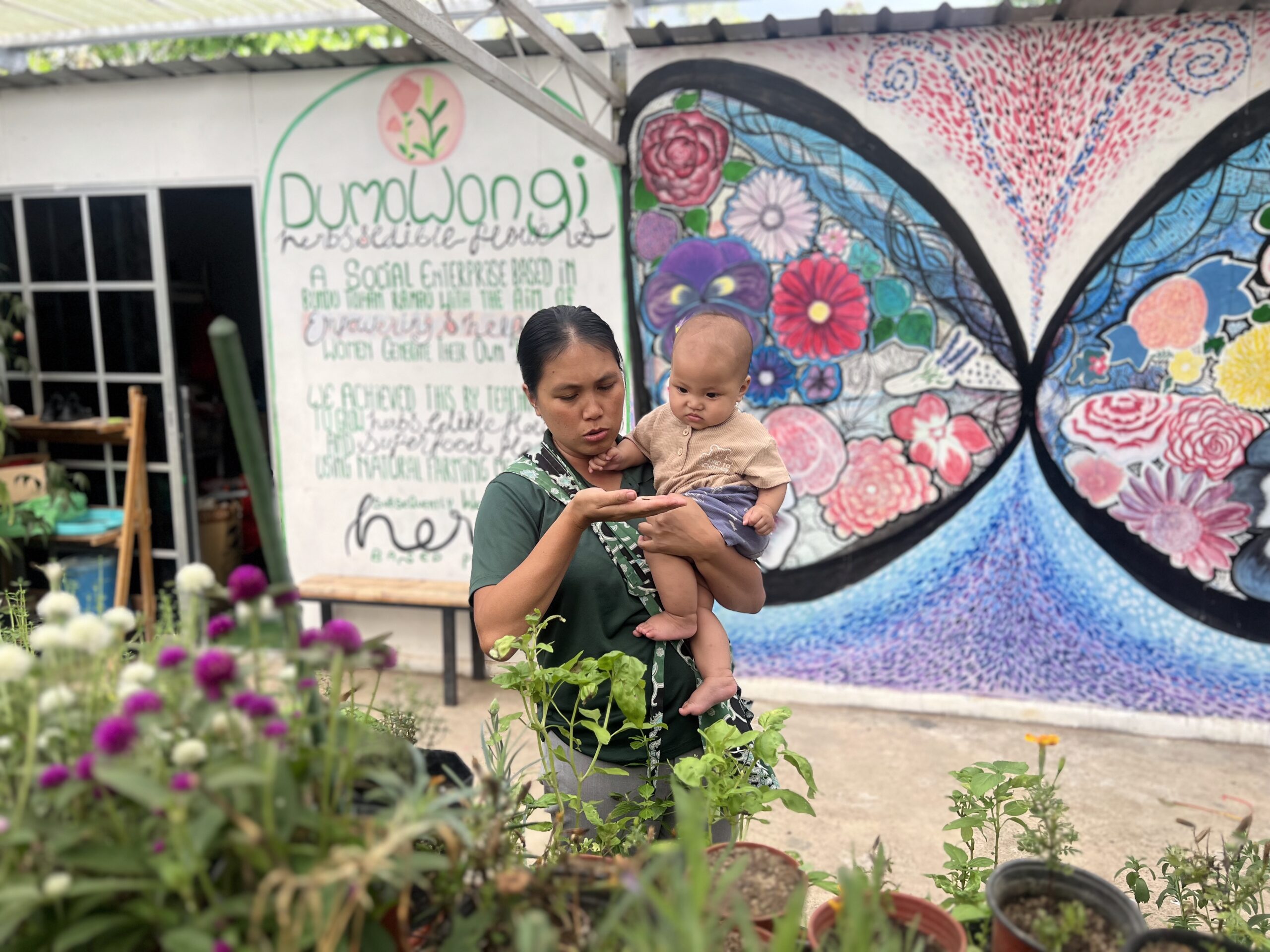
Caption: Irene Mositol, founder of DumoWongi, holding her daughter. Through her work, she is helping to create opportunities for women while ensuring that knowledge, values, and practices that support biodiversity continue to be passed on to future generations. Credit: Alice Mathew
Kokoriu: safeguarding seed varieties
Nestled in the hills of Tamparuli, Kampung Tiong Karanaan is a Dusun community where caring for land, seeds, and forests remains closely tied to community wellbeing. Decisions about what to plant, what to harvest, and what to conserve are guided by the knowledge and values that have been carried across generations.
Kokoriu, meaning “supply” in the Dusun language, emerged from the commitment to food sovereignty, seed stewardship, and collective responsibility. Working with smallholder farmers, women, and youth, the initiative strengthens community resilience through agroecology, seed sovereignty, leadership development, and local enterprise.
At the heart of Kokoriu is a community seed bank that serves as a community learning space, conservation facility, and platform for knowledge exchange. Through the seed bank, community members help identify, collect, regenerate, and safeguard traditional seed varieties that are increasingly disappearing from local farming systems.
The seed varieties conserved through Kokoriu include traditional crops, vegetables, herbs, and locally adapted varieties that have sustained communities for generations. These plants represent not only biodiversity, but also food heritage, cultural memory, and local resilience.
Seed exchange is equally important. Communities regularly exchange seeds to maintain diversity and ensure that traditional varieties are not lost in the hands of a single farmer or family. By sharing seeds, communities help extend the life of these varieties. If one farmer is no longer able to cultivate a particular crop, others can continue planting and conserving it. Beyond conserving biodiversity, these exchanges also strengthen relationships between communities and create opportunities to share knowledge, experiences, and farming practices.
Kokoriu’s work is guided by the Dusun principle of gompi guno, meaning “use and care.” This philosophy recognises that people and nature are interconnected, and that the sustainable use of natural resources must go hand in hand with their conservation. It shapes how land is managed, how forests are protected, and how food is produced within the community.
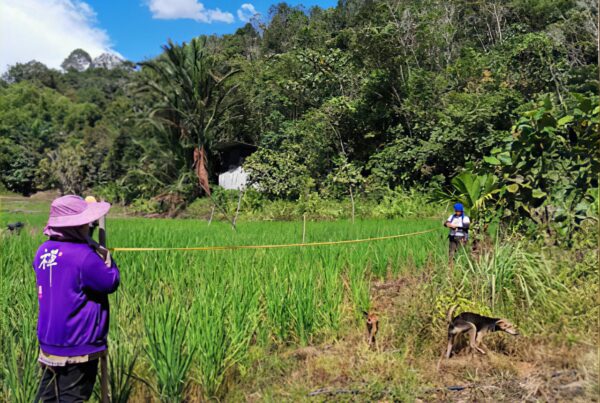
Preserving sources of food and water also means protecting the forests and watersheds that sustain them. Guided by this principle, the community protects approximately 77 hectares of forest, including 27 hectares of watershed areas passed down through generations. Sacred sites remain undisturbed, water catchment areas are maintained as community forests, and land use is carefully managed to support both people and nature.
The experience of Kokoriu also offers a perspective on the role of community seed systems in conserving agricultural biodiversity. For the community, seeds are not commodities alone.
They are living repositories of heritage and values that have been nurtured across generations. The continued practices of saving, exchanging, and regenerating seeds demonstrates how Indigenous communities contribute to maintaining crop diversity and associated knowledge systems.
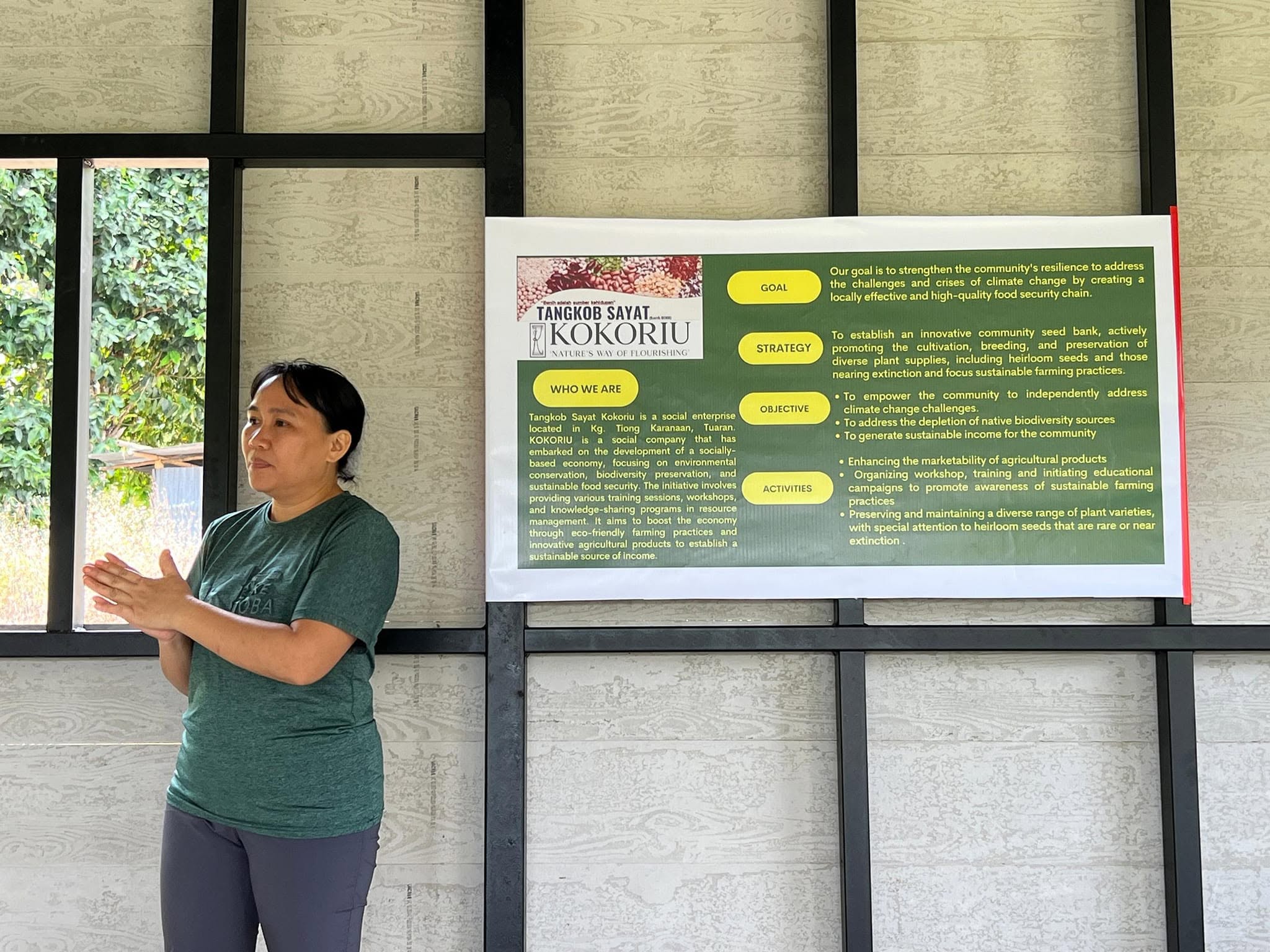
Caption: Anjelen Daransun, founder of Kokoriu, presenting her community's efforts to conserve traditional seeds and strengthen food security through Indigenous knowledge, stewardship, and sustainable farming practices. Credit: Kokoriu
DumoWongi: traditional knowledge and innovation
Although they take slightly different approaches, both initiatives are rooted in Indigenous knowledge and community wellbeing. Kokoriu focuses on strengthening seed sovereignty and community stewardship, while DumoWongi demonstrates how traditional knowledge can support innovation, sustainable production, and opportunities for women.
Located in Bundu Tuhan, a highland community near Mount Kinabalu, DumoWongi began with a simple idea: what if locally grown herbs could create new opportunities for women while promoting pesticide-free farming?
Established in 2019, DumoWongi, meaning “a pleasant-scented farm” in Dusun, has grown into an Indigenous women-led social enterprise that combines sustainable production with innovation. What began as a small initiative has evolved into a network of more than 30 women herb-growers who cultivate herbs, edible flowers and other crops from their own homes and small gardens.
The initiative provides women with training, planting materials, and ongoing support in sustainable cultivation practices. Women then grow crops within their own spaces, allowing them to generate income while balancing family and community responsibilities. Once harvested, the produce is collected and processed into a range of value-added products, including fresh herbs, herb salts, dried herbs, superfood powders, and edible flowers supplied to local markets.
This community-based model has enabled DumoWongi to create livelihood opportunities for women while strengthening local food systems. By connecting growers through a shared enterprise, the initiative demonstrates how biodiversity can support sustainable livelihoods and women’s economic empowerment.
DumoWongi also demonstrates how Indigenous knowledge can continue to evolve in response to changing opportunities and markets. The initiative works with both locally known plants and introduced herbs, combining Indigenous knowledge, sustainable farming practices, and entrepreneurship. Through experimentation and product development, plants are transformed into a diverse range of products, creating new economic opportunities while promoting sustainable consumption and production.
Innovation is not separate from tradition. Instead, it builds upon it. Whether through cultivating local species, introducing new crops, or developing value-added products, DumoWongi demonstrates how Indigenous women are adapting knowledge and practices to meet contemporary challenges while remaining connected to the values that have long guided their relationship with the land.
Together, Kokoriu and DumoWongi demonstrate that biodiversity conservation is not only about protecting nature. It is also about supporting the people, knowledge, and relationships that make conservation possible. Through seed stewardship, sustainable production, and women’s leadership, they show how Indigenous knowledge continues to generate solutions for both communities and biodiversity.
“Toilaan ih pinotongkus mantad komolohingan dahai iso tadon dot popogirot piompinaian dot tulun dahai. Baino diti, potilombuson dahai poingompus toilan tungkus diodu aki id ralan wagu – takanon di tinanom dahai om kakamot koubasanan ie nowonsoi dahai, pointalangon dahai kumaa konduan do popogirot kopoposion kumaa konduan.”
“The knowledge of our mothers and grandmothers has always helped our communities thrive. Today, we are carrying that knowledge forward in new ways, through the food we grow, the products we create, and the opportunities we build for other women.”
Irene Mositol, founder, DumoWongi
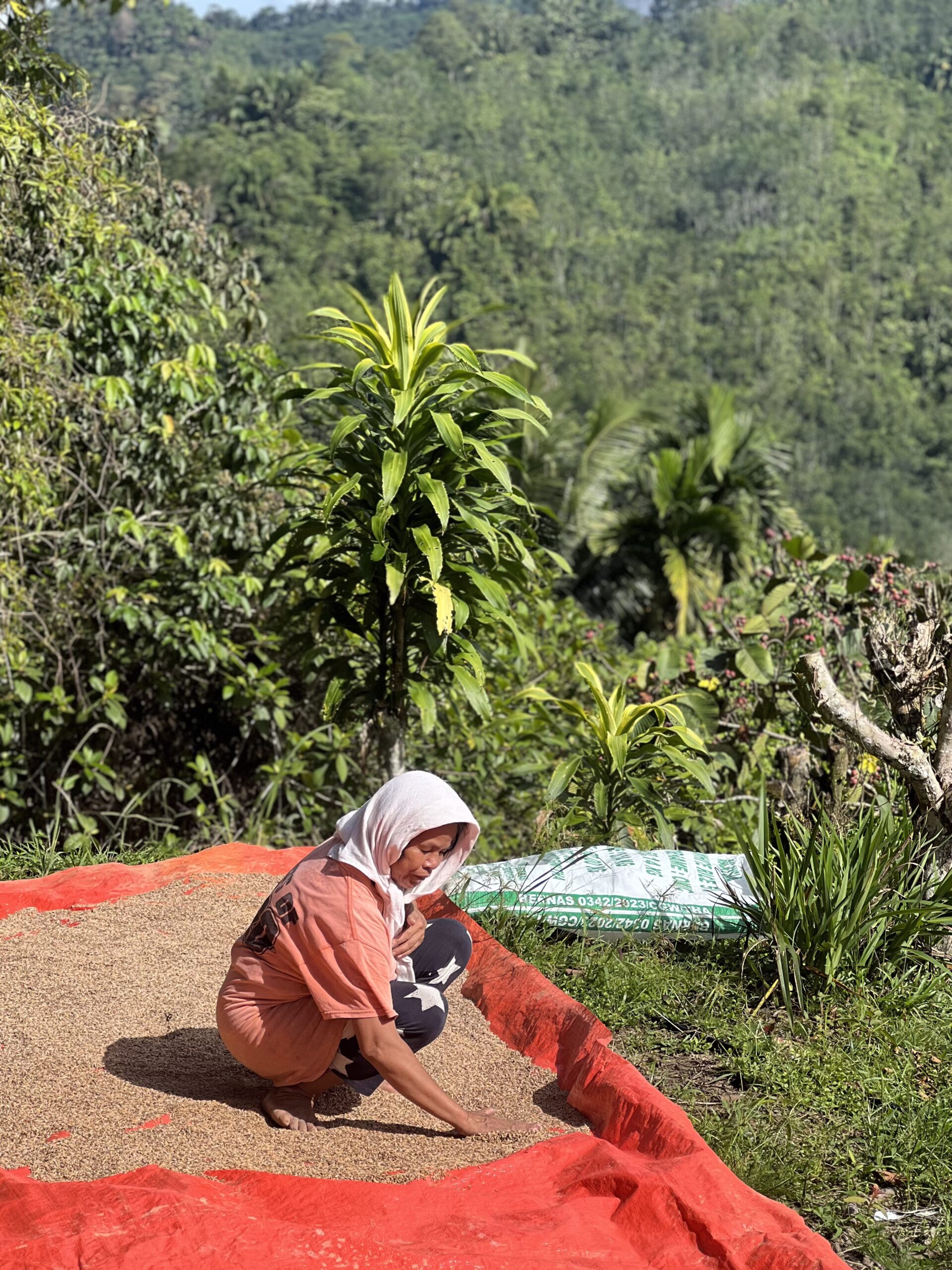
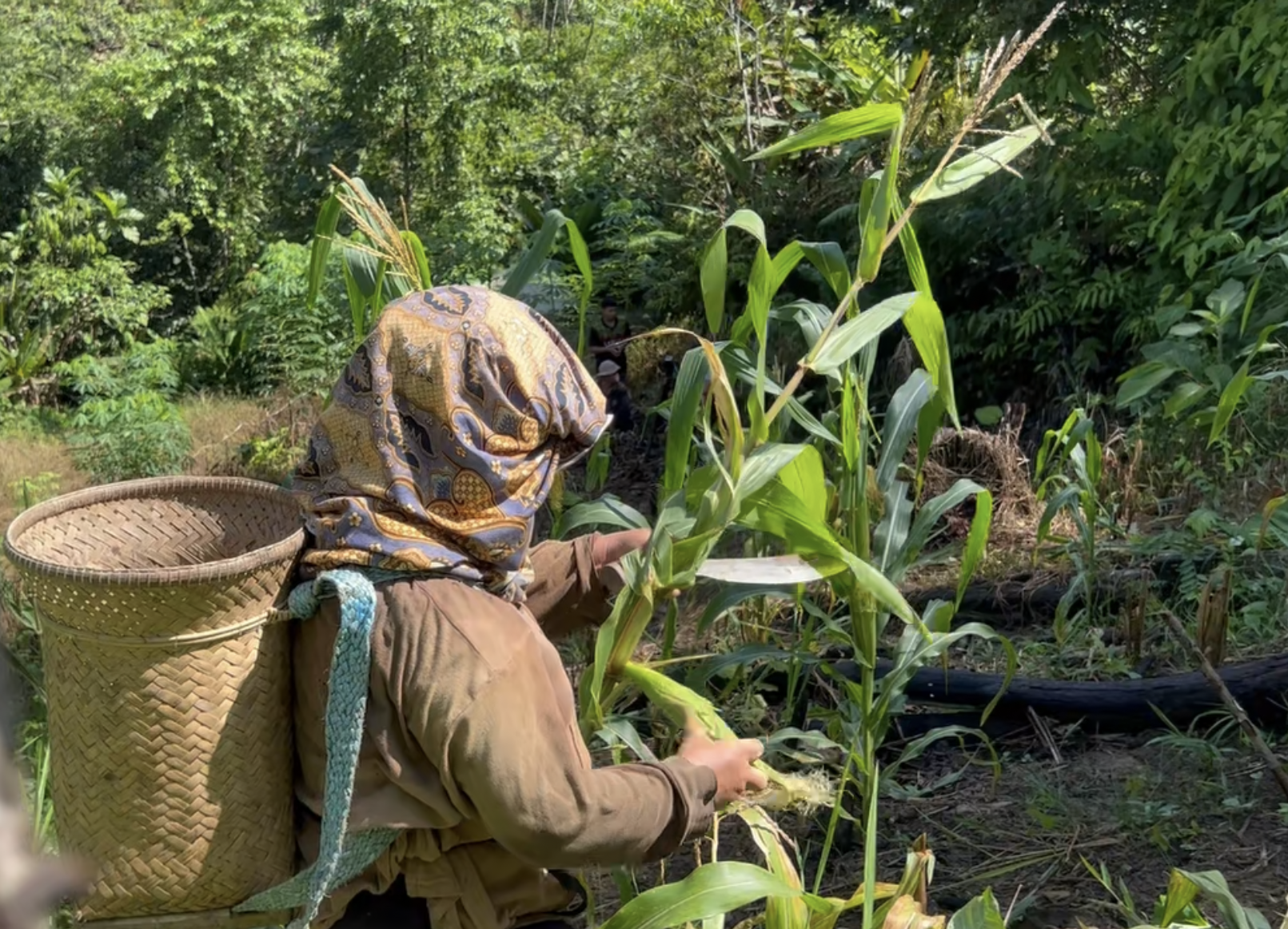
Caption: Behind every harvest is a wealth of knowledge. Indigenous women continue to sustain the seeds, skills, and traditions that support biodiversity and community resilience. Credit: Alice Mathew