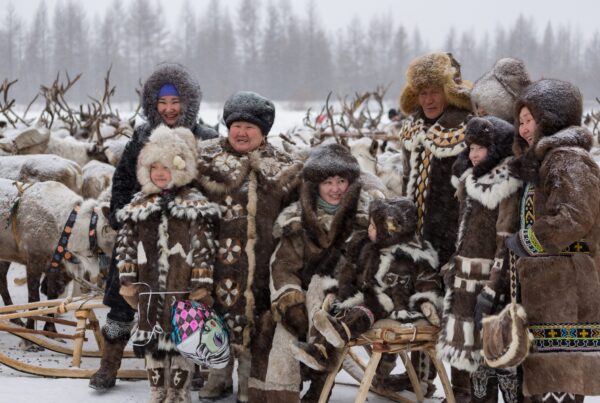

Seeds have always been a focus of cultural and spiritual identity for Kyrgyz people. Although Kyrgyzstan was a large source of food production in Soviet times, after the regime collapsed, the country started to import seeds, often first-generation hybrids which are expensive and mean farmers need to buy them again each year. In an attempt to move away from this reliance on imported, expensive seeds, women’s groups have been reviving their relationship with local seeds in line with the cultural values of Kyrgyzstan people, invoking the spirit of living harmoniously with nature.
Seeds as the living memory of the earth
In 2015, the Seed Keepers Network was established throughout Kyrgyzstan — a community of people united by the idea of preserving local varieties of plants and passing on traditional knowledge to future generations. Today, 90% of its members are women. It is they who carefully select the best plants, preserve seeds using traditional methods, and continue the line of folk breeding that has developed over decades. Thanks to their daily work, agricultural biodiversity is preserved and the connection between generations of farmers is maintained.
The network’s main goal is to preserve and revive local seed varieties, prevent their extinction, and pass on living knowledge about agriculture. This is not just about agriculture, but also about culture, taste, memory, and food sovereignty. Preserving traditional seeds also plays a vital role in adapting agriculture to climate change, as local varieties are better suited to the region’s natural conditions.
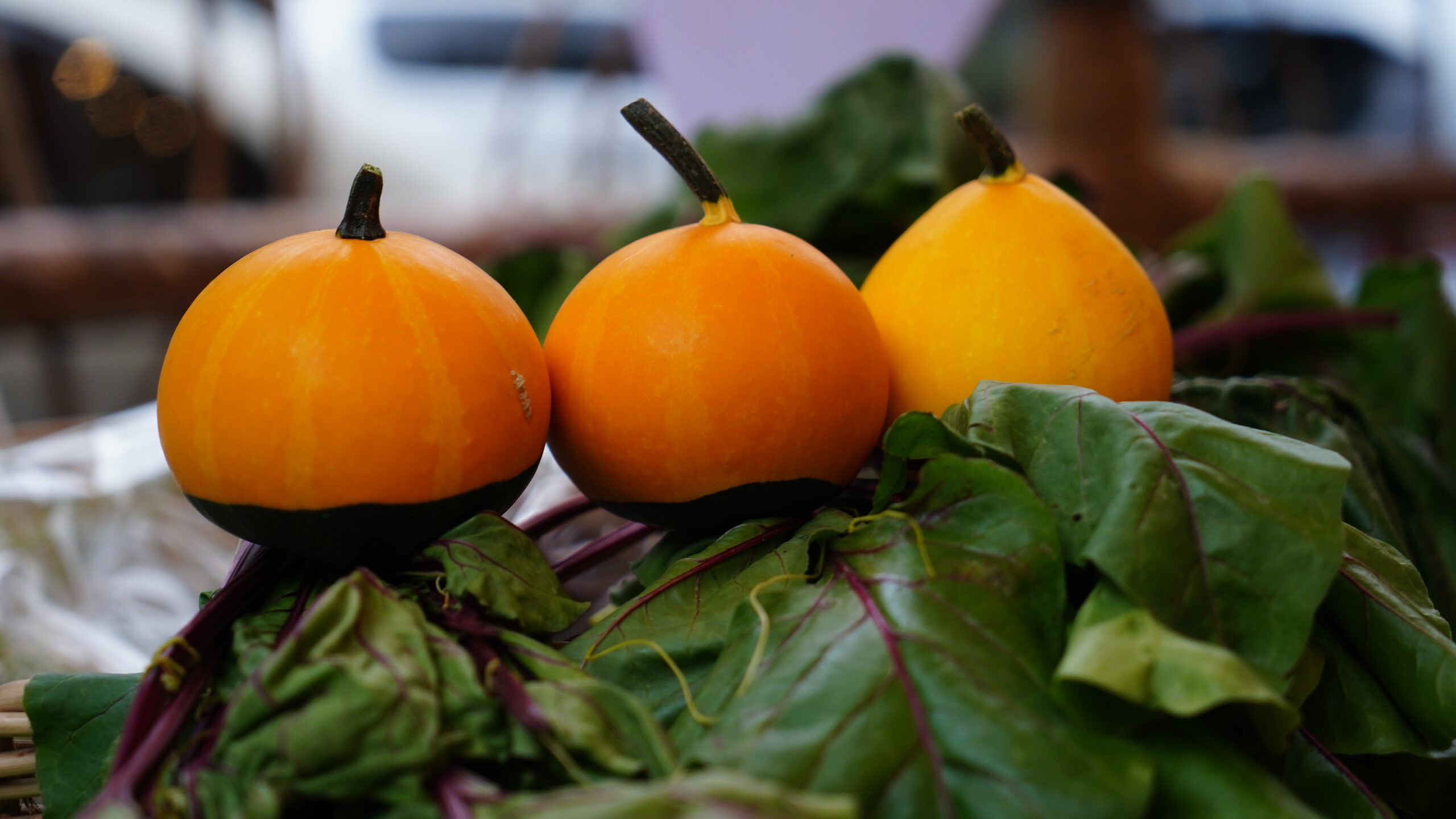
Caption: Exhibition of unique local vegetable varieties conserved and multiplied by the Dyikan Muras Seed Keepers Network. Credit: Madina Sadirdinova
Traditional varieties as the foundation of resilience
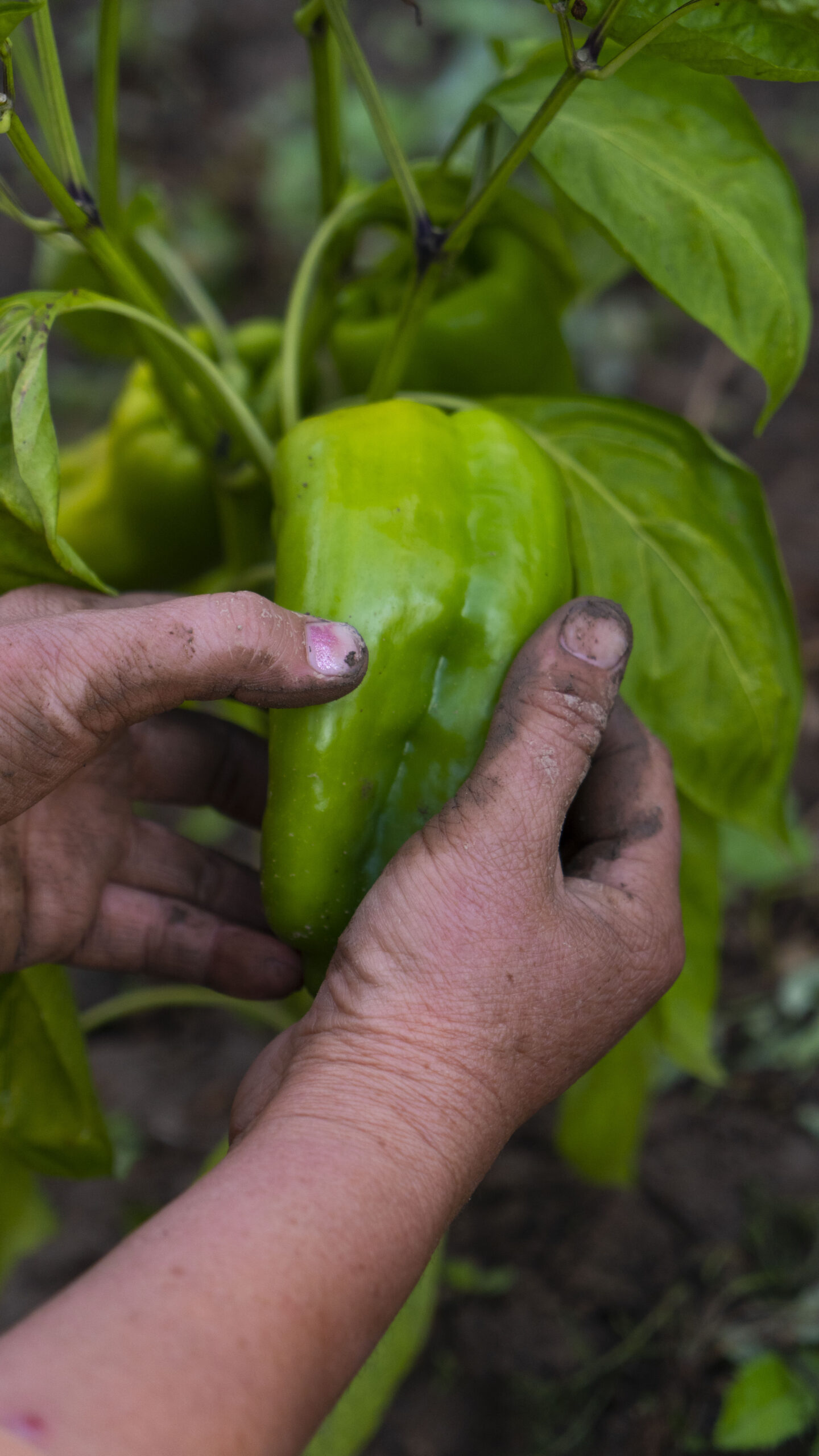
Local varieties are the result of farmers’ many years of experience and observations. They have evolved under specific natural conditions, making them better adapted to the climate, resistant to drought and temperature fluctuations, and distinguished by their rich flavor and high nutritional value. Unlike hybrid varieties, these seeds can be saved and replanted by farmers themselves without losing their quality.
Preserving and growing traditional varieties helps maintain agricultural biodiversity and makes food systems more resilient to climate change and environmental risks.
Dyikan Muras — A school of practice and continuity
Since 2016, the Dyikan Muras (Farmer’s Heritage) association has also been actively engaged in seed production. Members grow local vegetable varieties on their plots, harvest seeds in the fall, and contribute them to a communal seed bank. They regularly attend classes led by agronomists, receive guidance, and hone their skills by combining traditional knowledge with modern agroecological approaches.
Over time, interest in local produce began to grow. People noted its natural taste—familiar, “just like in childhood.” This enthusiastic response became the foundation for creating a group, and later a school, where for several years now young farmers have been taught the basics of agriculture and seed production, passing on knowledge about preserving local varieties and treating the land with care.
The Principle of Zero-Waste Production
Some members of the network organise their work around the principle of zero-waste production. The cycle begins with a seed, from which a vegetable grows. After the seeds are harvested, the rest of the crop is used for processing and food production, and the organic residues are returned to the soil as compost.
Seeds—vegetables—product—soil—seeds again: this approach minimises waste, preserves soil fertility, and builds a sustainable local production system. It is both an ecological practice and a contribution to soil restoration and the sustainability of agroecosystems.
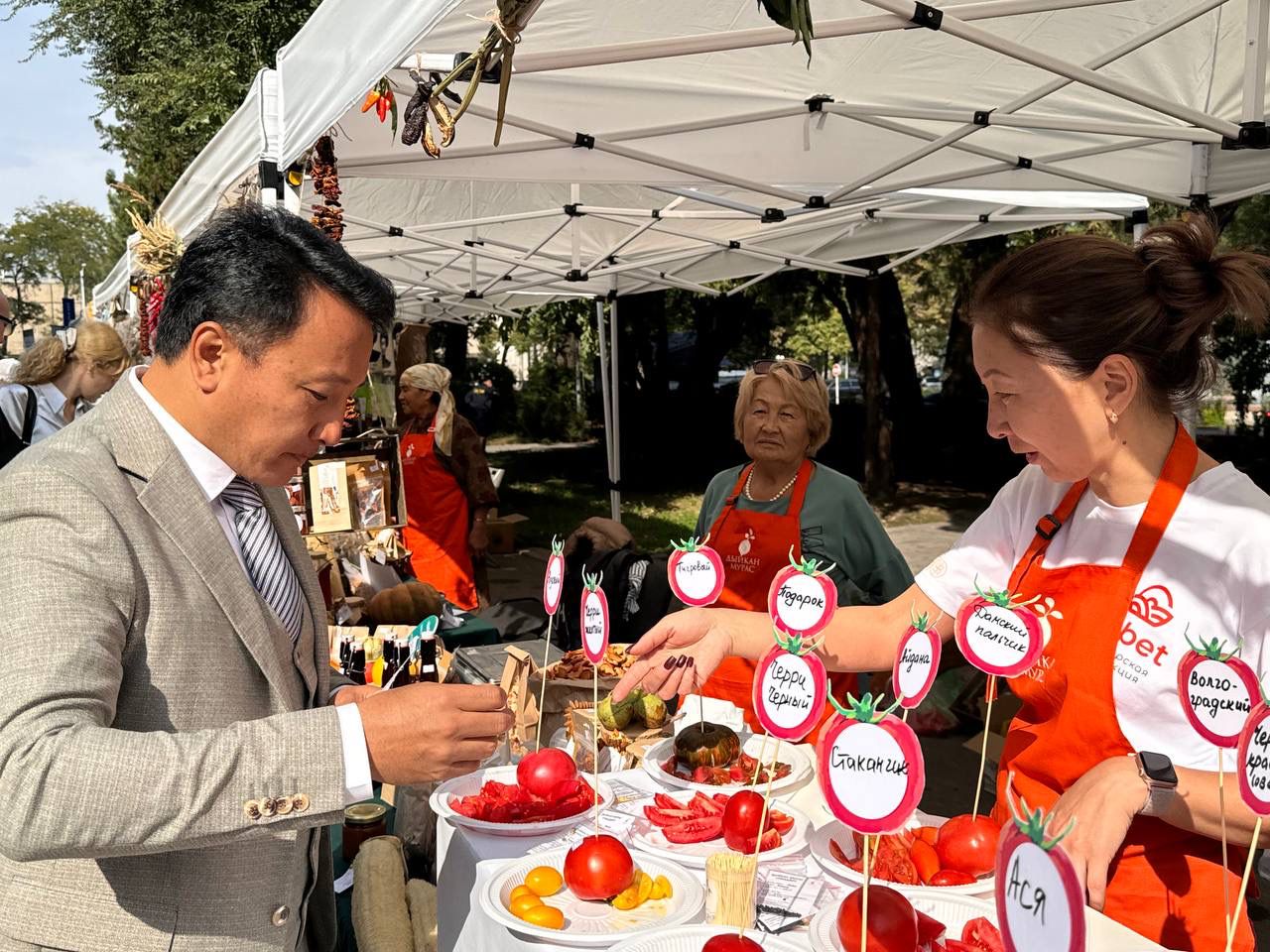
Caption: Annual Tomato Fest organised by the Dyikan Muras Seed Keepers Network, where consumers participate in blind tastings of different local tomato varieties to identify the most preferred taste and promote the conservation of agricultural biodiversity. Credit: Madina Sadirdinova
Seed fairs and community support
During the harvest season, vegetable fairs and “Seed Fairs” are held. At these gatherings, other gardeners can obtain local seeds, exchange experiences, and join the seed-saving movement.
Participants also sell their produce at local markets and fairs, and some of the produce is grown to meet individual orders. This creates a direct connection between producer and buyer, based on trust, quality, and respect for local products.
Seed saving as a mission
For the network’s members, this is not just a job or merely a source of income. It is a conscious mission to preserve heritage for future generations and protect crop diversity.
Seeds are more than just an agricultural resource. They are the memory of the land, the history of a people, and the foundation of food security. Thanks in large part to the work of women, local varieties are preserved, biodiversity is maintained, and sustainable agriculture is developed—agriculture capable of responding to the challenges of climate change.