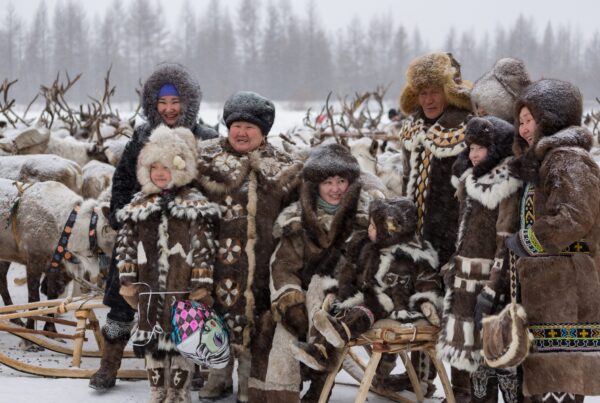

The traditional way of life of all Indigenous Peoples is not a relic of the past, but rather a living and evolving system with significant economic, cultural, environmental, and social potential. This is precisely why the traditional practices of Indigenous Peoples are increasingly becoming the foundation for the sustainable socioeconomic development of the territories where they live.
For a long time, the economic activities of the Indigenous Peoples of the North – such as traditional fishing, reindeer herding, hunting, gathering, and dog breeding – were viewed as outdated practices incompatible with modern economic systems. However, the reality of traditional practices in Indigenous communities today highlights their deep sustainability and adaptation to local ecosystems and biodiversity, as they possess knowledge of the environment accumulated over generations.
Their methods of resource use, including for social and economic development, are based on careful observation, adaptation to change, and respect for natural limits. This makes them particularly relevant today, when other approaches often lead to overexploitation and ecological imbalance. This is precisely why the traditional activities of Indigenous Peoples can serve as the economic foundation for remote northern settlements.
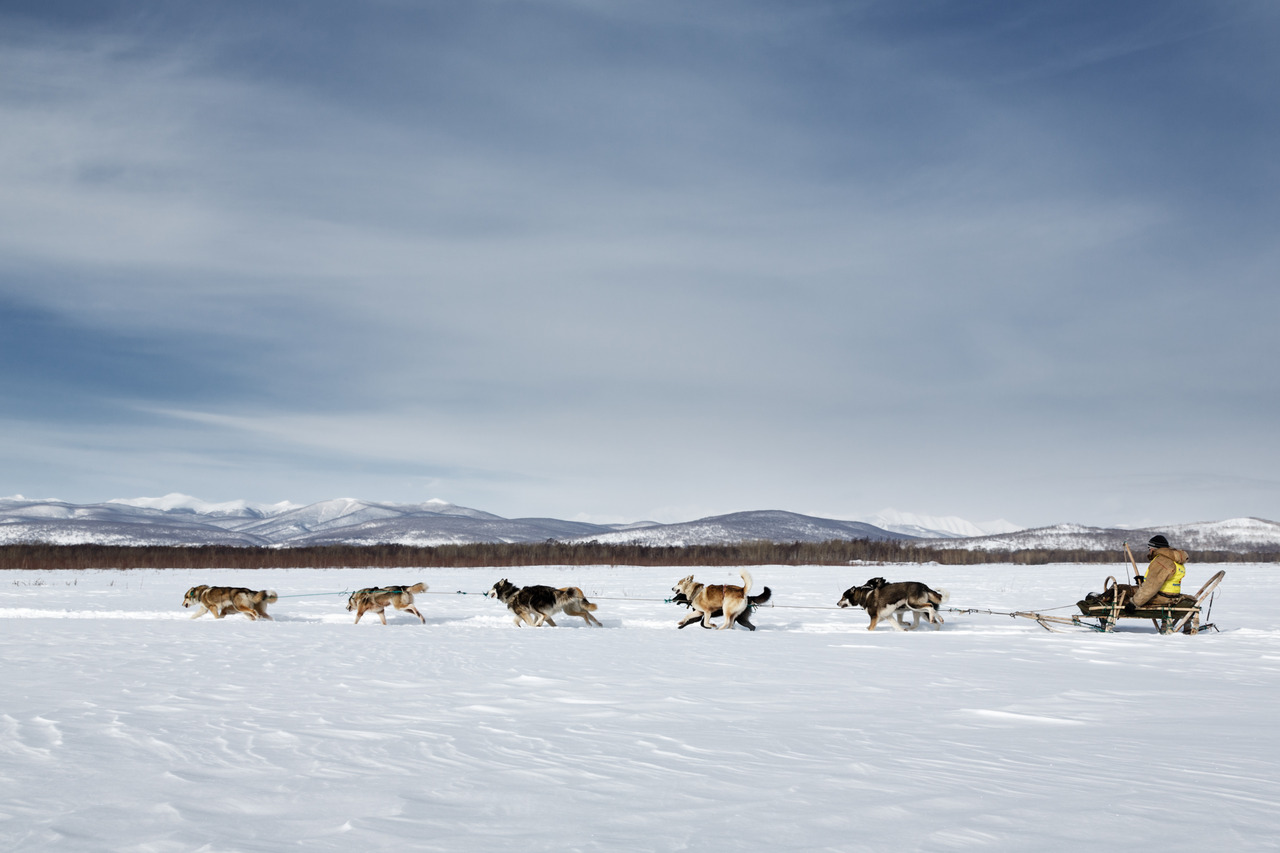
Reviving traditional dog-sledding practices in Kamchatka Peninsula
For example, the Indigenous communities of the Kamchatka Peninsula are a clear example of how traditional economic activities can be combined to promote the socioeconomic development of the region and the Indigenous Peoples living there.
Some communities have kennels where they breed Siberian Huskies to promote the traditional activity of dog sledding, and have also organised a school to teach local children and visiting tourists how to drive a sled (mushing). Typically, their staff participate in dog sled races, and the kennels also feature ethno-cultural centres. These centres display the history and way of life of Indigenous Peoples, who have traditionally used sled dogs for transportation in harsh Arctic environments, and showcase traditional crafts like handmade clothing, tools, and artwork. Staff also share legends, stories, and knowledge about dog sledding, survival skills, and the relationship between humans and dogs, and of course give demonstrations of dog sledding techniques and dog care.
Breeding and training sled dogs is part of centuries-old knowledge passed down from generation to generation among Indigenous Peoples, and each settlement or family has its own specific practices and characteristics. These skills include techniques to select puppies depending on the ecosystem where they will be raised (i.e. on sea ice or through forested corridors) and how to adapt their diets according to seasonal adjustments and ideal nutrition. This knowledge shapes a way of life, strengthens the connection with nature, and supports the cultural identity of Indigenous Peoples. In addition, sled dogs play a role in the upbringing and socialisation of young people, as caring for them teaches responsibility, patience, and respect for traditions.
All this activity is driven by enthusiasm and a desire to develop traditional practices, and it has led to concrete benefits. Firstly, it helps preserve the continuity of generational knowledge of sledding and related practices in an area where traditional knowledge has historically been belittled and undervalued. Breeding sled dogs also contributes to the development of the local economy, through ecotourism, sporting competitions, and cultural events. These activities have allowed Indigenous Peoples to develop sustainable platforms for social and economic development.
Environmentally-adapted customary sustainable use practices
In addition to traditional fishing and salmon hunting (articles from LBO-1 and 2), Indigenous communities of the North engage in the traditional hunting of marine mammals, such as seals. This provides the community with meat and blubber, and also holds deep cultural significance – it is one of the traditional forms of resource use that has ensured people’s survival in the harsh northern conditions for centuries.
The integration of economic, cultural, and environmental aspects of Indigenous Peoples’ lives can also be seen in the development of traditional folk arts and crafts, such as leatherworking, carving reindeer antlers, bones, and wood, and engaging in a variety of handicrafts. For example, the ability to process hides allows for the creation of warm clothing, footwear, and housing materials specifically adapted to local conditions.
Seal skins are also popular among artisans who create traditional clothing, works of art, and footwear resistant to moisture and cold, as well as for household needs. This makes seal hunting part of a closed, zero-waste system of resource use. Also, it helps maintain self-sufficiency and reduces dependence on imported goods, which aids the development of the local economy.
Tools, utensils, and household items are made from bone, antler, and wood. In this way, people are less dependent on external supplies, while also being able to sell or trade their products.
The principle of sustainable resource use is highly valued here. After hunting or fishing, every part of the animal is utilised: the meat and offal are eaten, the hides are made into clothing, and the bones and antlers are used to create handicrafts.
This aligns with the traditional ecological and cultural ethics of Indigenous Peoples, in which resources are used sparingly and wisely. Carving techniques and methods of processing materials reflect a people’s worldview, history, connection to nature, and cultural traditions. Through such crafts, the symbolic language and identity of individual Indigenous Peoples and their communities are preserved. Handmade items – traditional jewellery, souvenirs, and art objects – are in demand beyond the northern regions and have become an important source of income, opening opportunities for the economic and social development of Indigenous Peoples.